gen‑ai.news
← Back
Image

Actress Mia Goth Slams Instagram for Spreading AI Image of Her
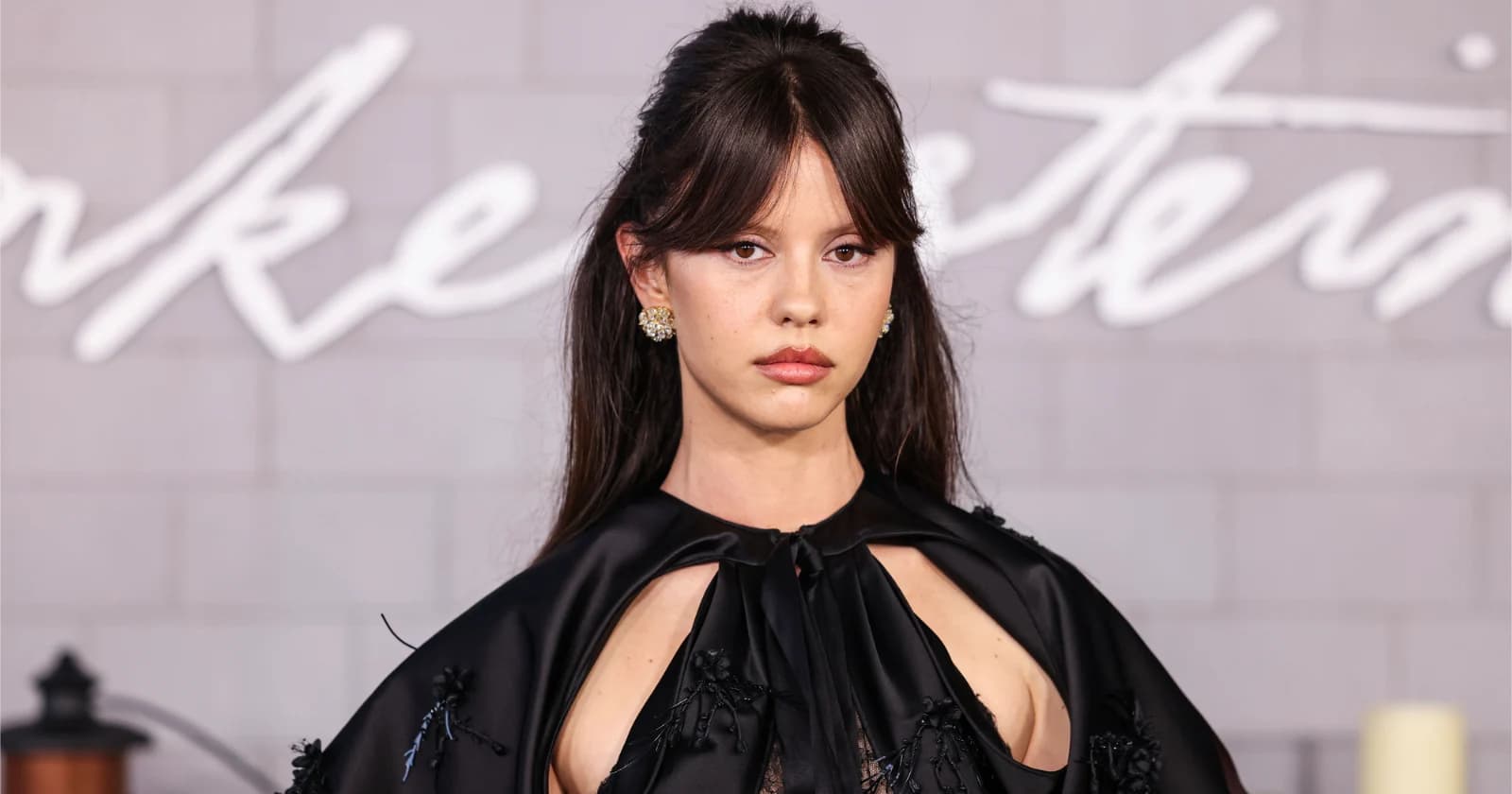
Actress Mia Goth Slams Instagram for Spreading AI Image of Her

Actress Mia Goth has spoken out against Instagram following the viral spread of an AI-generated image that falsely depicted her wearing a t-shirt bearing the phrase "MY EX IS MY BIGGEST FAN." The image gained significant traction on the platform in the context of her ongoing divorce from actor Shia LaBeouf, with many users apparently unaware - or unconcerned - that it was not a real photograph.

The incident highlights a growing problem for public figures: AI image generation tools have made it increasingly easy to produce convincing, contextually targeted fabrications. When those fabrications intersect with real, ongoing personal events in a subject's life, they can spread rapidly, as audiences are primed to find them plausible or amusing. In this case, the timing with the divorce filing gave the image a narrative hook that likely fueled its reach.

Instagram, like other major social platforms, has faced sustained criticism over its policies and enforcement around AI-generated or manipulated media. While Meta has introduced some labeling requirements for AI content, enforcement remains inconsistent, and content that goes viral can reach millions before any moderation action is taken. Goth's complaint points to a gap between stated platform policy and real-world outcomes - a gap that is widening as generative image tools become more accessible and outputs more photorealistic.

The case adds to a broader conversation about the responsibilities platforms bear when synthetic media is used to put words, sentiments, or imagery onto real individuals without their consent. Unlike defamatory text, a convincing AI image carries an immediacy and shareability that can make corrections and context difficult to circulate at comparable scale. For celebrities already navigating public scrutiny during personal hardship, that asymmetry can translate into real reputational and emotional harm.

Read at PetaPixel →
Share:X

Enjoy this story? Get the next one in your inbox.

Twice a week: the most important stories in generative image and video AI, distilled into a 2-minute read.

Free. Unsubscribe any time. No spam, ever.

Your next read

‘Grandmaslop’ is Bizarre AI Imagery of Kids Made by Baby Boomers
Image

‘Grandmaslop’ is Bizarre AI Imagery of Kids Made by Baby Boomers

A growing online trend dubbed "grandmaslop" refers to the uncanny, often unsettling AI-generated images of children and family members that older adults share on social media. Younger relatives have taken notice - and many find the results more disturbing than heartwarming. The phenomenon sheds light on how generative image tools are being adopted by demographics with little context for their quirks and limitations.

AI Remade Adobe, Sony’s New Mics, and APS-C Got a Lot of Love | The PetaPixel Podcast
Image

AI Remade Adobe, Sony’s New Mics, and APS-C Got a Lot of Love | The PetaPixel Podcast

The PetaPixel Podcast team - Chris, Jordan, Sarah, and the host - gather to break down the week's biggest stories in photography and imaging. Leading the discussion is Adobe Creative Cloud's apparent AI-driven overhaul, alongside Sony's latest microphone releases and a wave of APS-C camera news. It's a broad, news-heavy episode covering several corners of the imaging world.

OpenAI, Google pushing new AI models easily tricked into making nudes, researchers say
Image

OpenAI, Google pushing new AI models easily tricked into making nudes, researchers say

Researchers have found that recent image generation models from OpenAI and Google can be manipulated into producing explicit imagery despite built-in content safeguards. The findings raise fresh concerns about the durability of safety measures in widely deployed generative AI systems. Both companies have been expanding access to their latest models amid growing scrutiny over AI-generated non-consensual content.