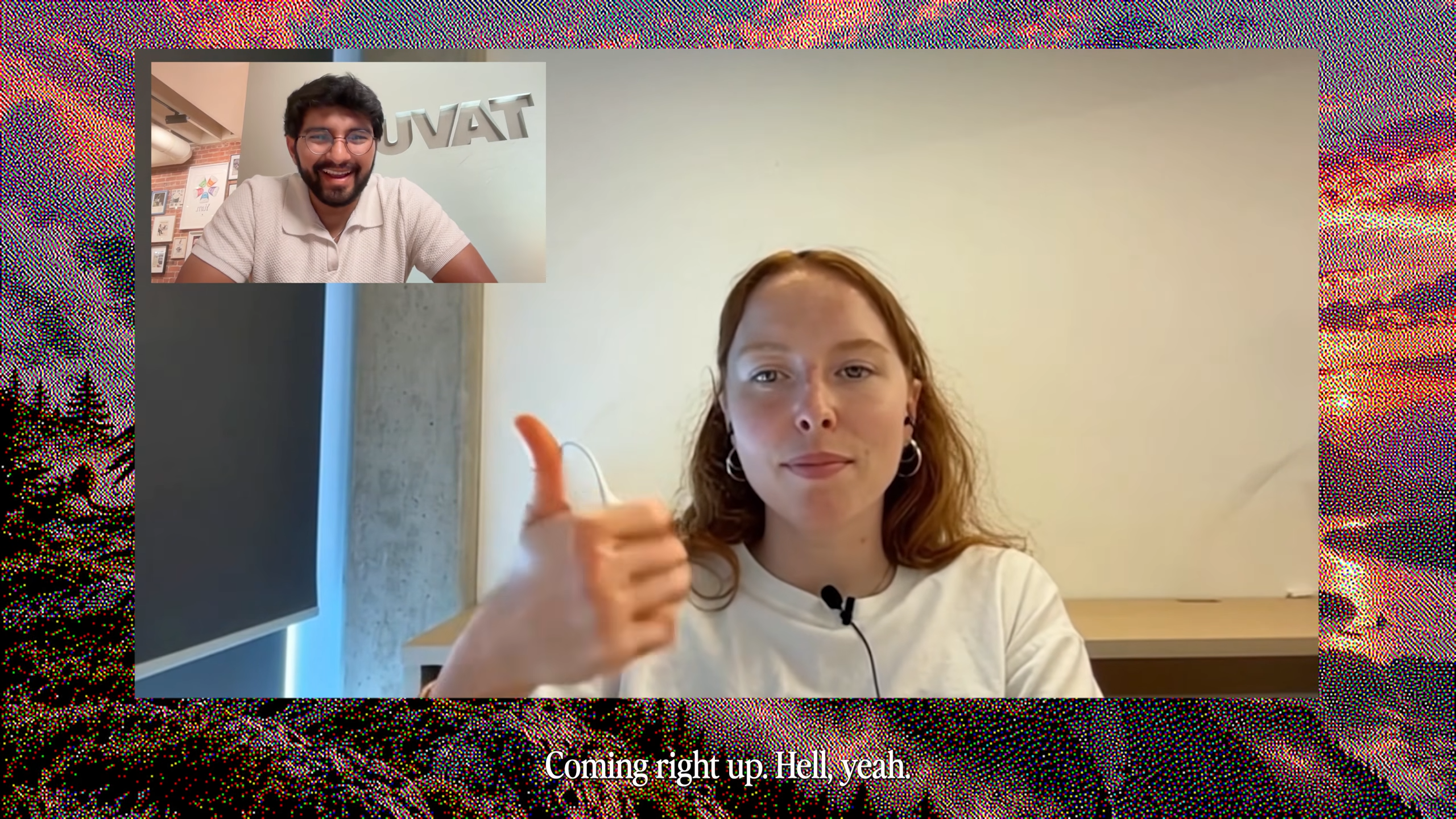
Exclusive: Early outputs of Muse Video model from Meta
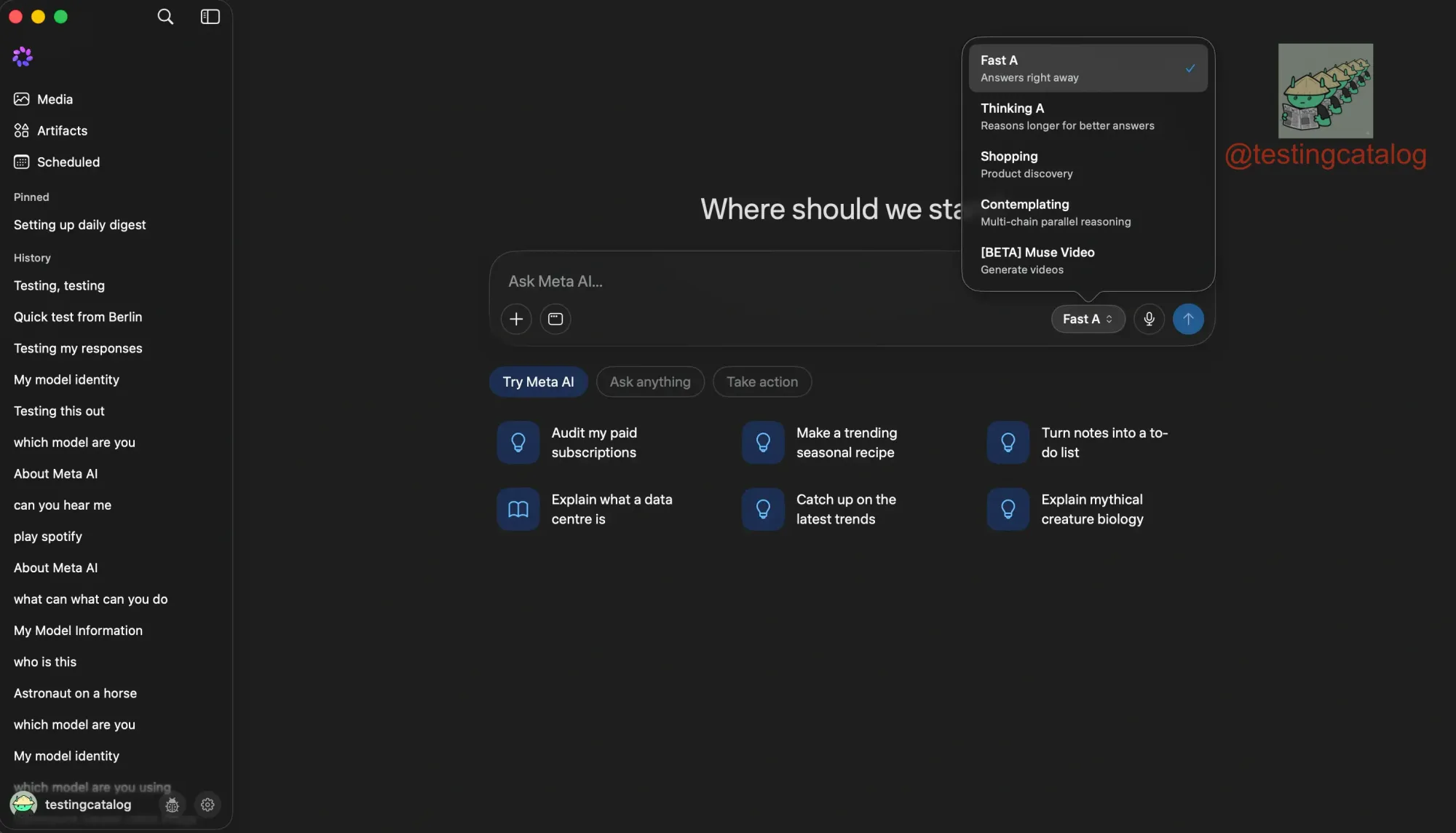
Meta's Muse Video model is now in closed beta, with early access being granted to a small group of testers. Outputs shared via Testing Catalog provide one of the first real-world looks at the model's performance, covering both visual quality and audio behavior in generated clips.
The model generates videos of around 10 seconds in length and notably includes native audio - meaning sound is produced as part of the generation process rather than added as a separate post-processing step. This approach aligns with a broader industry trend toward unified audio-visual generation, which can improve the coherence between what is seen and what is heard in a clip.
Early testers have noted strong detail retention and temporal consistency, two areas where many video generation models have historically struggled. Temporal consistency refers to how stable and coherent subjects, textures, and motion appear across the duration of a clip - a persistent challenge given the complexity of predicting plausible frame-to-frame changes. Strong performance in this area would place Muse Video among the more capable models currently in testing.
Meta has been developing its generative media capabilities across several fronts, and Muse Video appears to be a more direct entry into the competitive video generation space occupied by models from companies like OpenAI, Google, and Runway. No public release timeline has been announced, and availability remains limited to closed beta participants for now. Further output samples and benchmarks will likely offer a clearer picture of where the model sits relative to its peers.