gen‑ai.news
← Back
Image

Google Search now generates AI images when it can't find what you're looking for on the web
Google Search now generates AI images when it can't find what you're looking for on the web

Google is expanding the capabilities of AI Overviews in Search by adding on-demand image generation. When a user's query returns no suitable image from the web, Search will now synthesize one using a model called Nano Banana 2 Lite, drawing directly on the text of the search query to produce a relevant visual. The rollout is expected to begin within the coming weeks.

The move reflects a broader pattern in how AI Overviews have evolved since their introduction - shifting from a tool that summarizes existing web content to one that can generate original content when gaps arise. Adding image generation to that workflow means Search is no longer purely a retrieval system for this type of query; it becomes a generative layer that fills in where the indexed web falls short.

Nano Banana 2 Lite appears to be a lighter, more inference-efficient variant within Google's image generation model family, likely chosen for the latency and cost demands of integrating generation into a live search product at scale. Details on the model's architecture or training data have not been widely disclosed, but the "Lite" designation suggests it is optimized for speed rather than maximum output quality.

The practical implications are notable for both users and the broader web ecosystem. For users, it means visual answers become available even for niche, hypothetical, or highly specific queries that no photographer or illustrator has addressed. For the web, it raises questions about what role image hosting and stock photography sites play when a major search engine can synthesize on demand rather than link outward. How Google handles attribution, watermarking, or disclosure that an image is AI-generated will be worth watching as the feature reaches users.

Enjoy this story? Get the next one in your inbox.

Twice a week: the most important stories in generative image and video AI, distilled into a 2-minute read.

Free. Unsubscribe any time. No spam, ever.

Your next read

Image

inclusionAI releases Ming-Image-0.2-Design open weights on Hugging Face

inclusionAI has released Ming-Image-0.2-Design as open weights on Hugging Face under an MIT license, positioning it as an upgrade to its previous design-focused text-to-image model. The release targets practical design workflows, including e-commerce imagery, UI drafts, and spatial renderings. Early evaluation results from late November place Ming at the top of the open-weight text-to-image leaderboard.

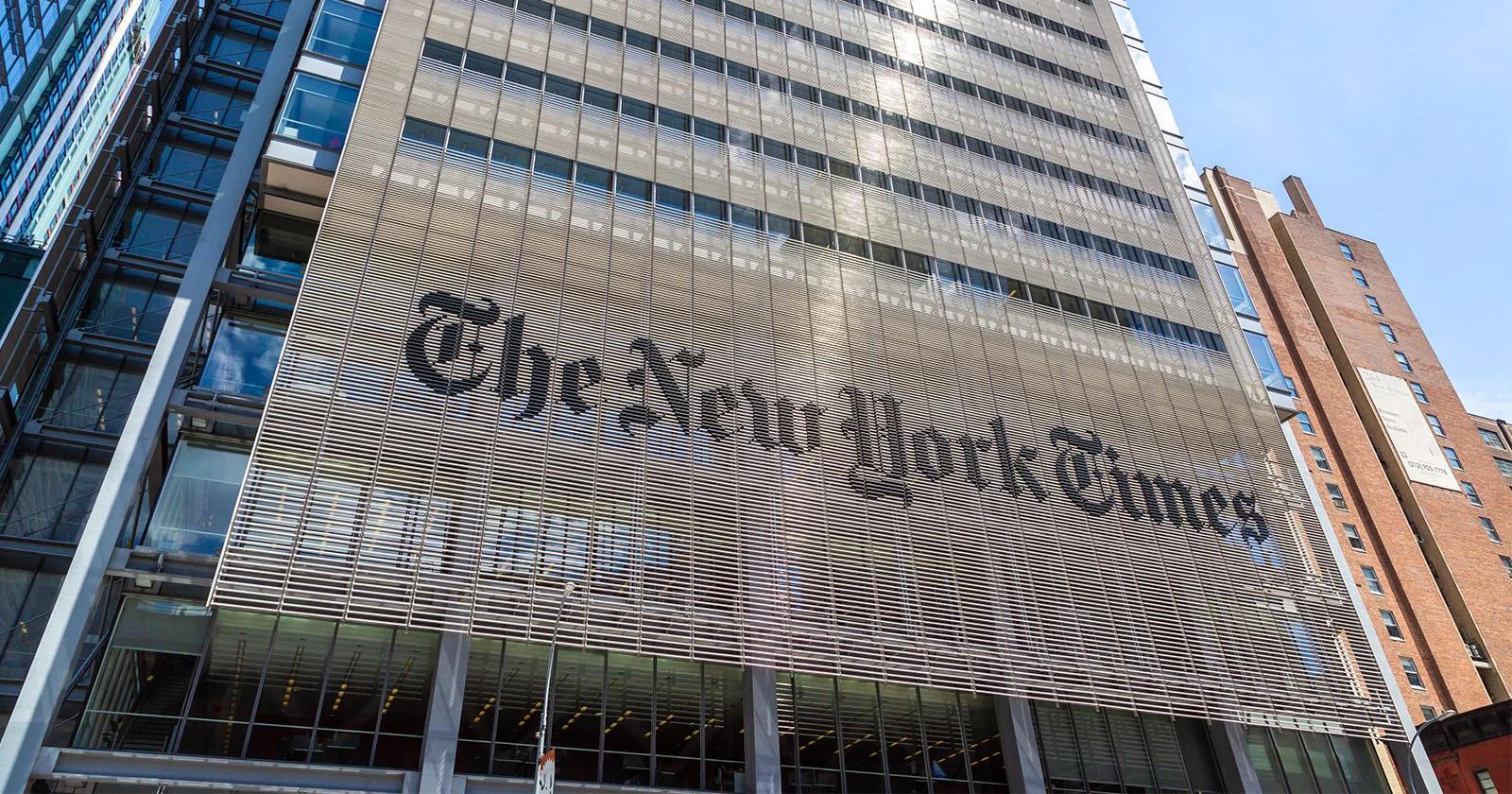
New York Times Warns Photographers Away from Photoshop 2027 Over AI Metadata
Image

New York Times Warns Photographers Away from Photoshop 2027 Over AI Metadata

The New York Times has told freelance photographers not to install the latest version of Adobe Photoshop because its new AI features can silently tag photos as AI-generated in their metadata. The directive, sent by the paper's photography leadership, reflects growing concern in photojournalism about AI tools that alter images in ways that may not be visible to editors reviewing the work.

New York Times Prohibits Photographers From Using Photoshop 2027
Image

New York Times Prohibits Photographers From Using Photoshop 2027

Adobe's Photoshop 2027 release brought a significant expansion of AI-powered editing tools to the application, prompting at least one major news organization to draw a firm line. The New York Times has announced it will prohibit its photographers from using Photoshop 2027, citing concerns over the integrity of photojournalism in an era of generative AI. The move reflects a growing tension between professional image editing tools and the editorial standards of news organizations.