Meta's new Muse Image model accepts Instagram accounts as a prompt
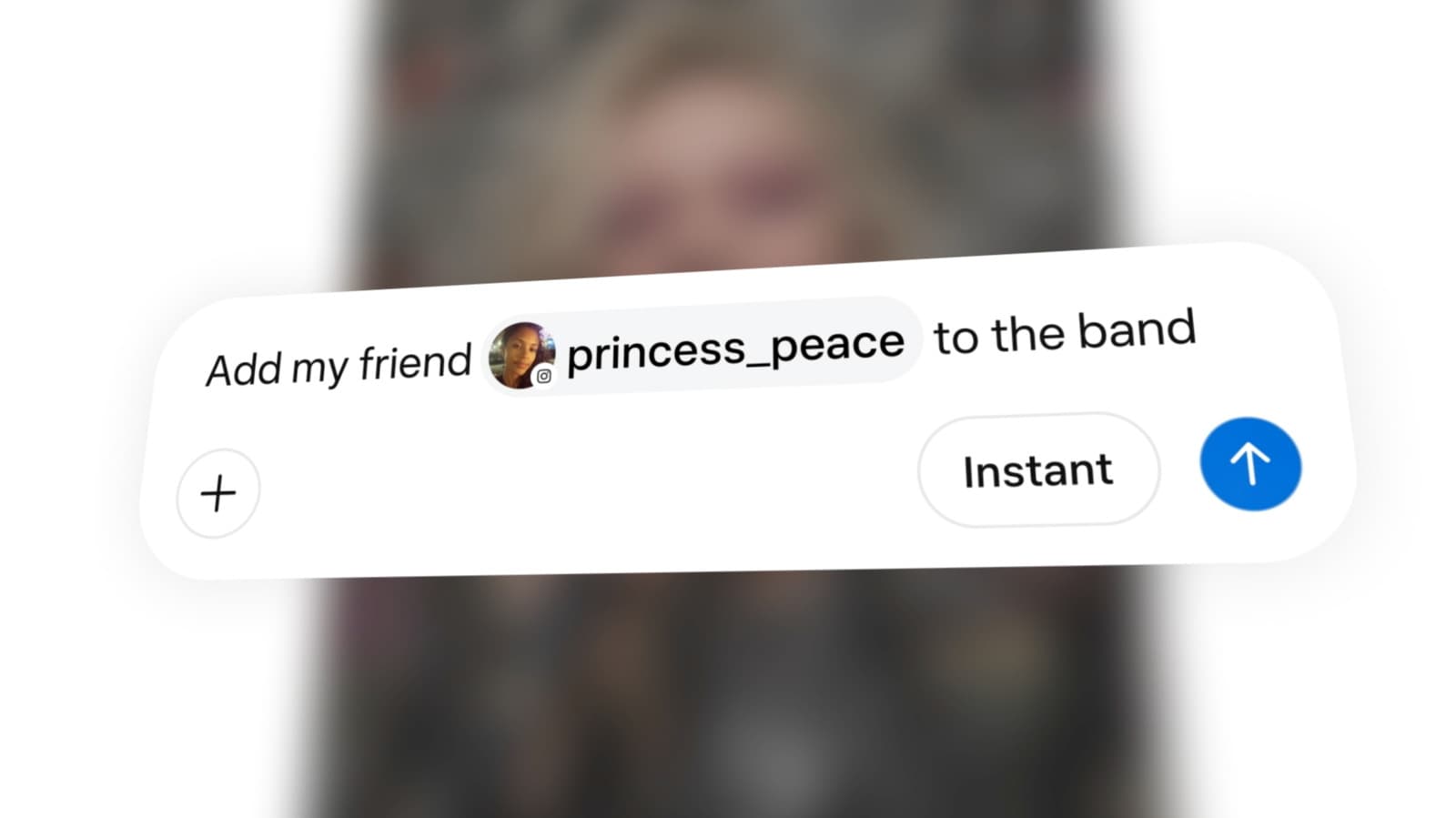
Meta has unveiled a new generative image model called Muse, which introduces an unusual prompting mechanism - the ability to use an Instagram account as direct input. Rather than relying solely on text descriptions, users can point the model to an Instagram profile, allowing Muse to draw on the visual content and aesthetic patterns found there to guide image generation. It is one of the more concrete examples of a social platform leveraging its own user-generated content ecosystem as a functional part of an AI product.
Beyond the Instagram prompting feature, Muse is being deployed across two other Meta surfaces. On Instagram, it is powering new generative effects within Stories, giving users AI-assisted creative options in a format that already sees heavy daily engagement. In WhatsApp, it is being used to expand the app's existing image generation capabilities, bringing the model to a messaging context where visual generation has been gradually growing in presence.
The use of Instagram accounts as prompts raises questions worth noting. When a model is conditioned on a specific account's post history, it is effectively learning and reproducing stylistic signals from that user's real uploaded content - their color choices, subject matter, composition preferences, and so on. This could offer a more personalized generation experience, but it also invites scrutiny around consent, data use, and how closely outputs might mirror the work of other creators whose public accounts could theoretically be used as prompts.
Meta has been steadily building out its generative AI presence across its family of apps, and Muse appears to be a step toward tighter integration between its social data assets and its AI tooling. Whether the Instagram-as-prompt feature becomes a widely used creative tool or a more niche capability will likely depend on how much creative control users feel it actually gives them - and on how Meta addresses the broader questions its design naturally raises.