Meta’s new Muse Image model can pull other Instagram users into AI photos

Meta has launched Muse Image, the first generative image model to come out of its Superintelligence Labs division. The model is currently live across the Meta AI app, Instagram, and WhatsApp, with a rollout to Facebook and Messenger described as forthcoming. It marks a shift in Meta's AI model strategy, as the Muse family of models is positioned to replace the company's existing Llama lineup in consumer-facing products.
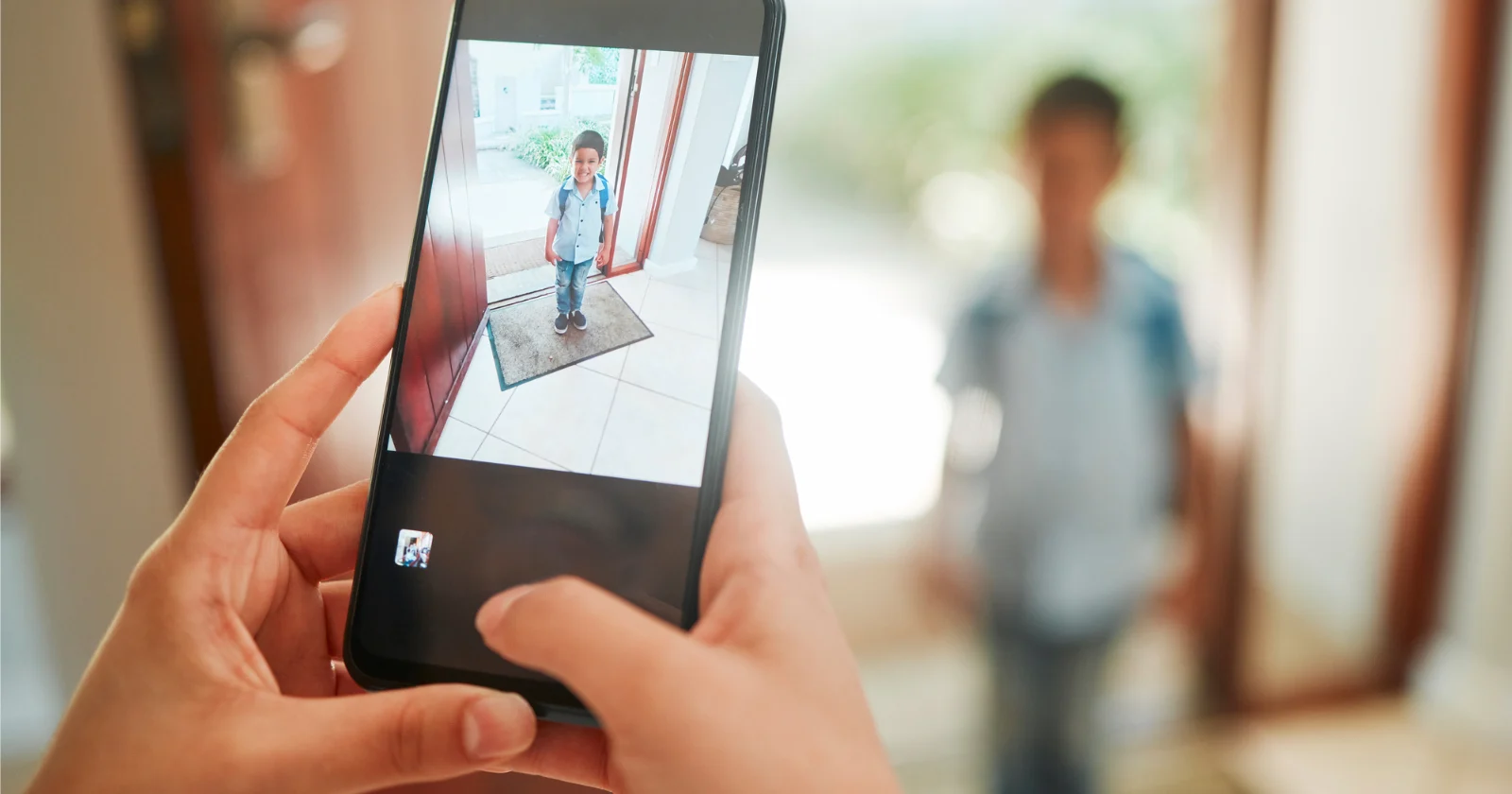
One of the more discussed features is the ability to pull other Instagram users into AI-generated images - meaning a person's likeness or account could appear in a generated photo, presumably with some form of tag or reference mechanism. The specifics of how consent is handled, and what guardrails are in place, will likely draw scrutiny from privacy advocates and platform regulators alike, as this type of feature sits at a difficult intersection of creative tools and potential misuse.
On the technical side, Alexandr Wang - the Scale AI founder Meta hired to lead Superintelligence Labs - describes Muse Image as "agentic." Rather than taking a prompt and immediately producing an image, the model works in tandem with Muse Spark, Meta's in-house large language model, to reason about the prompt, search the web for context, and plan its output before generating anything. This pipeline approach is increasingly common in generative AI systems and is intended to improve coherence and prompt fidelity in complex requests.
The Muse family represents Meta's attempt to consolidate its AI efforts under a unified model brand, moving away from the research-oriented Llama framing toward something designed more explicitly for product integration. How Muse Image performs relative to competing image generation tools from OpenAI, Google, and others remains to be seen, but its deep embedding across Meta's platforms gives it an unusually broad distribution from day one.