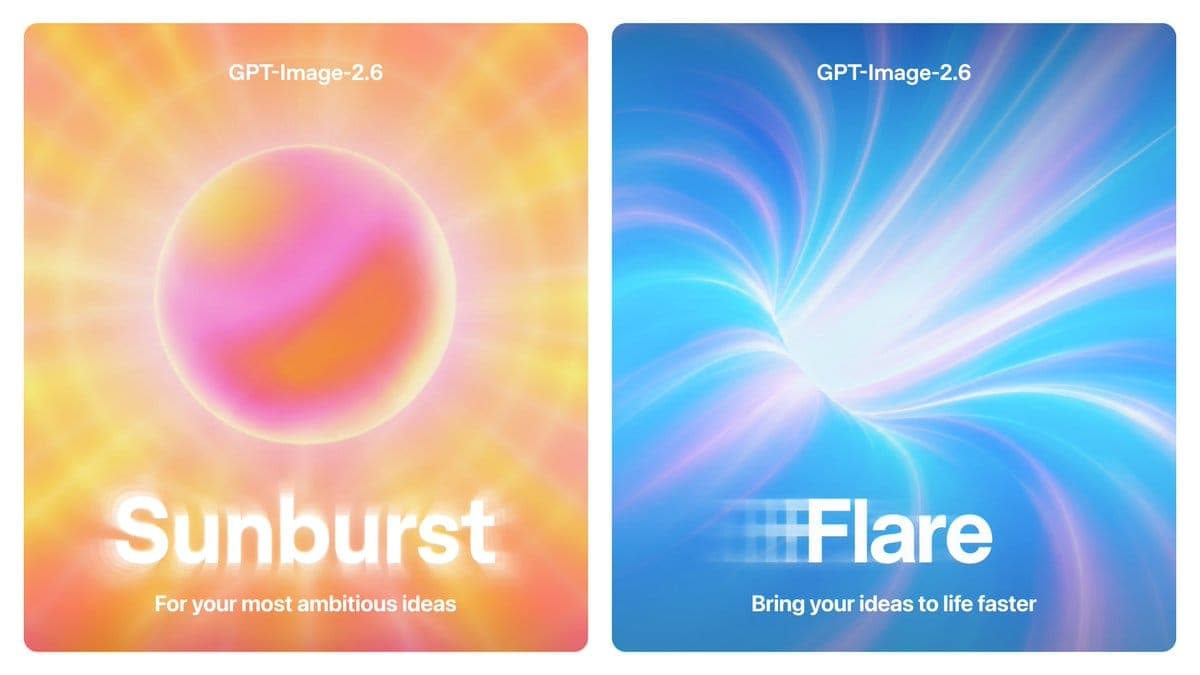
OpenAI Launches GPT-Image-2.6 Flare and Sunburst: Adds GIFs, SVG Export and 6-Second API Generation
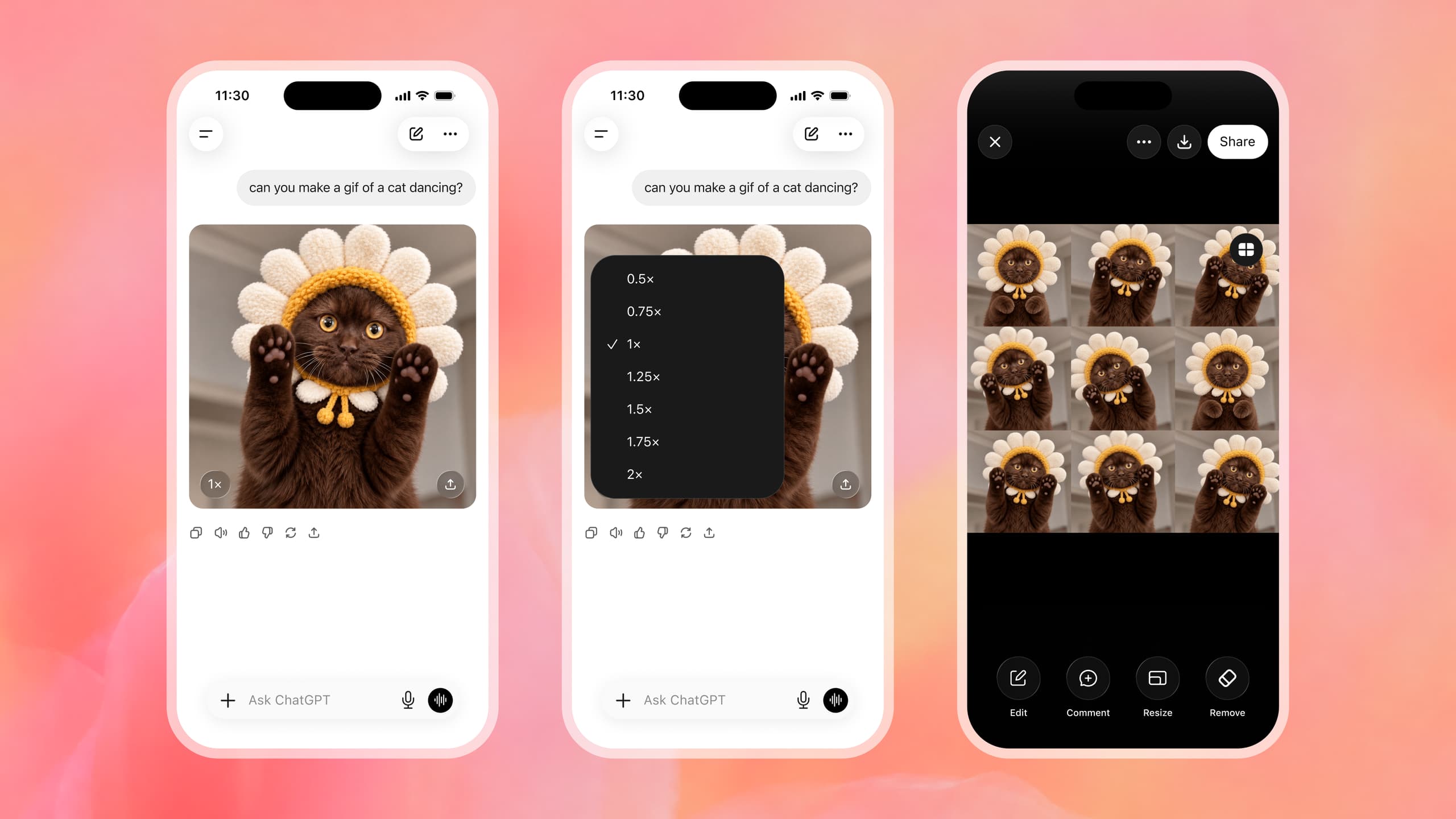
OpenAI has expanded its image generation offerings with the release of GPT-Image-2.6 Flare and GPT-Image-2.6 Sunburst, two new API-accessible models that arrive alongside a broader consumer update called Images 2.6. The release adds several output formats and controls that have been frequently requested by developers and designers working with the existing GPT-Image API.
The headline difference between the two new models is speed versus fidelity. Flare is positioned as the faster option, capable of generating images in as little as six seconds - a meaningful reduction in latency for applications that need near-real-time image output. Sunburst, by contrast, appears oriented toward higher-complexity or more detail-intensive generation tasks, following the pattern OpenAI has used in other model tiers to give developers a clear tradeoff to reason about.
Both models gain support for GIF output, which extends the pipeline into simple animated imagery without requiring a separate video or animation model. SVG export is another notable addition, as vector output has historically been a weak point for diffusion-based and autoregressive image generators - having a supported export path to SVG makes the models more practical for interface design, iconography, and print workflows. The update also introduces markup-based editing, which lets users or developers specify changes to an existing image through structured instructions rather than free-form prompts alone. A new complexity parameter gives callers more direct control over how detailed or intricate the output should be, which can help manage both quality expectations and generation time.
For developers already using the GPT-Image API, Flare and Sunburst slot in as named model variants, meaning integration should be straightforward for those looking to test the new capabilities. The combination of faster generation, vector export, and GIF support suggests OpenAI is broadening the practical range of the API beyond static raster images, addressing use cases in product design, web development, and lightweight animation that the previous generation handled less cleanly.