OpenAI's GPT-Image-2 can now generate images without a background
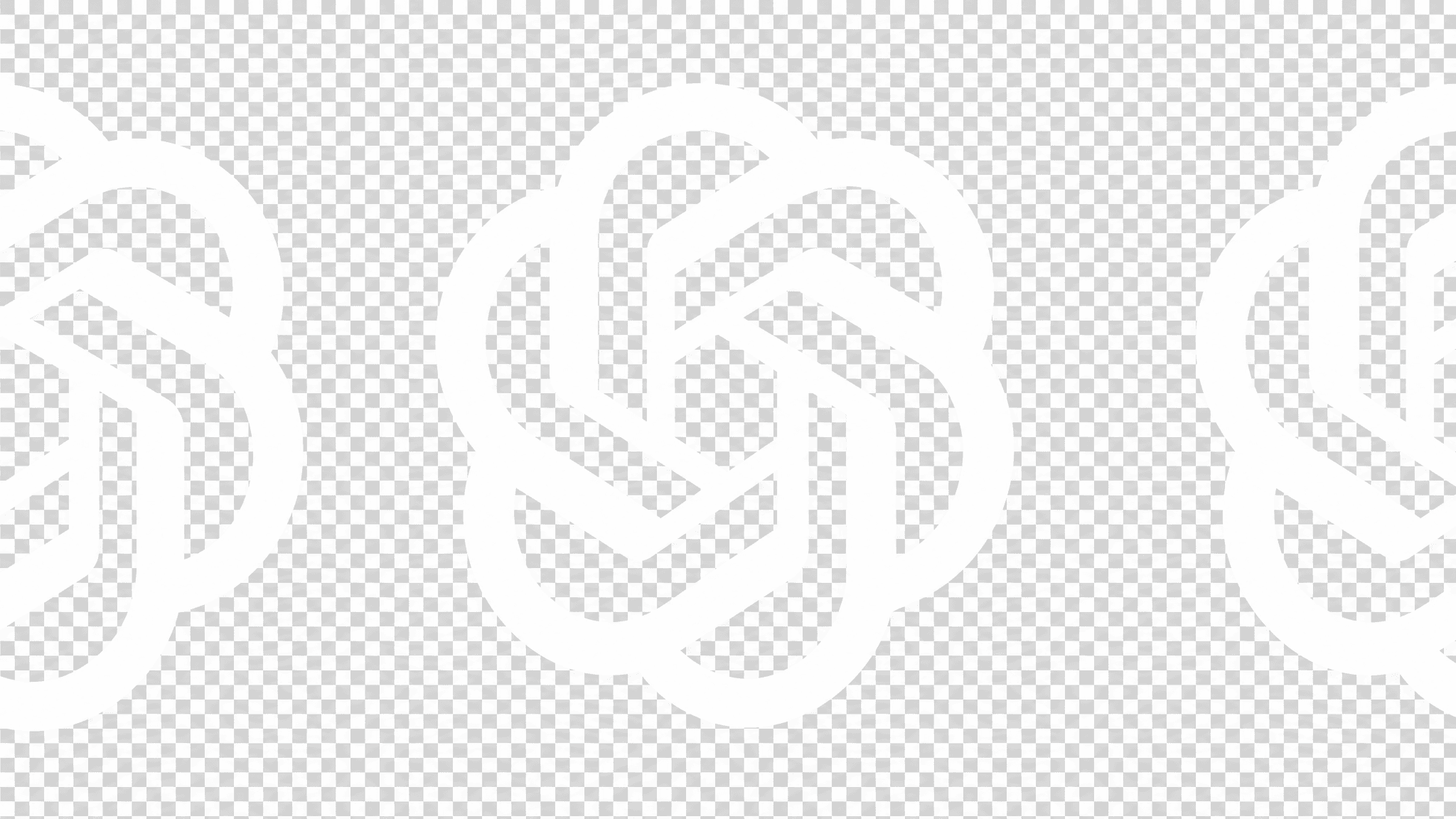
OpenAI is rolling out transparent background support for GPT-Image-2, its latest image generation model, currently accessible as a preview feature through the API. The capability allows developers to request images with a native alpha channel - meaning the background transparency is produced as part of the generation itself, not applied afterward through a separate processing step.
This distinction matters in practice. Conventional background removal tools work by analyzing a finished image and attempting to separate foreground subjects from their surroundings, a process that can struggle with fine details like hair, fur, or complex edges. By contrast, building transparency into the generation pipeline means the model can account for subject boundaries from the start, which OpenAI says produces cleaner results than post-processing approaches.
From an integration standpoint, the feature is straightforward to use - developers pass a single parameter in their API request to enable transparent output. This makes it relatively easy to slot into existing workflows for product photography, UI asset creation, graphic design pipelines, or any use case where isolated subjects are needed without manual editing. Output is delivered as a PNG with the alpha channel included.
GPT-Image-2 is OpenAI's most capable image generation model to date, the same model underlying the image features in ChatGPT that drew widespread attention earlier this year. Offering native transparency support through the API continues OpenAI's push to make the model more useful for professional and developer use cases, where clean, compositable assets are often a baseline requirement rather than a nice-to-have. The feature is currently in alpha, so broader availability and any potential pricing implications have yet to be confirmed.