Photographer Exposes AI-Generated Images in Another Photographer’s Portfolio
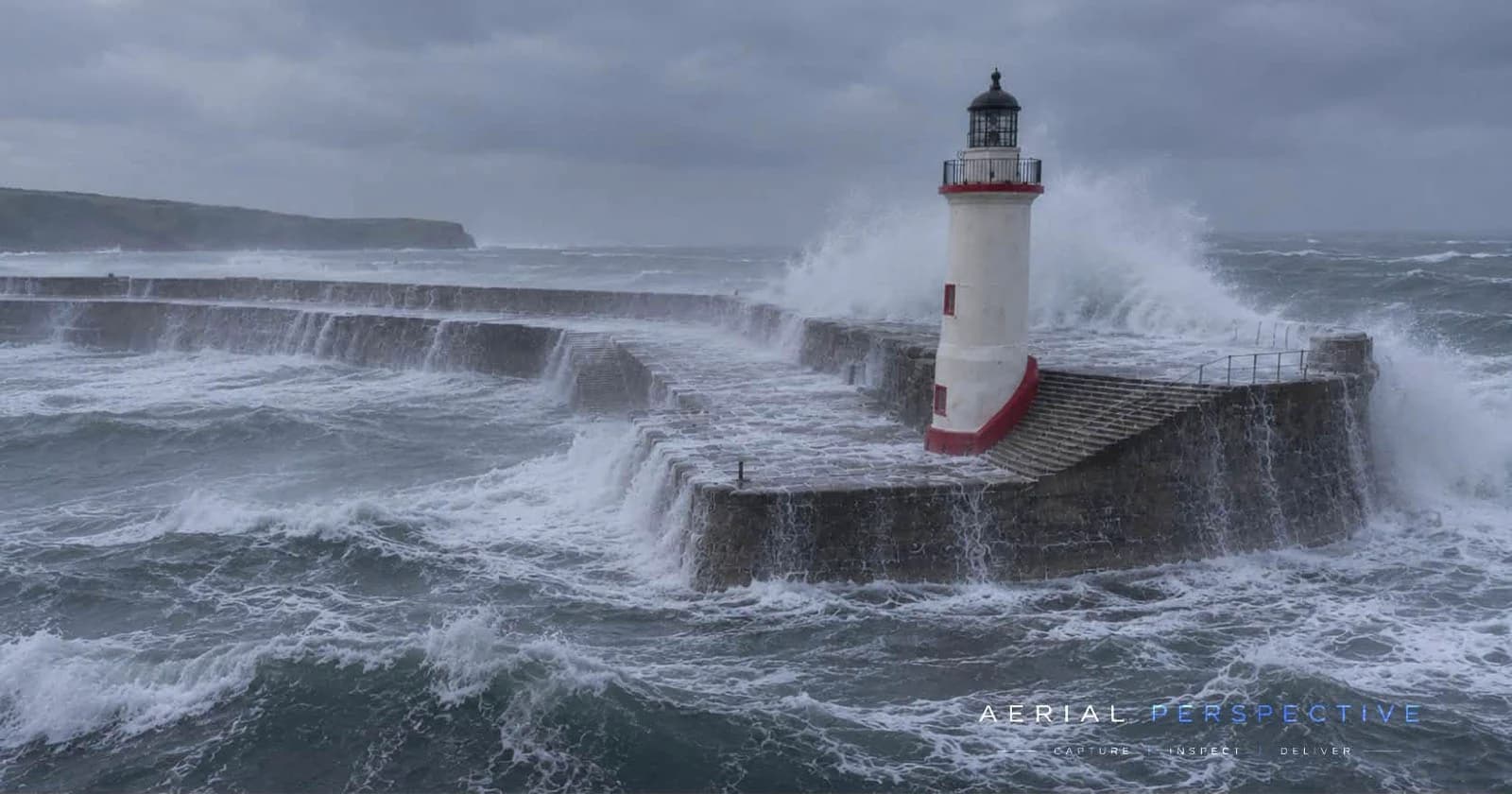
A photographer has publicly accused a peer of including AI-generated images in a portfolio presented as authentic photography, with the alleged fakes depicting Whitehaven - a scenic harbor town on the Cumbrian coast of northwest England. The town, whose harbor dates back to 1517 and carries a notable history including a raid by American naval commander John Paul Jones during the Revolutionary War, is a popular destination for landscape and documentary photographers, making it a recognizable subject for those familiar with the area.
The accusation reflects a broader and increasingly common problem facing the photography community: as generative image tools improve, synthetic images can closely mimic the look of real photographs, including realistic lighting, convincing environmental detail, and plausible compositions. For well-documented locations like Whitehaven, AI models trained on large datasets of existing imagery can produce results that appear credible to a casual viewer, and sometimes even to experienced photographers.
What sets cases like this apart from general AI art discourse is the professional context. A portfolio is typically understood to represent a photographer's own work - images they were physically present to capture. Presenting AI-generated imagery within that context, without disclosure, is seen by many in the industry as a form of misrepresentation, regardless of the artistic quality of the images themselves. Photography competitions, editorial clients, and stock agencies have each been grappling with how to detect and respond to this kind of submission.
The incident adds to a string of similar controversies in recent years, as photographers and editors have begun scrutinizing portfolios and contest entries more carefully for telltale signs of AI generation - unusual textures, inconsistent reflections, or details that don't hold up under close inspection. While no universal verification standard currently exists, community-level accountability, where photographers flag suspicious work publicly, has emerged as one of the more practical near-term checks on the problem. How the broader industry responds, through clearer disclosure requirements or more robust detection tools, remains an open question.