gen‑ai.news
← All stories

June 24, 2026

Google DeepMind bets $75M on AI filmmaking with A24

Video

Google DeepMind bets $75M on AI’s future in Hollywood with A24 deal

Google DeepMind and independent studio A24 have announced a $75 million partnership aimed at developing AI tools specifically for filmmaking. The collaboration signals a notable shift toward integrating generative AI directly into professional creative production pipelines. It is one of the larger financial commitments from an AI research lab to a single entertainment partner to date.

Multimodal

Adobe’s AI Assistant Wants to Give Photographers More Time for Actual Creative Tasks

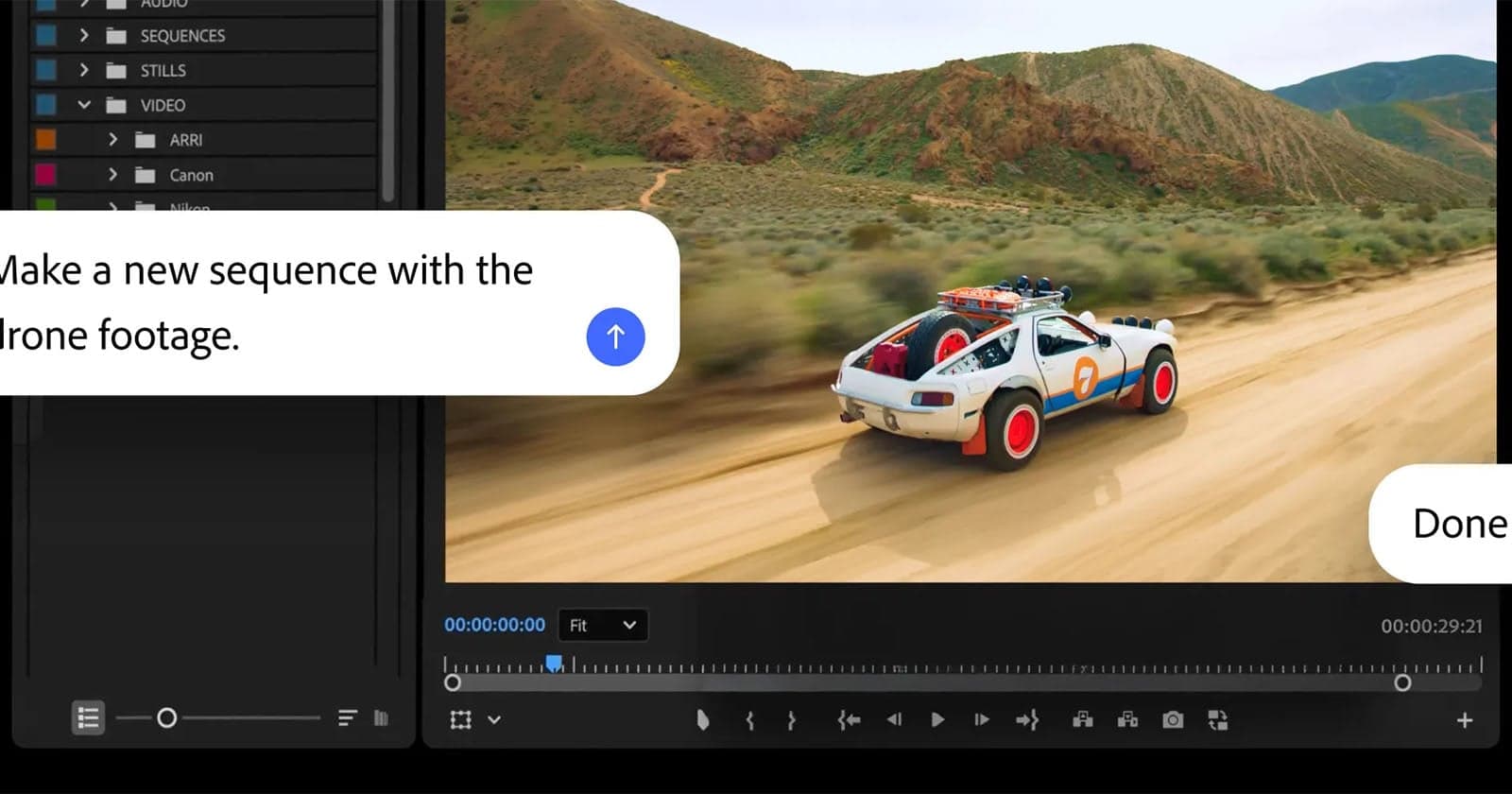
Adobe has rolled out its Firefly-powered AI Assistant across Creative Cloud, bringing agentic AI capabilities to Photoshop, Premiere, Illustrator, InDesign, and Frame.io. Users can now issue natural-language instructions to carry out editing tasks across photos, videos, and graphics. The goal is to reduce time spent on repetitive workflows so photographers and editors can focus on creative decisions.

Image

Models Accuse Fashion Brand of Using AI to Recreate Them

Several models are accusing fashion retailer Rainbow Shops of using AI to generate digital lookalikes of them, reportedly around the same time their bookings with the brand came to a halt. The allegations raise pointed questions about consent, likeness rights, and the growing use of generative AI in commercial fashion photography. The case is drawing attention as one of the more concrete examples of AI image tools intersecting with labor disputes in the modeling industry.

Multimodal

Figma now has AI motion graphics and shader tools

Figma used its annual Config conference to announce a set of updates aimed at tightening the loop between design and development. The additions include AI-generated motion graphics - where animations and transitions are created from text descriptions - alongside new shader tools and a reworked canvas built with full-stack workflows in mind. The changes reflect a broader push to reduce the context-switching that typically slows down creative and engineering teams.