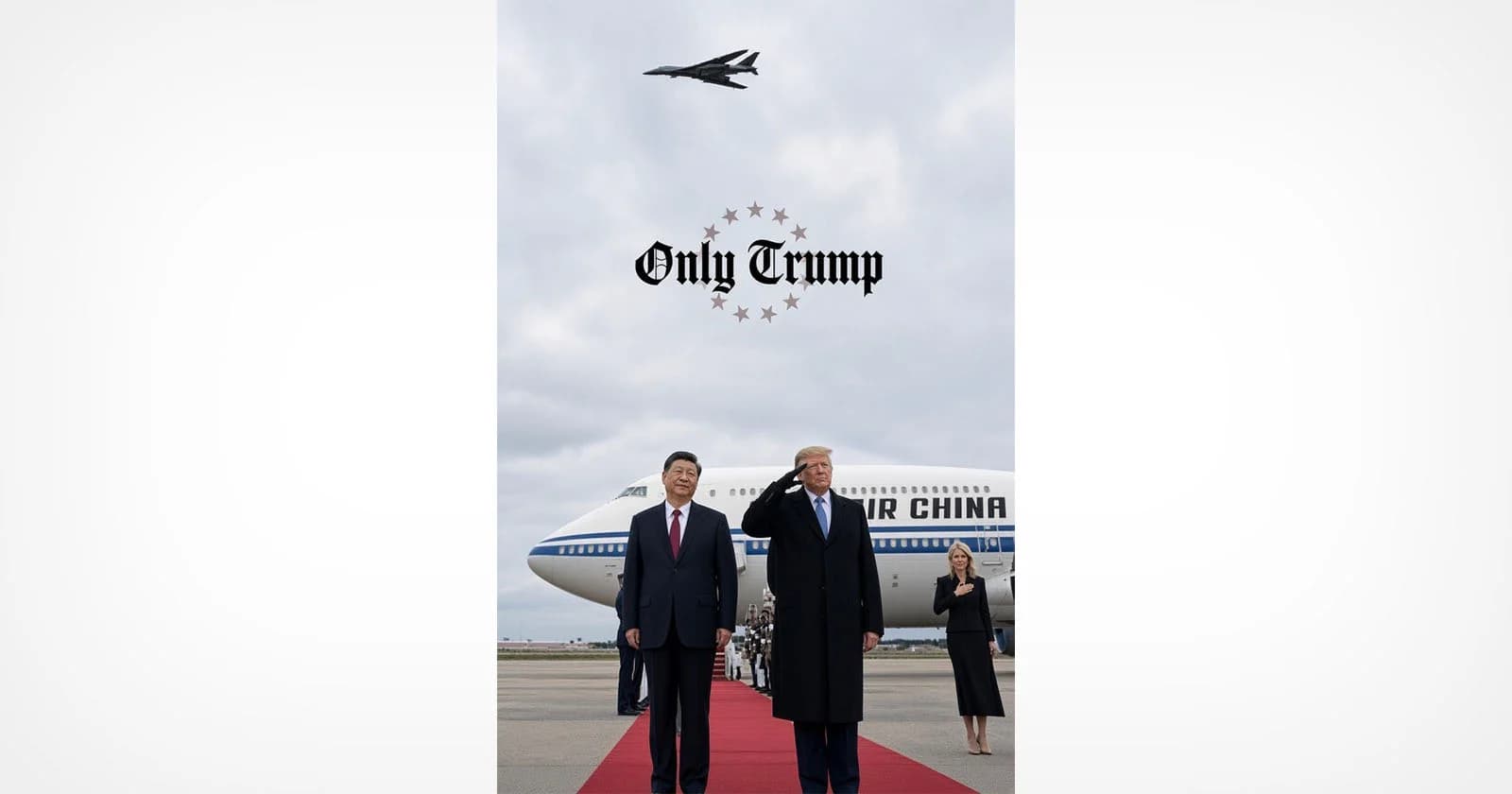
AI ‘content creators’ are getting harder to spot

When virtual influencers first appeared on social media, their artificiality was part of the appeal. Figures like Lil Miquela, Imma, and Shudu Gram were clearly digital constructions - stylized, polished, and openly fictional in their aesthetics. Audiences and brands treated them as novelties, and their limited realism meant they occupied a separate, easily identifiable category from human creators.
That separation has eroded. Advances in generative image and video tools have made it possible to produce AI personas that are far more photorealistic and contextually convincing than earlier examples. Agencies are now building and monetizing these personas at scale, with some - like Aitana Lopez, created by the Spanish agency The Clueless - accumulating real brand partnerships and follower counts without any public figure behind them.
The practical effect is a shift in how much work audiences have to do to verify what they are looking at. Platform disclosure norms have not kept pace with the technology. Some creators voluntarily label AI-generated content, but there is no consistent standard across major networks, and the incentive to disclose is often outweighed by the commercial benefit of ambiguity. Sponsored posts from an AI persona can command similar rates to those from a human creator, provided followers believe they are engaging with a real person.
The broader concern is less about any single fake account and more about what happens to social media as a trust environment when realistic AI personas become cheap and common to produce. Influencer marketing depends on the perception of authentic personal endorsement - the idea that a real individual with real preferences is recommending something. As that assumption becomes harder to verify, both audiences and advertisers face a more complicated information landscape, and platforms will likely face growing pressure to build detection or disclosure mechanisms into their infrastructure.