
‘The Odyssey’s’ AI-Generated Competitor Is Bereft of Humanity
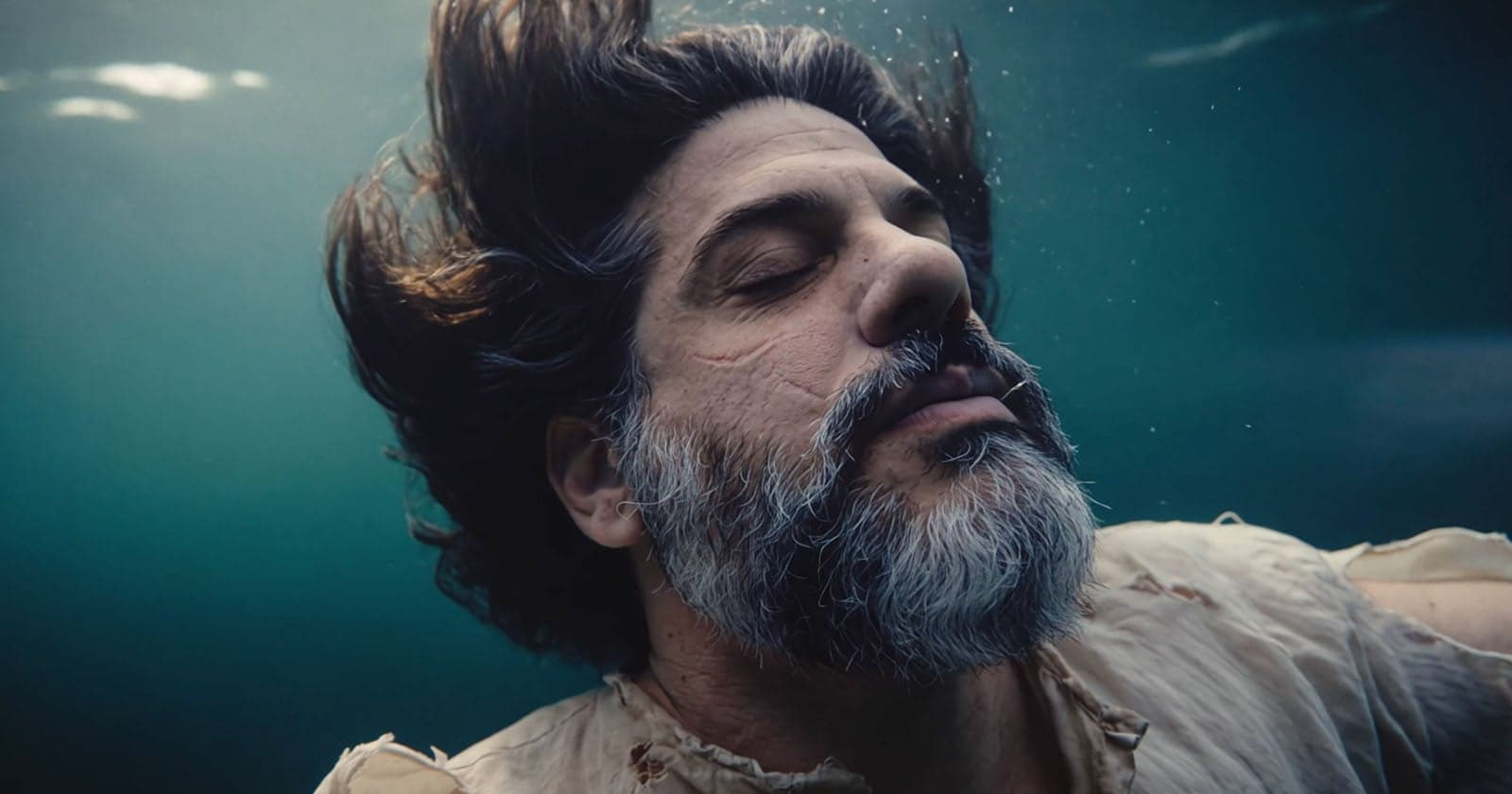
Christopher Nolan's The Odyssey has been one of the more closely watched productions in recent memory - shot on custom IMAX cameras with a cast drawing considerable attention. Its arrival in the cultural conversation now has an unexpected counterpart: a fully AI-generated adaptation of the same Homeric source material, also positioning itself for a release in the near future. The coincidence of timing has sparked a fresh round of debate about what generative video tools are actually capable of when asked to carry an entire narrative film.
The PetaPixel piece frames this less as a technological curiosity and more as a provocation worth taking seriously. The author's core concern is that the AI-generated film, whatever its visual accomplishments, falls short in areas that are difficult to quantify but easy to feel - warmth, intention, the sense that a human being made a choice at every frame. These qualities are not incidental to storytelling; for many viewers and critics, they are the point.
This moment is notable because AI video generation has advanced considerably in the past two years. Tools from companies like Sora, Runway, and Kling have made it genuinely possible to produce feature-length or near-feature-length visual content without a traditional crew, cast, or camera. The Homeric epics, with their well-documented public domain status and mythological visual language, are a natural testing ground for ambitious generative projects. But ambition and execution remain different things.
What the comparison ultimately surfaces is a question the industry has been circling for some time: at what point, if ever, does technical capability become sufficient to substitute for human authorship in a dramatic context? The Odyssey, the Nolan version, is the product of years of craft decisions made by writers, cinematographers, actors, and a director with a specific artistic vision. The AI counterpart was assembled through a fundamentally different process, and audiences and critics appear to notice the difference even when they cannot always articulate exactly why. Whether that gap narrows over time, or whether it reflects something more durable about how humans respond to art made by other humans, is a question this particular cultural moment is helping to clarify.
