Alibaba's open-weight Qwen-Image-2.1 claims to beat closed models in image generation with just 7 billion parameters

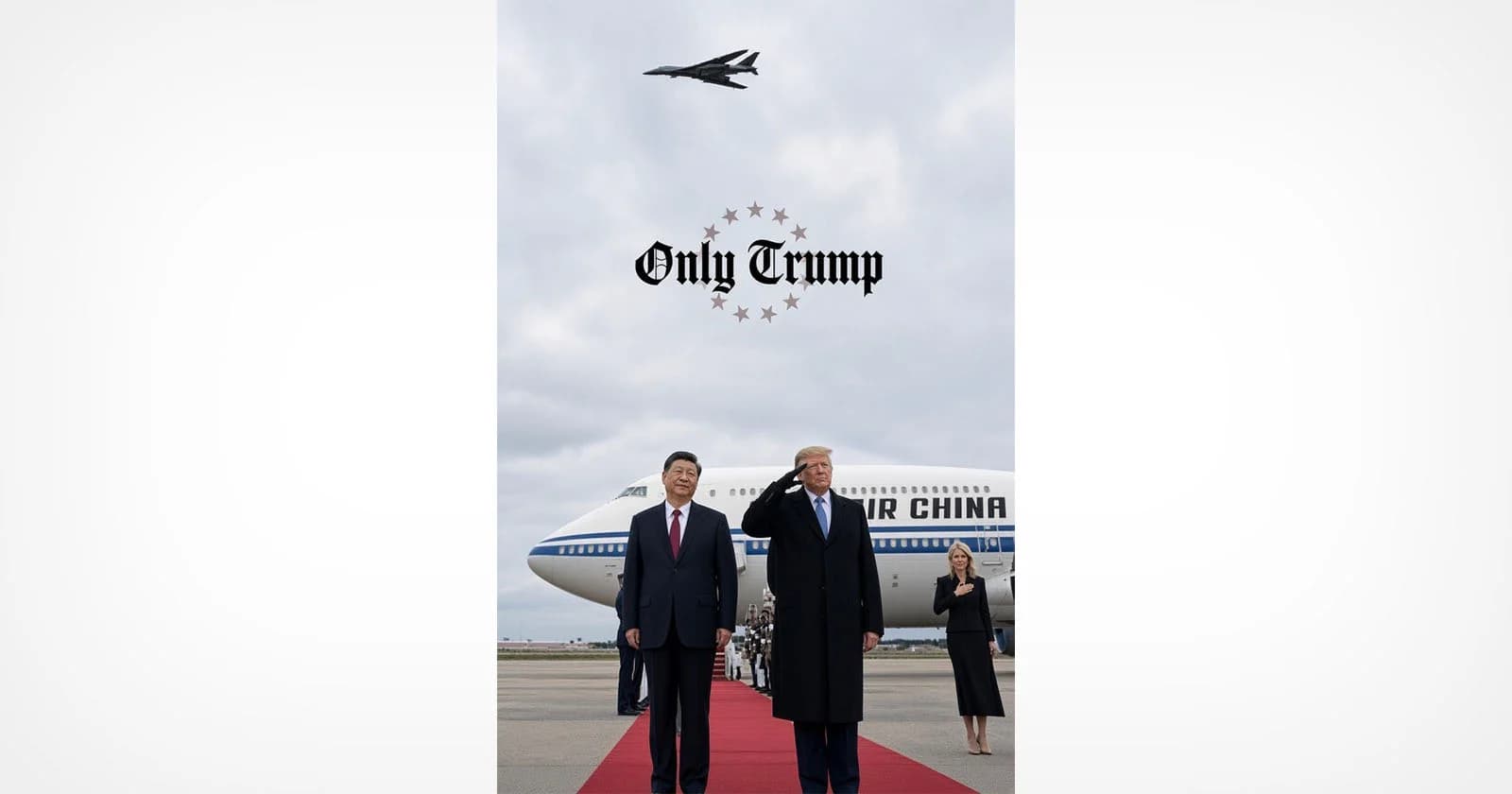
Alibaba's Qwen team has quietly released Qwen-Image-2.1, an open-weight model designed for both image generation and editing. Despite sitting at 7 billion parameters - a relatively modest scale compared to many competing systems - the model reportedly matches or surpasses several closed, proprietary models on standard image generation benchmarks. That combination of accessibility and claimed performance makes it a notable entry in a field where open-weight options have historically lagged behind closed alternatives.
One of the more practical aspects of the release is its hardware footprint. The model is designed to run on powerful consumer GPUs, which broadens access beyond research institutions or companies with dedicated AI infrastructure. This positions it as a genuinely usable tool for individual developers and small teams who want capable image generation without cloud API dependency.
On the feature side, Qwen-Image-2.1 introduces support for image transparency, which is useful for design workflows that require assets with clean backgrounds. It also accepts up to ten reference images simultaneously, giving users more control over style, composition, and subject consistency across generated outputs. These capabilities edge it closer to production-oriented use cases rather than pure experimentation.
The licensing situation is worth noting carefully. The model ships under a research license, meaning commercial use is not permitted by default. Organizations looking to build products on top of Qwen-Image-2.1 will need to obtain a separate Qwen commercial license from Alibaba. This is a common arrangement for open-weight releases from large technology companies, and it means the model is open in a technical sense while still maintaining commercial gatekeeping. Developers should review the terms before integrating the model into any revenue-generating project.