Apparently ‘Photography Is All Fake Anyway’
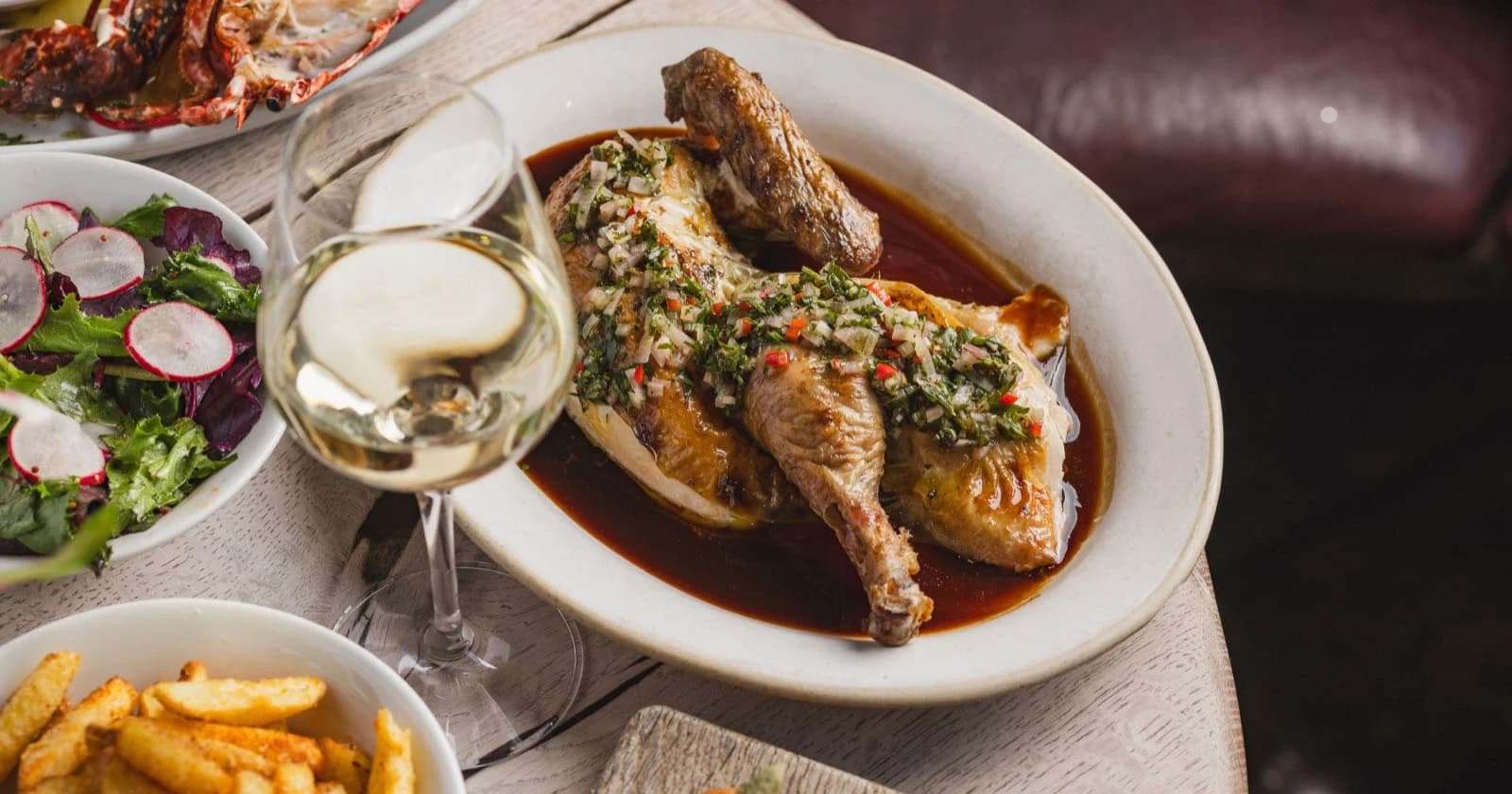
A restaurant posting AI-generated food images to its Facebook page sparked a comment-section debate that has become increasingly common online. The images had the telltale signs - unnaturally glossy surfaces, sauce that defied physics, bread with a texture closer to foam rubber than a baked good. When other users pointed this out, defenders of the post reached for a well-worn rebuttal: photography has always been fake anyway, so AI imagery is no different.
The "photography is fake too" argument usually leans on real examples - food stylists using motor oil instead of syrup, torches applied to raw meat for color, and the heavy post-processing that is standard in commercial shoots. These are legitimate observations, and professional food photography has never been a straight documentary record. However, collapsing the distinction between deliberate styling of a real physical object and wholesale image synthesis misses something important about how visual representation works and what audiences are actually relying on when they look at a menu image.
The practical stakes are not trivial. When someone orders a dish based on a photograph, they are forming an expectation about portion, texture, color, and composition. Stylized photography of real food, however exaggerated, is still anchored to materials that exist. A generated image can depict something that no kitchen has ever produced and perhaps never could. The gap between the image and the plate can be qualitatively different, not just a matter of degree.
The broader conversation this touches on - about disclosure, audience trust, and what authenticity means in visual media - is one the industry is still working through. Platforms have not standardized labeling requirements for AI-generated promotional content, and most consumers are left to develop their own detection instincts. The restaurant's post, and the argument it provoked, is a small but clear illustration of why that gap in norms matters in everyday contexts, not just in high-profile artistic or political ones.