gen‑ai.news
← Back
Image

Apple’s new AI photo editing tools mostly work, for better and worse

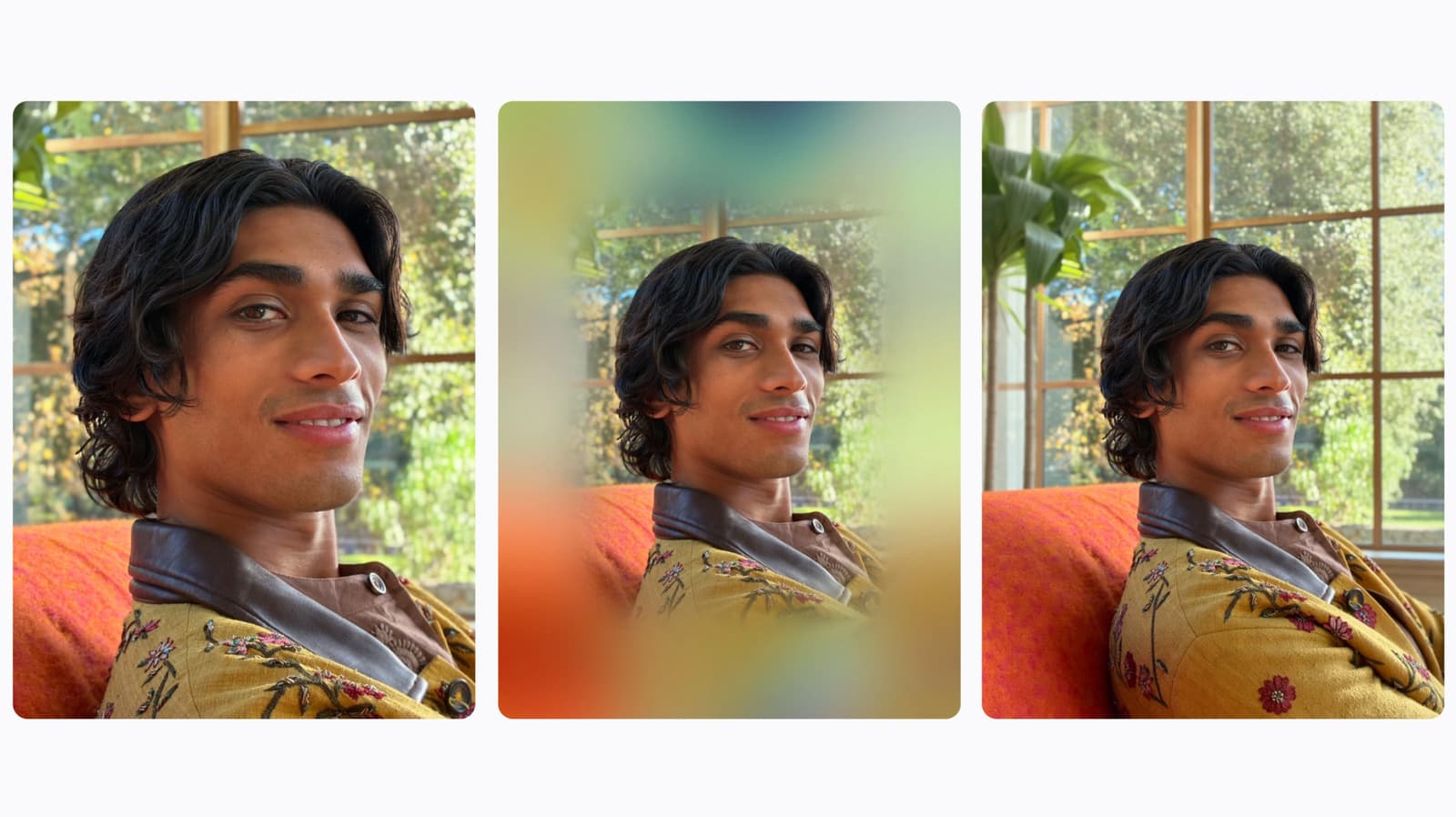
With iOS 27, Apple is adding its first set of substantive AI photo editing tools to the native Photos app, giving iPhone users capabilities that Android devices - particularly Google's Pixel phones - have offered for some time. The new features include options to reframe and extend images, as well as a clean-up tool for removing unwanted elements from a shot. For a platform that has long kept its Photos app relatively conservative in terms of editing depth, the additions represent a notable shift in Apple's approach.

The tools are available now in the iOS 27 developer beta, which means they are not yet in the hands of most users and could still be refined or adjusted before a wider public rollout. That context matters: first impressions from early testers suggest the features work reasonably well in many situations, but like most AI editing tools, they are imperfect and their results can vary depending on the complexity of the image.

Apple's entry point into AI photo editing is measured compared to what some competitors offer. Google's Pixel phones have had generative editing features - including object removal and scene expansion - baked into their image workflows for a couple of years. Apple is arriving later but with the advantage of an enormous installed base; the iPhone is widely considered the most-used camera in the world, meaning these tools will reach a vast number of people once iOS 27 is publicly released.

The broader question these features raise is one of intent and trust. AI editing tools that can extend a scene beyond its original frame or erase elements that were genuinely present blur the line between a photograph as a record and a photograph as a composed image. Apple has not historically been vocal about how it frames that distinction for users, and as these capabilities become standard across the industry, how platforms communicate what has been altered - and how much - is becoming an increasingly important consideration.

Enjoy this story? Get the next one in your inbox.

Twice a week: the most important stories in generative image and video AI, distilled into a 2-minute read.

Free. Unsubscribe any time. No spam, ever.

Your next read

Image

The EU doesn't really know what a deepfake is, and that's becoming a problem for retail

A major European retail trade group is pushing back against the EU AI Act's transparency requirements, arguing that AI-generated product imagery - think a sofa in a computer-generated living room - should not be classified alongside deepfakes. The dispute exposes a genuine ambiguity in the regulation's language that has real consequences for how online retail operates. With platforms like Zalando reporting that 90 percent of their marketing content is already AI-generated, the stakes are signifi

Image

Adobe’s redesigned AI studio remembers what your creations look like

Adobe is rolling out a redesigned Firefly AI studio in private beta, bringing editing and image generation into a single interface. A key addition is the ability to save named visual elements - characters, objects, and backgrounds - so they can be reused consistently across projects without drifting in appearance.

Image

Adobe brings its Firefly AI Assistant inside of Premiere, Photoshop and Illustrator

Adobe has integrated its Firefly AI assistant directly into Premiere Pro, Photoshop, and Illustrator, bringing generative AI tools into the core workflow of its most widely used creative applications. Rather than requiring users to switch between separate tools or platforms, the assistant is now accessible from within each app. The move reflects Adobe's ongoing effort to embed AI capabilities at the point where creative work actually happens.