Car Photography Company Sues Midjourney for Allegedly Copying Thousands of Its Photos
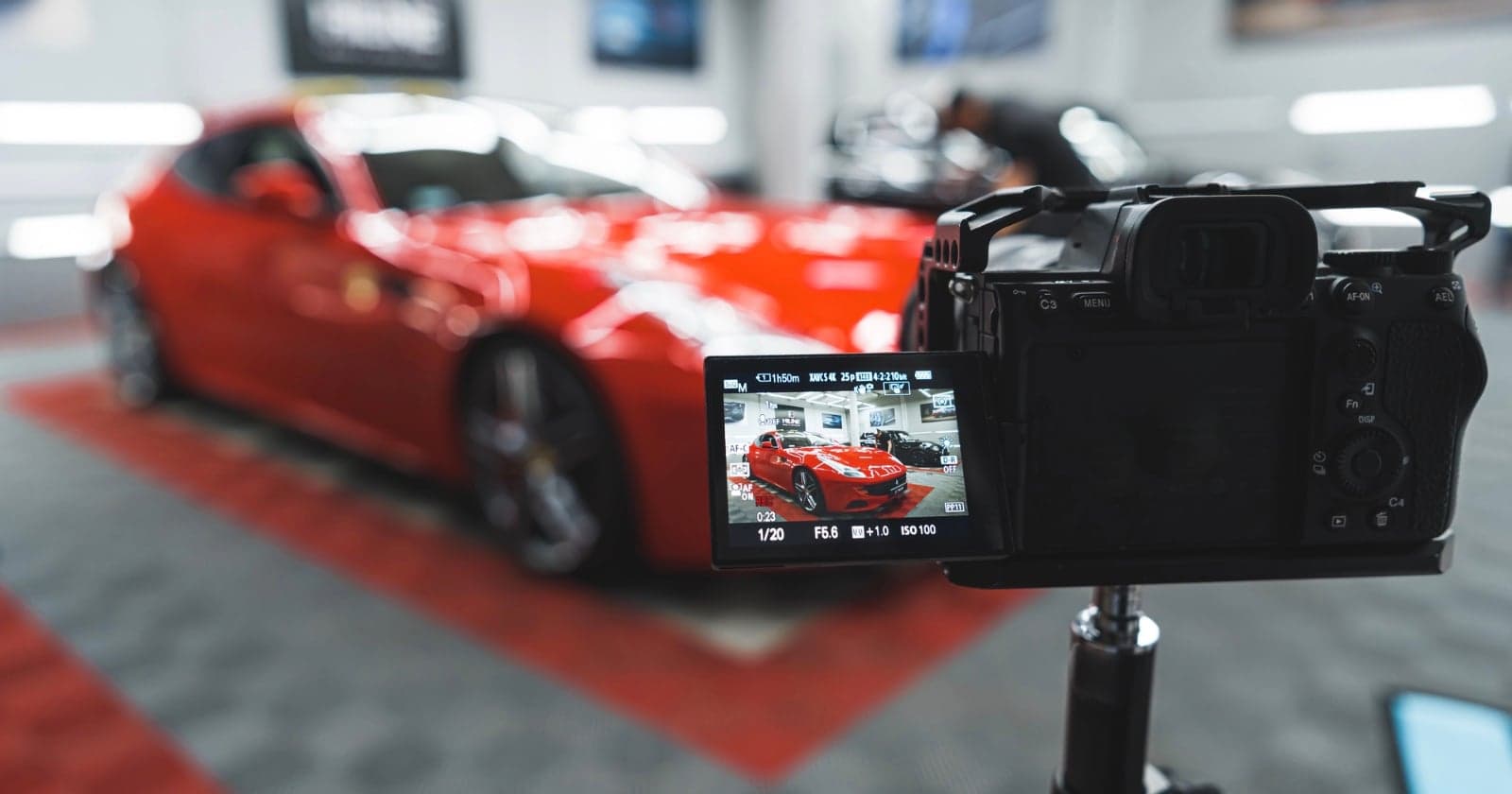
A car photography company has taken legal action against Midjourney, claiming the AI image generator scraped and used tens of thousands of its copyrighted vehicle photographs to train its model without consent or compensation. The lawsuit, reported by PetaPixel, represents one of the more domain-specific copyright claims to emerge from the wave of litigation surrounding generative AI training practices.
The case follows a pattern established by earlier suits from visual artists, stock photo agencies, and news organizations, all of which argue that AI companies built commercial products on top of copyrighted work without licensing it. What distinguishes this filing is its narrow focus - the plaintiff is a specialist in automotive photography, a niche with a well-defined and commercially valuable image catalog. That specificity may make it easier to document the alleged copying and to establish direct market harm, since AI-generated car imagery now competes directly with traditional automotive photo services used by dealerships, manufacturers, and advertisers.
Midjourney has faced multiple copyright-related legal challenges and has not publicly disclosed the full composition of its training datasets. Like other generative image companies, it has generally argued that training on publicly available images constitutes fair use under U.S. copyright law - a legal question that courts have not yet definitively resolved. Several similar cases against Stability AI, Getty Images, and others are still working through the courts, and their outcomes are expected to shape how the industry handles training data going forward.
For photographers and visual content businesses, the suit underscores the ongoing uncertainty around how existing copyright frameworks apply to AI training. A ruling in favor of the plaintiff could open the door to broader claims from other specialized photography sectors, while a ruling for Midjourney would likely embolden AI developers to continue current data practices. Either way, the case is worth watching as one of the cleaner test scenarios for how courts will treat large-scale, single-source image use in AI model development.