gen‑ai.news
← Back
Video

Black Forest Labs makes FLUX 3 Video generally available and claims it beats Seedance 2.0
Black Forest Labs makes FLUX 3 Video generally available and claims it beats Seedance 2.0

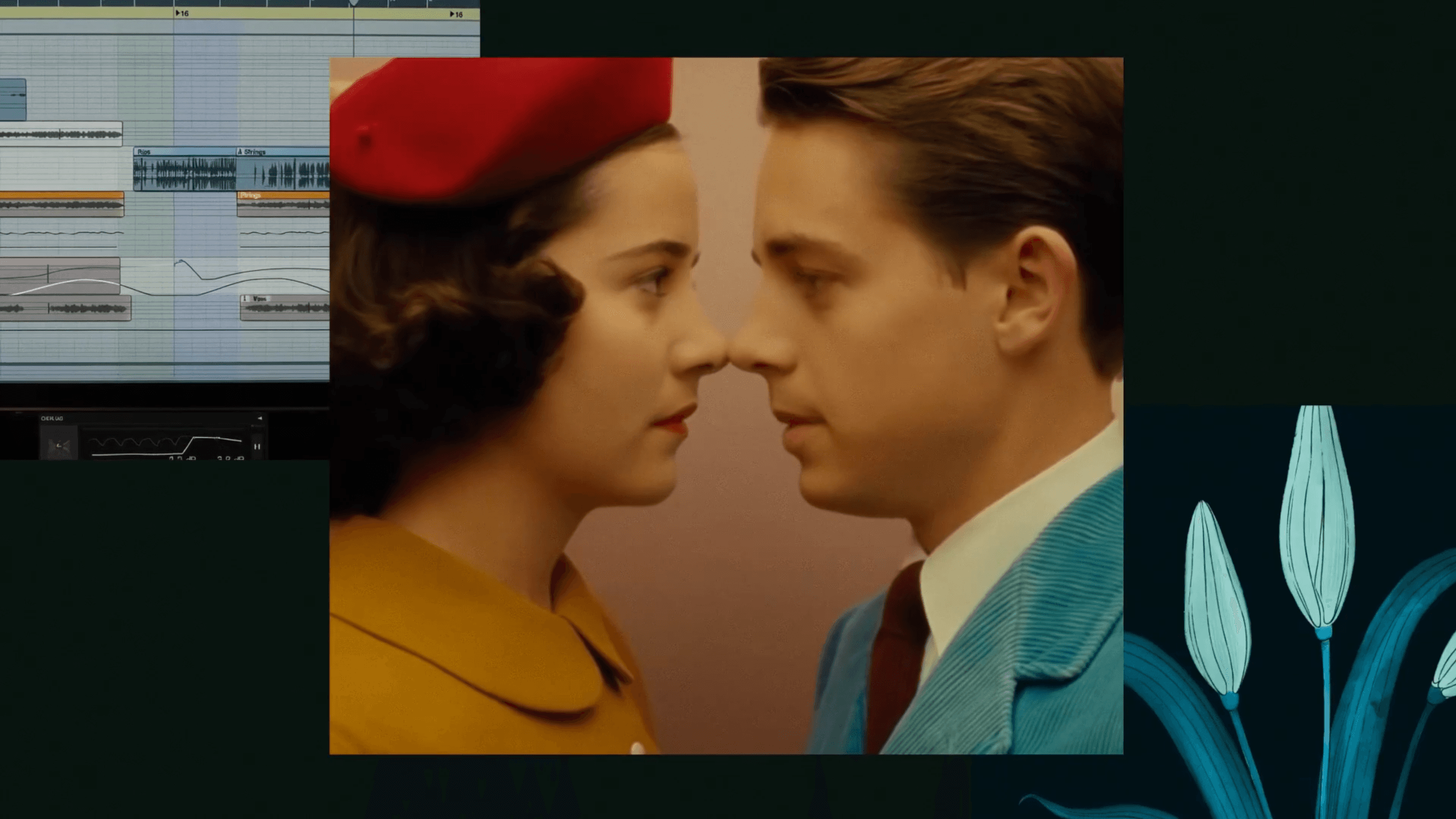
Black Forest Labs has made FLUX 3 Video generally available, bringing its latest video generation model to a wider audience after what appears to have been a limited early access period. The model produces Full HD clips with a maximum duration of 20 seconds - a meaningful step up in length and resolution compared to many competing offerings that still cap out at shorter runtimes or lower resolutions.

One of the more technically notable additions is native audio generation paired with lip-synced dialogue. Rather than requiring a separate audio layer to be composited onto generated footage, FLUX 3 Video handles both simultaneously, and the lip-sync capability works across more than 14 languages. That kind of multilingual support at the generation stage - rather than as a post-processing dubbing step - reduces friction for creators working across different regional markets.

The model also introduces in-scene typography rendering, allowing readable text to appear naturally within generated video frames. Legible text in AI-generated images and video has historically been a weak point for diffusion-based models, so its inclusion as a feature worth highlighting suggests BFL has made targeted improvements in that area.

On the competitive positioning side, Black Forest Labs is citing its own Elo-based ranking system to place FLUX 3 Video above Google's Gemini Omni Flash and ByteDance's Seedance 2.0. Elo rankings derived from user preference votes can be a useful signal, but it is worth noting that BFL is both running and reporting these benchmarks, which warrants some caution in taking the comparisons at face value. Independent third-party evaluations will ultimately offer a clearer picture. Black Forest Labs, the team behind the widely used FLUX image generation models, has been working to expand into video, and this release marks a concrete step in that direction.

Enjoy this story? Get the next one in your inbox.

Twice a week: the most important stories in generative image and video AI, distilled into a 2-minute read.

Free. Unsubscribe any time. No spam, ever.

Your next read

China's MiniMax H3 is the first open model to top an AI video ranking
Video

China's MiniMax H3 is the first open model to top an AI video ranking

Chinese AI company MiniMax has released the weights for its H3 video generation model, marking the first time an open model has claimed the top spot on a major AI video benchmark ranking. The release is a notable moment for the open-source side of the generative video space, which has largely been outpaced by proprietary offerings from companies like OpenAI, Google, and Sora competitors. H3's rise to the top of the leaderboard signals that the gap between closed and open video models may be narr

Is paying artists enough to convince them to embrace AI?
Video

Is paying artists enough to convince them to embrace AI?

A new wave of AI startups is attempting to address longstanding concerns from the illustration community by compensating artists whose work is used in model training. Pippa is one such company, positioning itself as a more ethically grounded alternative to competitors that have trained on unlicensed work. Whether financial compensation alone is enough to shift artist sentiment remains an open question.

Snap and LinkedIn are fighting back against a flood of low-quality AI content
Video

Snap and LinkedIn are fighting back against a flood of low-quality AI content

Snap and LinkedIn are both taking steps to curb the spread of low-effort AI-generated content on their platforms. Snap is blocking AI-generated videos from its Spotlight feed, while LinkedIn has introduced a dedicated reporting option for what many users call "AI slop." The moves reflect growing pressure on social platforms to maintain content quality as generative AI tools become more accessible.