More Realistic Images More Stable Editing Across 100 Rounds Introducing Seedream 5 5
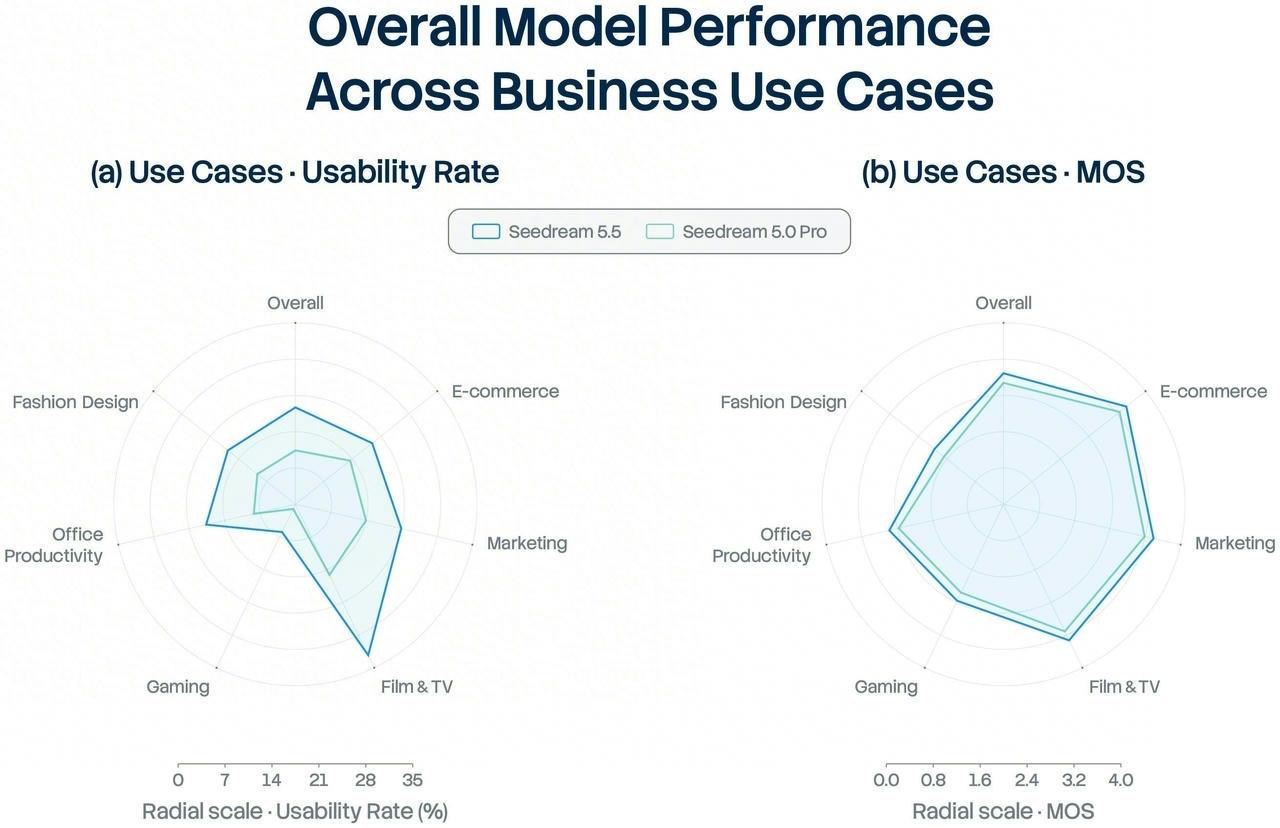
ByteDance's research division has unveiled Seedream 5.5, an incremental but focused update to its Seedream line of text-to-image and image editing models. The two headline improvements are enhanced photorealism in generated images and greater consistency when making repeated edits to a single image across extended sessions - up to 100 rounds of iterative changes.
Multi-round editing stability has been a persistent challenge in diffusion-based image models. Each edit pass can introduce subtle shifts in lighting, texture, or structure that compound over successive iterations, gradually distorting the original intent. Seedream 5.5 appears to address this by reducing that drift, keeping the image coherent and consistent with the user's accumulated instructions even after dozens of back-and-forth refinements. For professional workflows - such as product visualization, concept art iteration, or creative direction pipelines - this kind of reliability matters more than raw single-shot quality.
On the realism side, the update targets finer details in areas where generative models have traditionally struggled, including human skin texture, fabric, lighting interaction with surfaces, and fine-grained object detail. These improvements suggest continued refinement of the model's training data and architecture rather than a full rebuild, which fits the 5.5 versioning rather than a major release number.
Seedream sits within ByteDance's broader push into generative media infrastructure, alongside its video generation efforts under the Seaweed and MagicVideo lines. The 5.5 release continues the company's pattern of incremental public updates paired with technical blog posts, positioning Seedream as a production-oriented tool rather than a research showcase. No specific details about model architecture changes or benchmark comparisons have been highlighted in the announcement, but the focus on editing stability over 100 rounds suggests practical, deployment-driven priorities.