
Trump Shares Doctored Photo That Appears to Replace Official With Natalie Harp
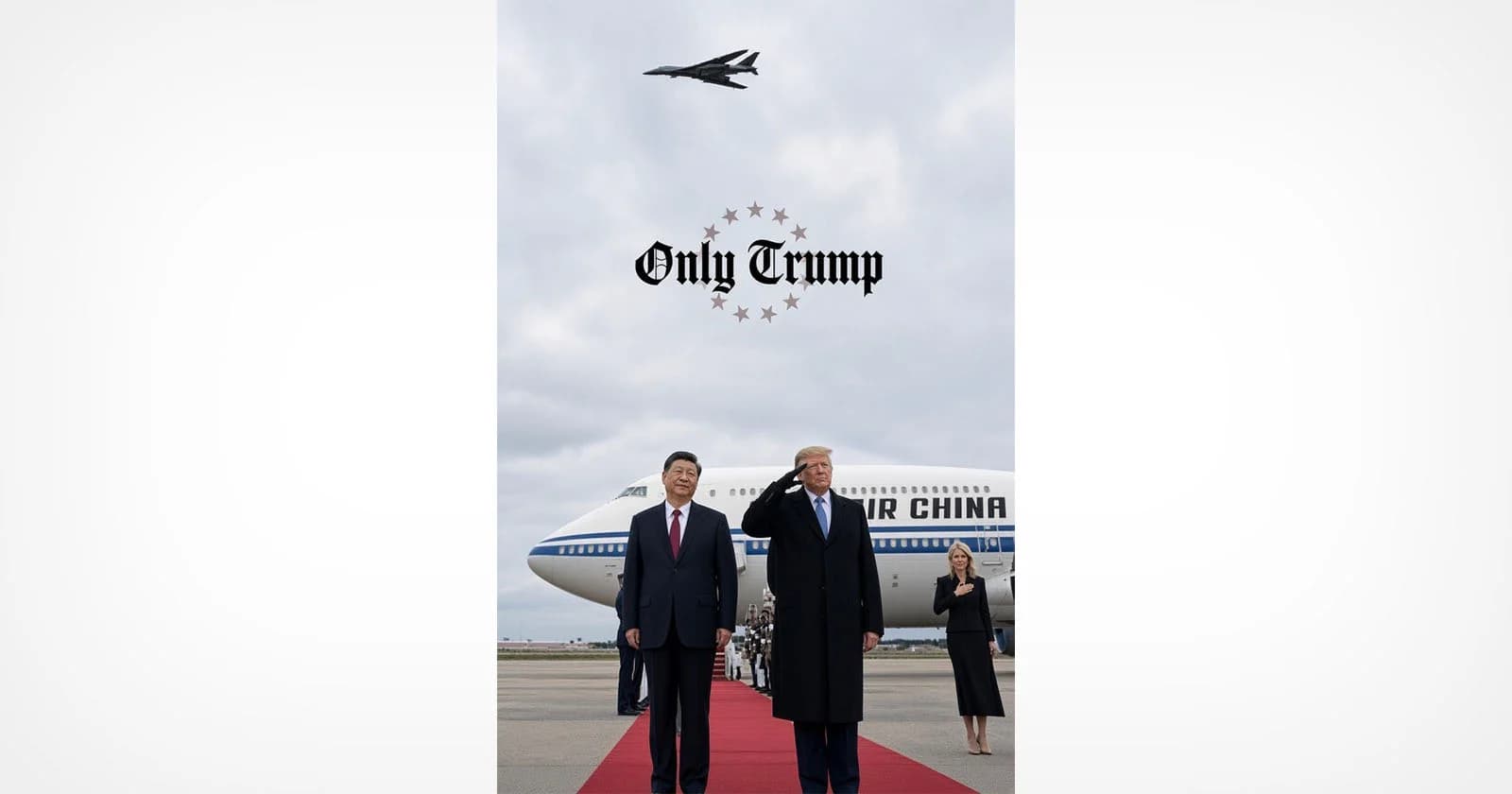
President Trump posted an image to his Truth Social platform showing himself with Chinese President Xi Jinping, but photo analysts and experts have concluded the image was digitally altered. Specifically, an official who appeared in the original photograph appears to have been removed and replaced with Natalie Harp, a Trump aide and former One America News host. The White House has not offered a detailed explanation of the image's origins.
The incident is notable not just for the political context but for what it illustrates about how accessible image manipulation has become. Tools capable of convincingly swapping faces or replacing figures in photographs - once the domain of skilled retouchers - are now widely available to everyday users through consumer AI applications. The result is that doctored images can be produced quickly and distributed at scale, often before any fact-checking can take place.
Experts who examined the photo pointed to inconsistencies in lighting, skin tone rendering, and edge definition around the substituted figure as indicators of manipulation. These are tell-tale signs that generative or compositing tools were used rather than the image being an authentic capture. Whether the manipulation was performed using a generative AI tool or more traditional compositing software has not been confirmed publicly, though the quality of the edit is consistent with current AI-assisted workflows.
The broader concern here is the normalization of altered imagery in political communication. When manipulated photos are shared by figures in positions of authority, it complicates the public's ability to trust documentary images, particularly those depicting sensitive diplomatic interactions. As generative image tools continue to improve, the visual artifacts that currently allow experts to detect fakes will become harder to identify - making media literacy and robust verification practices increasingly important for both journalists and the general public.
