
Cocomelon's Studio Tells Its Artists to Start Experimenting With AI
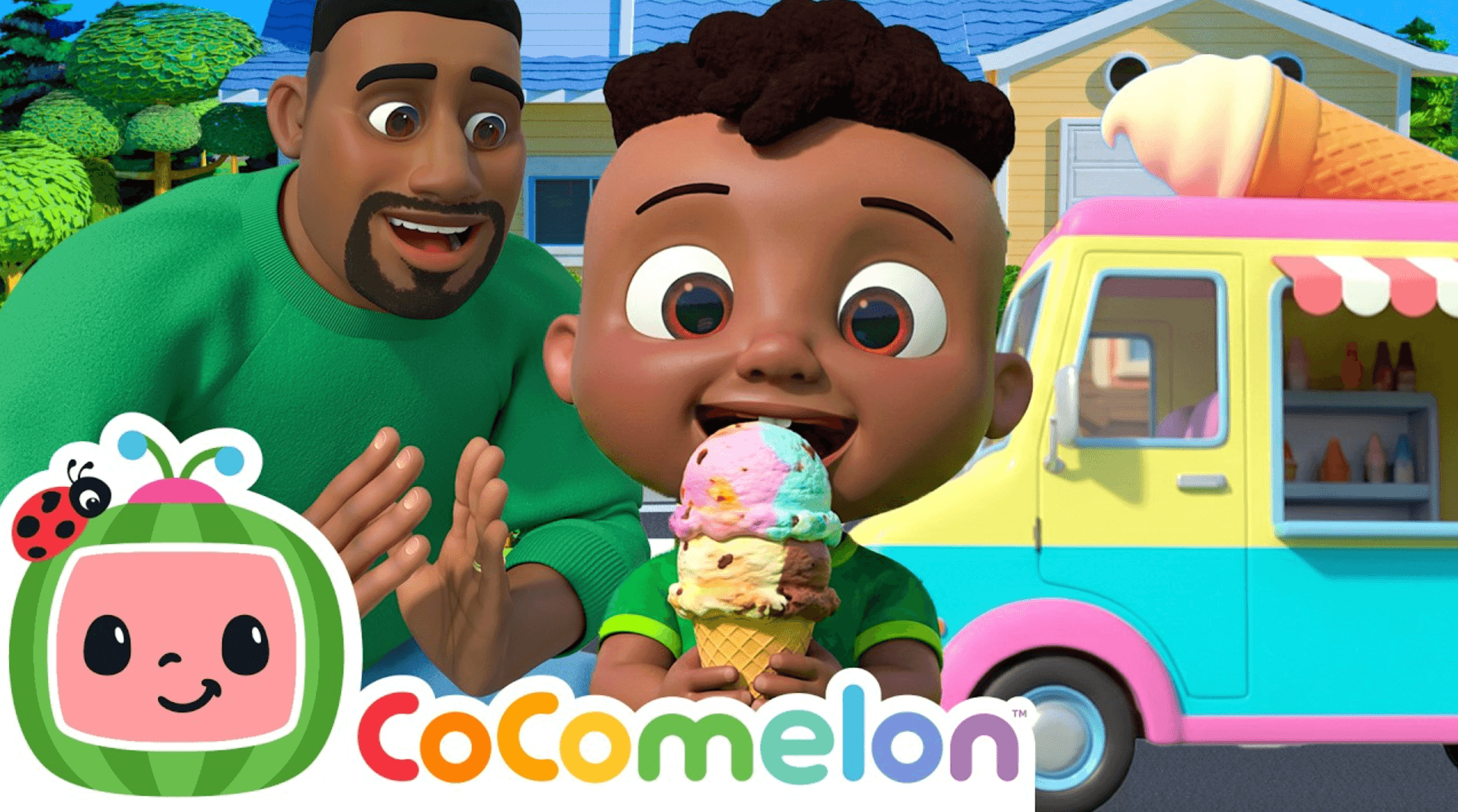
Moonbug Entertainment, the production company responsible for some of the most-watched children's content in the world - including Cocomelon and Blippi - has told its artists to start incorporating AI tools into their work. The directive signals that AI is moving from an abstract consideration into an active part of day-to-day creative operations at one of the larger studios focused on children's media.
The company has framed its approach around keeping a "human in the loop," suggesting it does not intend to fully automate creative tasks but rather use AI as an assistive layer alongside its existing workforce. That framing is increasingly common among media companies navigating both the capabilities of generative tools and the sensitivities around replacing skilled workers with automation.
Moonbug's properties carry particular cultural weight given their audience. Cocomelon is among the most-streamed shows for young children globally, and the visual and audio consistency of that content is central to its appeal. How AI-generated or AI-assisted elements might affect the look and feel of such tightly branded productions - and whether audiences or parents would notice or care - is an open question. There is also the matter of trust: content aimed at very young children tends to face higher scrutiny from parents and regulators alike.
For the artists being asked to experiment with these tools, the situation is familiar to those across animation and illustration who have watched AI image generation develop over the past few years. Being directed by a studio to engage with tools that could, in some configurations, reduce headcount puts workers in a difficult position. How Moonbug structures that experimentation - whether it leads to workflow efficiencies that preserve jobs or to consolidation - will likely become clearer as the policy moves from announcement to practice.
