DaVinci Resolve 21 Officially Released With New Photo Editing, AI Tools, and Much More
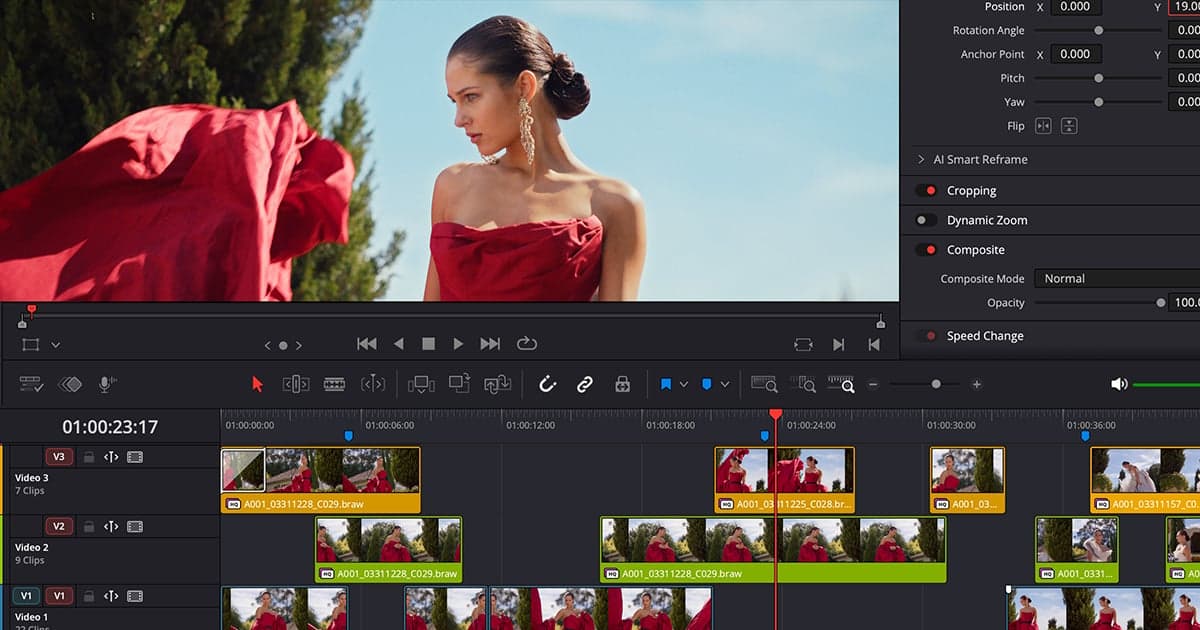
Blackmagic Design has officially released DaVinci Resolve 21, completing a development cycle that the company describes as one of the largest in the application's history. The update spans virtually every major section of the software, with additions ranging from a purpose-built photo editing environment to AI-assisted tools designed to reduce manual labor on common post-production tasks.
The most structurally significant addition is a new Photo page, which brings still-image editing into Resolve as a first-class workflow rather than a workaround through the existing Cut or Color pages. This positions the software more directly against dedicated photo editors, and it reflects a broader trend of Blackmagic expanding Resolve beyond its origins as a color grading tool into a more general creative suite.
On the AI side, the release adds a range of tools that touch color grading, editing, and visual effects. While Blackmagic has not historically been the fastest company to integrate generative features, Resolve 21 appears to incorporate several practical AI-driven capabilities aimed at speeding up repetitive tasks rather than generating content from scratch. The specifics span areas like object-based workflows and automated analysis, continuing the direction set by earlier AI features such as Magic Mask and Speed Warp.
The update also extends codec and camera format support, which matters to cinematographers and editors who work with newer acquisition formats and need reliable decode performance inside a single application. Workflow improvements across the Fairlight audio page and Fusion visual effects environment round out the release. DaVinci Resolve 21 is available as a free download, with the full Studio version carrying its existing one-time license fee - a pricing model that continues to differentiate Blackmagic from subscription-based competitors.