
Director Danny Boyle Says He Used AI to Animate Photos in Latest Film ‘Ink’
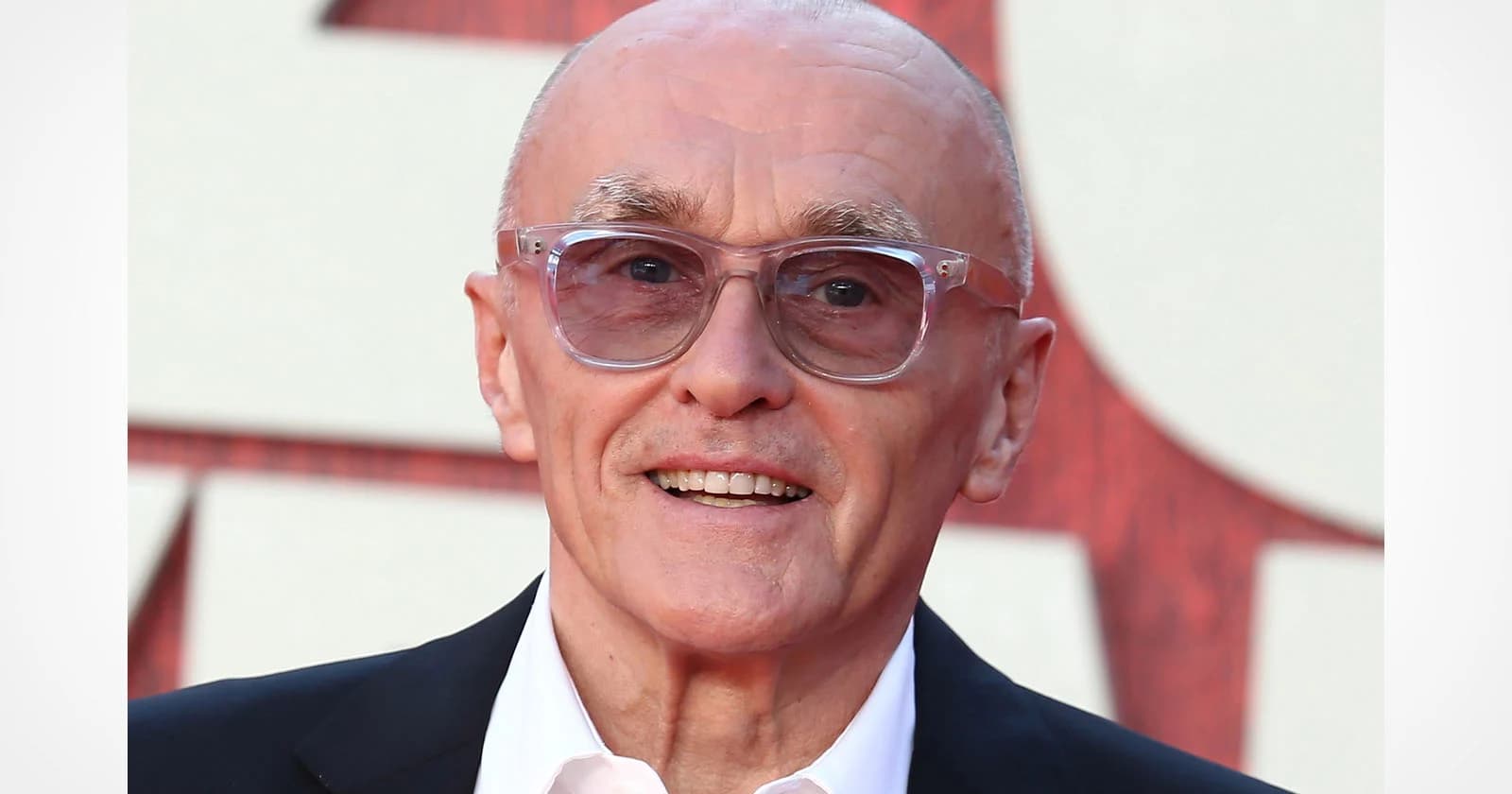
Danny Boyle, the filmmaker behind Trainspotting and Slumdog Millionaire, has publicly confirmed that his latest film Ink makes use of generative AI to animate still photographs. The acknowledgment is notable in an industry where the use of AI tools has often been handled quietly, and where disclosure - especially from directors of Boyle's standing - remains uncommon.
The specific application Boyle described involves taking photographic images and using AI to introduce motion into them, a technique sometimes called image animation or photo-to-video generation. This approach has become increasingly practical as generative video models have improved at maintaining visual consistency and producing fluid, believable movement from a single static frame. Tools capable of this have been available in various forms from companies including Runway, Kling, and others, though Boyle has not publicly specified which platform or model was used on Ink.
The decision to use AI in this way sits within a broader conversation happening across the film industry about where generative tools are appropriate, how their use should be credited, and what obligations filmmakers have to disclose them to audiences and collaborators. Animating archival or otherwise un-filmed moments using AI offers genuine creative possibilities - particularly for documentary-adjacent narratives or stories that draw on historical imagery - but it also raises questions about authenticity and the line between photographic record and generated content.
Boyle's willingness to speak openly about the choice is itself meaningful. As generative image and video AI becomes more capable, decisions about transparency are likely to become a recurring point of discussion for both studios and individual filmmakers. His comments on Ink may encourage a more candid industry conversation about how these tools are being used and what audiences can reasonably expect to be told about the films they watch.
