
Elon Musk Has Followed Through on His Threat to Remake ‘The Odyssey’ With Grok AI
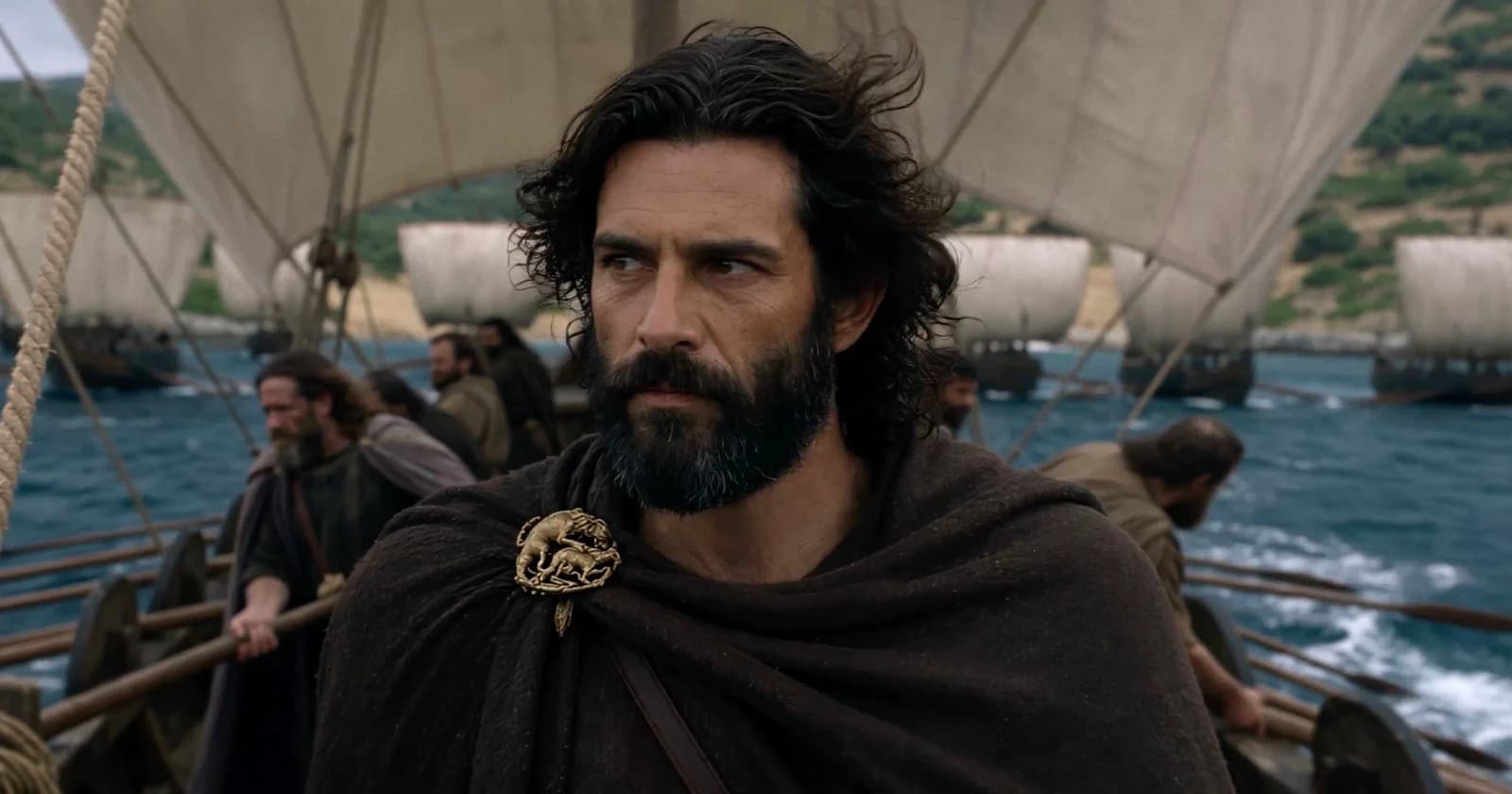
When Christopher Nolan's adaptation of The Odyssey began drawing significant attention, Elon Musk publicly stated that xAI's Grok would produce its own AI-generated, feature-length version of the ancient Greek epic. That statement has now been partially acted upon, with Musk releasing what appears to be a Grok-assisted rendition of the story - though by most accounts the output is a qualified effort rather than a polished alternative to a studio production.
The project sits in a broader context of high-profile figures using generative AI video tools to make pointed statements about Hollywood or the film industry. Grok, xAI's multimodal AI system, has been steadily expanding its image and video generation capabilities, and this appears to be among the most ambitious use cases Musk has publicly demonstrated for it. Whether the underlying generation was handled entirely within Grok's own pipeline or involved additional tools has not been made fully clear.
From a technical standpoint, producing a coherent feature-length narrative with current generative video models remains genuinely difficult. Maintaining consistent character appearance, scene continuity, and dramatic pacing across the runtime of a feature film pushes well beyond what most publicly available models handle reliably. The Odyssey is also a particularly demanding source text - its scope, cast of characters, and episodic structure present real challenges for any generative system trying to produce something watchable end-to-end.
The release is likely to be discussed less as a filmmaking achievement and more as a statement - about AI's potential role in content creation, about Musk's ongoing friction with mainstream cultural institutions, and about how seriously the output of today's generative video tools can be taken when deployed at scale. Whether it moves the needle on public perception of AI-generated long-form video will depend largely on how the finished product is received by those who watch it.
