Google Earth Pulls AI Image Generator After Users Created Misleading Images

Google Earth's experiment with generative AI imagery was short-lived. The company had recently added the Nano Banana AI image generator to its platform - a move that attracted attention from tech and photography outlets almost immediately - but within days Google reversed course and removed the feature entirely.
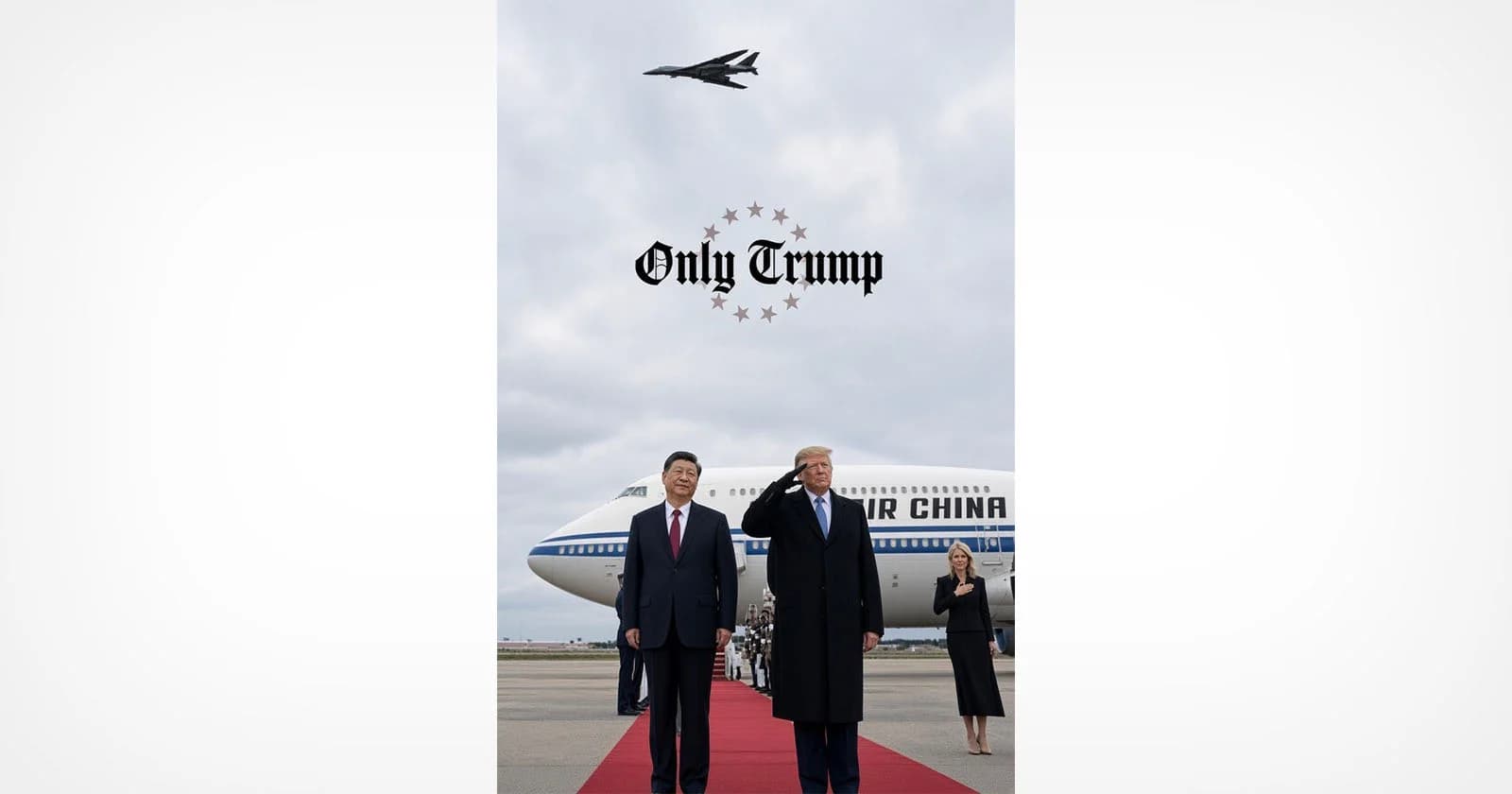
The swift pullback appears to have been driven by users generating misleading images, likely depicting locations or scenes in ways that could be confused with real satellite or ground-level photography. That particular risk is especially pronounced in a product like Google Earth, which carries a strong association with factual, documentary imagery of the real world. When a tool built for geographic truth becomes a canvas for synthetic visuals, the potential for confusion or misuse is considerably higher than on a general-purpose creative platform.
Nano Banana is a generative image model that had been positioned as an accessible, lighter-weight AI image creation tool. Its integration into Google Earth suggested the company was exploring ways to weave generative features into its mapping and exploration products, though the specifics of what the tool was intended to help users create - whether artistic overlays, hypothetical visualizations, or something else - remain unclear following the removal.
Google has not publicly detailed the exact nature of the problematic images or whether any formal policy changes will accompany the takedown. It is also unclear whether the company plans to revisit a generative image feature for Google Earth in the future, potentially with stronger guardrails. For now, the episode serves as a concrete example of the friction that arises when open-ended AI image tools are placed inside products that users trust for accurate, real-world information.