Google nixes its Earth AI feature one day after launch, amid criticism it would spread misinformation
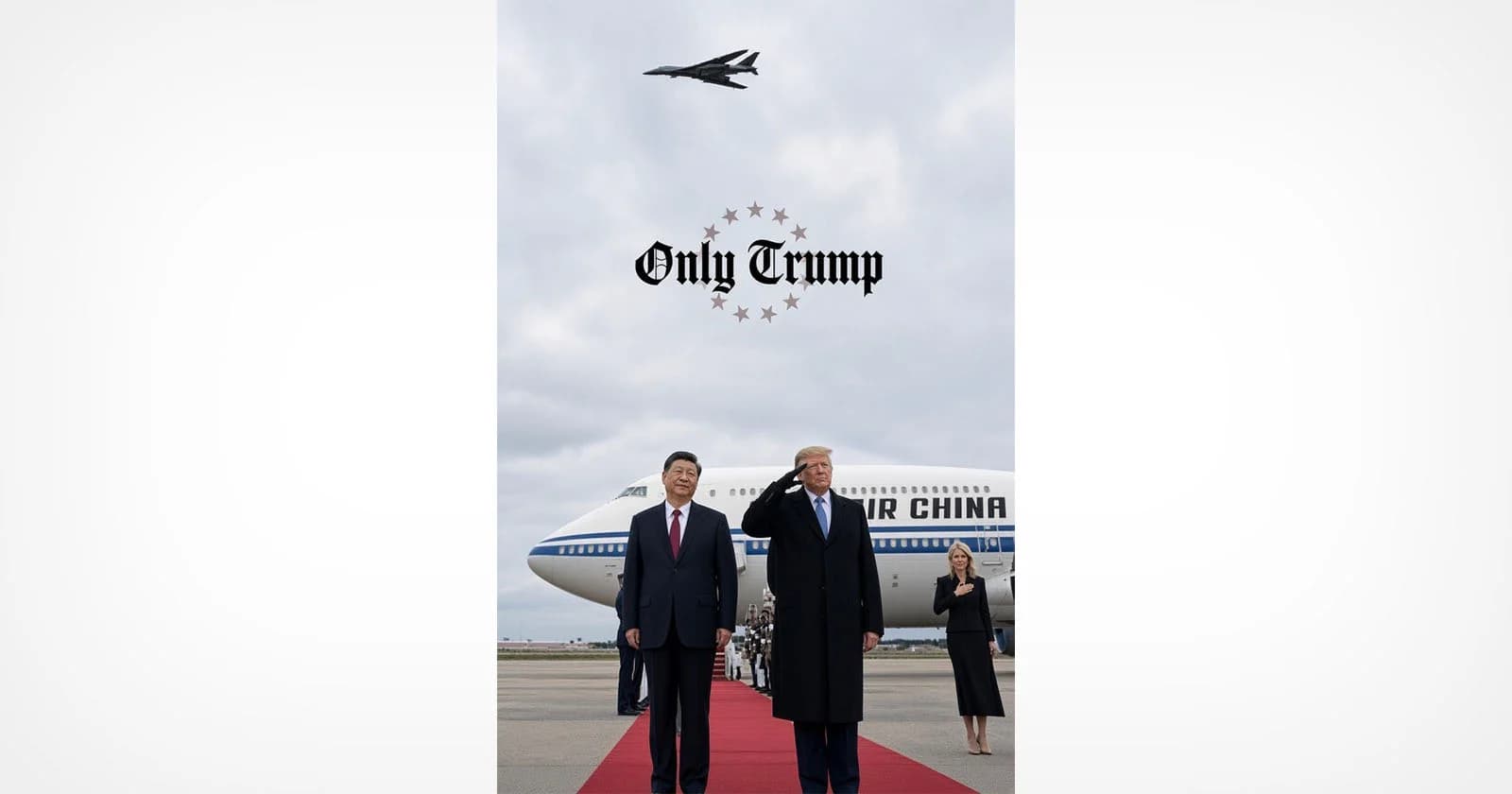
Google withdrew a newly launched AI feature connected to Google Earth within a single day of its debut, citing concerns that had already begun circulating widely about the tool's potential to generate misleading content. The feature allowed users to produce AI-generated imagery and overlay it onto authentic satellite and map data from Google Earth, a combination that critics argued made fabricated visuals appear more credible and harder to dispute.
The backlash centered on the straightforward misuse case: anyone with access to the tool could construct a convincing-looking but entirely false depiction of a real-world location. Concerns ranged from the spread of disinformation about conflict zones and natural disasters to the potential manipulation of land use records or infrastructure documentation. Because the imagery was anchored to genuine geographic coordinates and map layers, the resulting composites carried an air of authenticity that purely synthetic images would not.
Google has not released detailed technical information about how the feature was built or what safeguards, if any, were in place at launch. The speed of the decision to pull it - within roughly 24 hours - suggests the volume and nature of the criticism caught the company off guard, or that internal review after public release surfaced risks that pre-launch evaluation had not fully addressed. It is not uncommon for generative AI features to face scrutiny once they reach a broad audience, but a same-day rollback is a relatively rare outcome.
The episode adds to a broader conversation about how AI capabilities should be introduced when they interact with trusted, real-world reference systems like maps. Geospatial data occupies a particular place in public trust - people rely on it for navigation, journalism, emergency response, and legal contexts. Attaching generative AI tools to that infrastructure without robust misinformation safeguards carries risks that go beyond the typical concerns about synthetic media. Google has not announced whether a revised version of the feature is planned, or what changes would need to be made before it could return.