gen‑ai.news
← Back
Image

Google rolls back the needless AI generation tools it added to Google Earth
Google rolls back the needless AI generation tools it added to Google Earth

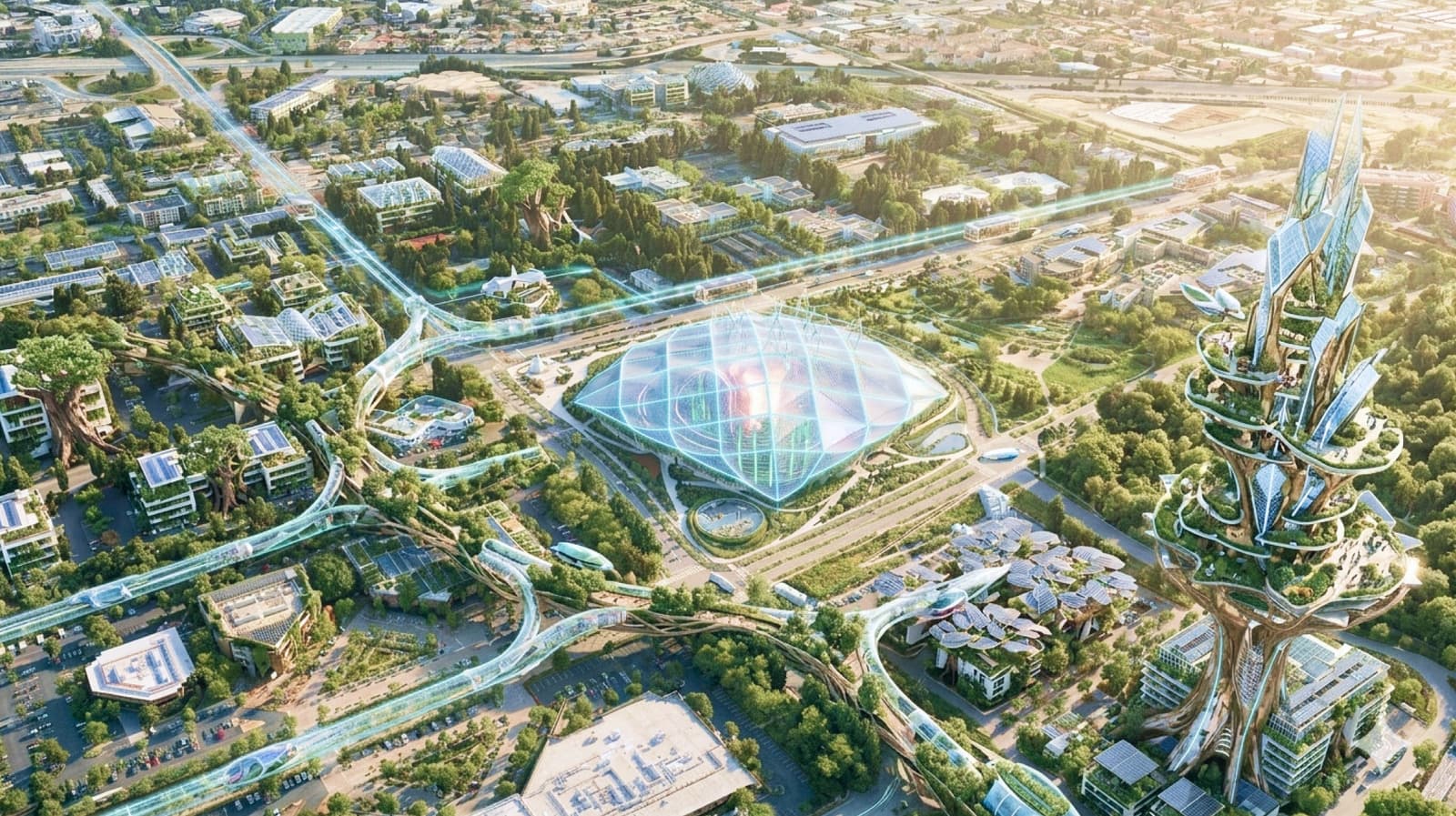
Google added AI image generation capabilities to Google Earth only to remove them within hours, in what amounts to one of the faster feature reversals the company has made in recent memory. The tools were live briefly - long enough for users to notice and raise concerns, but not long enough for any widespread adoption to take hold.

The core problem was the nature of what the tools allowed. Google Earth carries a particular kind of authority in the public mind; its imagery is associated with real places, real geography, and factual representation of the world. Grafting generative AI onto that surface created an obvious opening for misleading content - images that could be mistaken for genuine aerial or satellite views of locations that do not exist or have been altered.

Google has not offered a detailed public explanation for the decision to roll back the feature, but the speed of the removal points to either an unintended release or a rapid internal reassessment after the backlash became clear. Either way, the episode illustrates a tension that keeps surfacing as AI generation tools get embedded into established, trusted products - the capabilities may be technically functional, but the context in which they appear shapes how they will be used and what risks they introduce.

For Google Earth specifically, the stakes around visual credibility are higher than in a general-purpose creative app. The platform is used by journalists, researchers, educators, and policymakers who rely on it as a reference tool. Introducing generative imagery - even as an optional feature - into that environment raises questions that go beyond product design and into information integrity. Google pulling the feature back so quickly may signal that those questions did not get sufficient consideration before the launch went ahead.
Read at Engadget →
Share:X

Enjoy this story? Get the next one in your inbox.

Twice a week: the most important stories in generative image and video AI, distilled into a 2-minute read.

Free. Unsubscribe any time. No spam, ever.

Your next read

Trump Shares Doctored Photo That Appears to Replace Official With Natalie Harp
Image

Trump Shares Doctored Photo That Appears to Replace Official With Natalie Harp

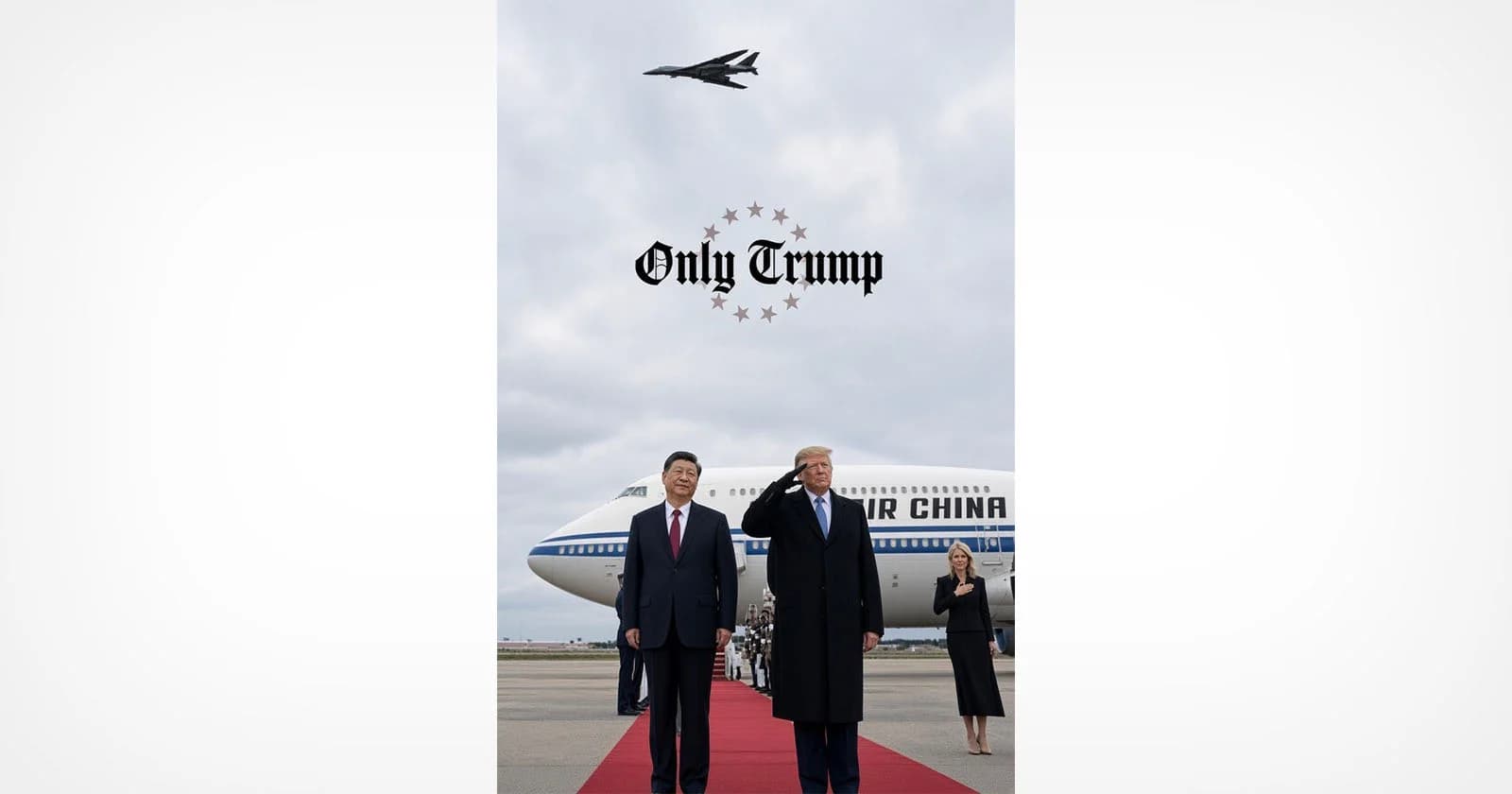
President Trump shared a doctored photo on Truth Social depicting himself alongside Chinese President Xi Jinping, with experts concluding that an official in the original image appears to have been replaced with Trump aide Natalie Harp. The incident adds to a growing pattern of manipulated images circulating at the highest levels of politics. It raises fresh questions about the role of AI-assisted photo editing in shaping public perception of diplomatic events.

You Can Edit Your Photos With Lightroom and Photoshop Inside Google Gemini
Image

You Can Edit Your Photos With Lightroom and Photoshop Inside Google Gemini

Adobe is bringing Lightroom and Photoshop editing capabilities directly into Google Gemini, allowing users to work with its tools without leaving the AI platform. The move extends Adobe's broader strategy of embedding its software into third-party AI environments, following earlier integrations with ChatGPT, Claude, Slack, and Microsoft Copilot.

No image
Image

Edit updates, thumbnail previews, and more

Midjourney has rolled out a set of interface updates on its alpha site, including live style previews that show how a prompt looks across different styles before committing to one. The update also brings thumbnail previews and refinements to the Edit workflow. These changes reflect the team's ongoing work to make the image generation and editing experience more interactive and informed.