Google's Genie 3 World Model Connects to Street View for Location-Grounded AI Environments
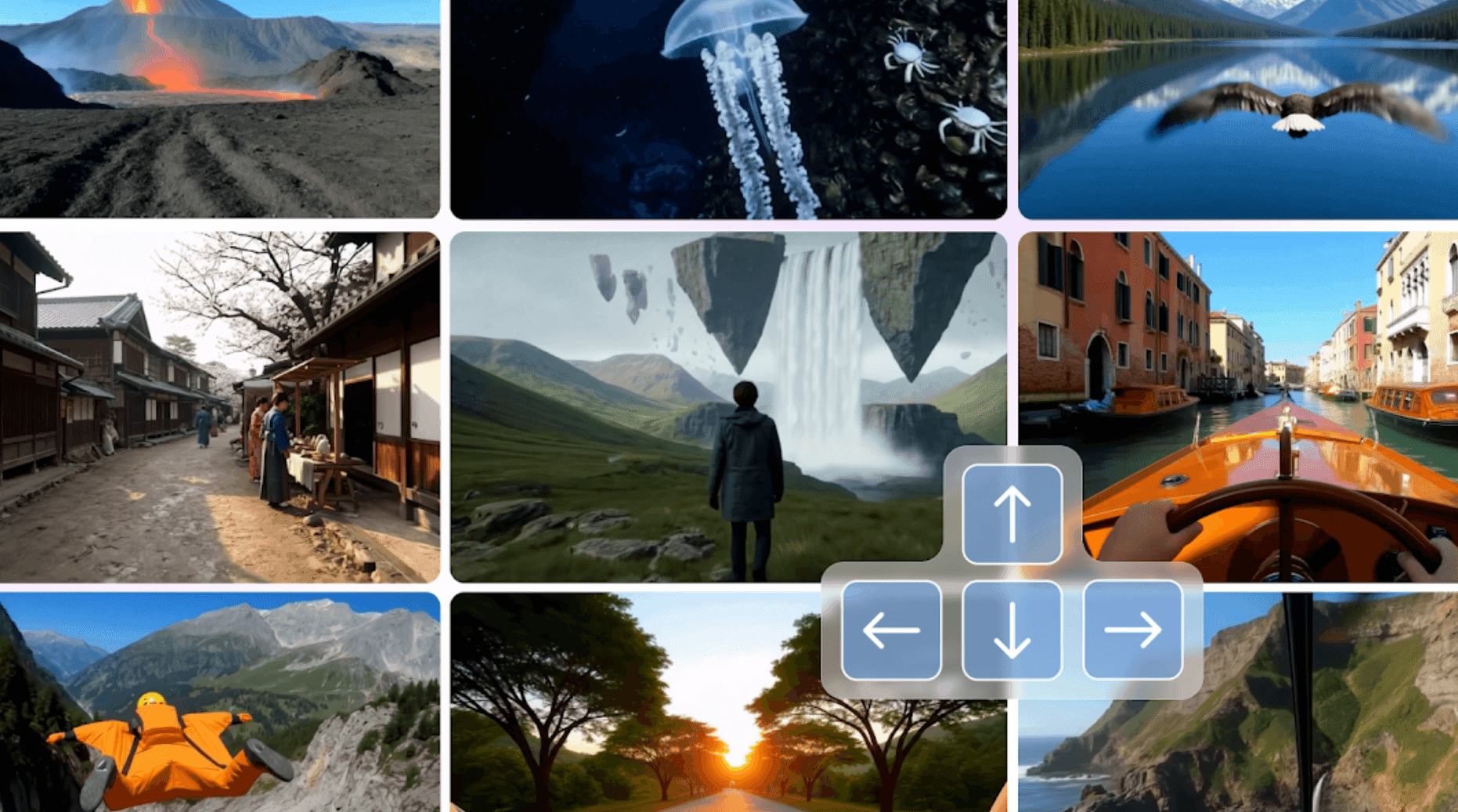
Google DeepMind announced at I/O 2026 that Project Genie, its interactive world model, now connects to Google Street View data. The integration lets users select a real-world location on a map and receive an AI-generated, navigable environment derived from that place's visual appearance. The feature is rolling out to AI Ultra subscribers globally.
Genie 3 generates interactive environments rather than passive video - the output is something closer to a simplified game world that can be explored in real time. Connecting it to Street View provides a geographically grounded starting point, which serves both creative and technical purposes. For creative uses, the result is an explorable space that retains the architectural character and visual texture of a real location. For research purposes, it gives AI agents and robotics systems a source of diverse, real-world-anchored environments for training and testing.
Street View's value as a training and grounding resource has been building since Google began collecting it in 2007. The dataset spans a wide range of urban and rural environments across many countries, with varying lighting, weather, and seasonal conditions - the kind of diversity that is difficult to replicate synthetically and that world models benefit from when learning spatial relationships and physical layout.
The project sits at an interesting intersection between generative video, interactive simulation, and robotics research. Google DeepMind has framed it as having applications beyond creative tools, suggesting the Street View-grounded world model could become infrastructure for agent training at scale.