gen‑ai.news
← Back
Video

Google Wants To Make a 24/7 AI TV Channel. You’ll Be the Main Character
Google Wants To Make a 24/7 AI TV Channel. You’ll Be the Main Character

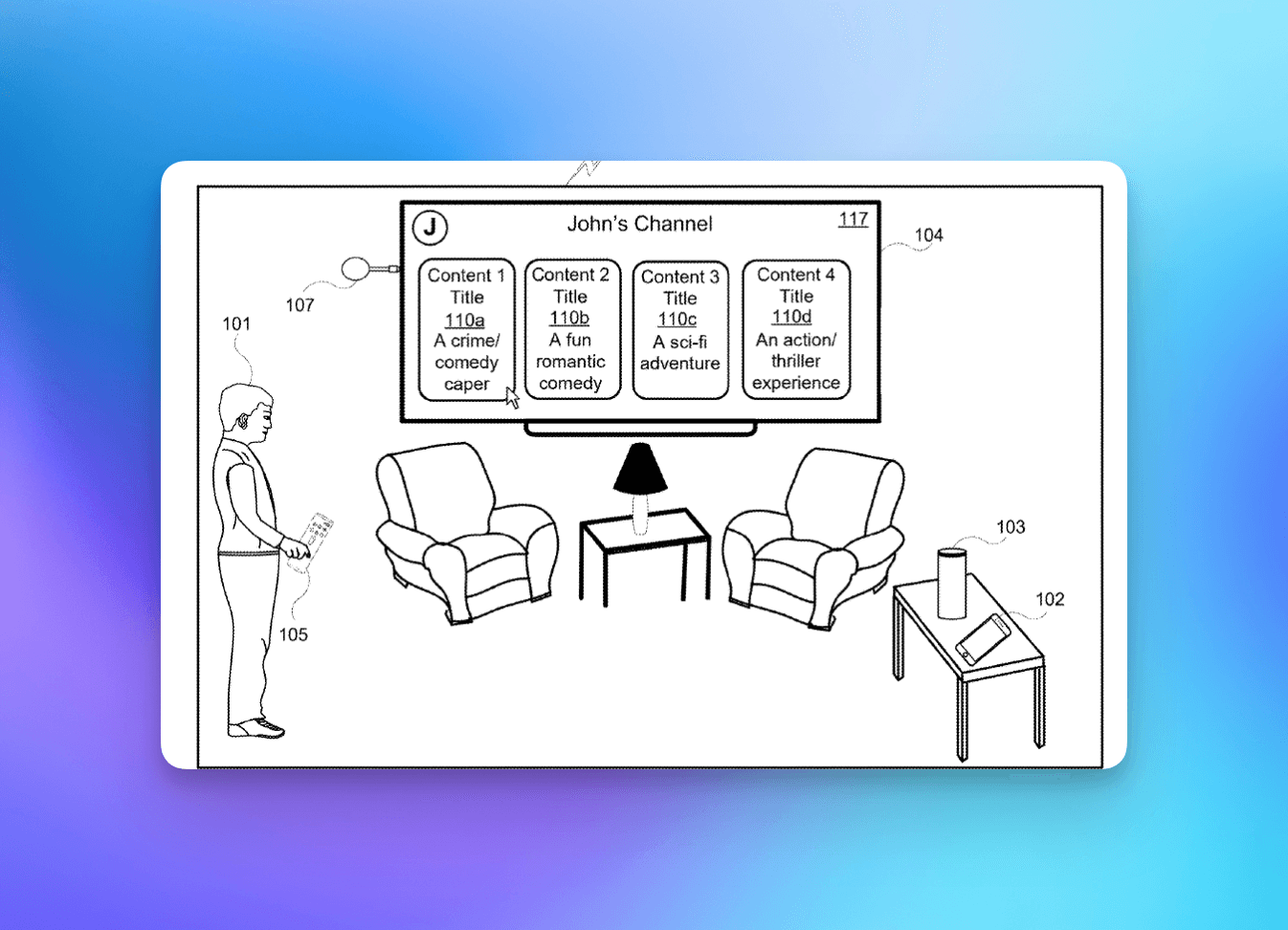
Google has been developing concepts for a 24/7 television channel powered by generative AI, one where the programming itself is built around the individual viewer. Rather than a fixed broadcast schedule, the idea involves content that shifts and adapts based on who is watching - effectively making the viewer a central figure in the narratives being generated in real time.

The proposal pairs this personalized content with customized advertising, meaning the commercial breaks would be tailored to the viewer just as much as the shows themselves. This tight coupling of content and ads reflects a logical extension of how Google already operates across its existing products, where user data informs what people see at nearly every touchpoint.

From a technical standpoint, the concept would require sustained, coherent long-form video generation - something current generative video models are still working toward. Most publicly available tools handle clips of seconds to a minute or two with reasonable consistency, but maintaining character continuity, narrative logic, and visual coherence across hours of programming is a substantially harder problem. Whether Google has internal models capable of approaching this, or whether the concept is further out on the roadmap, is not entirely clear.

The broader implications touch on several ongoing conversations in media and technology. Personalized AI content blurs the line between entertainment and behavioral targeting in ways that go beyond what streaming recommendation algorithms currently do. Rather than suggesting what to watch next, a system like this would construct the content itself around a viewer's profile. That raises questions about transparency, data use, and what it means for media to be genuinely shared cultural experience when every person's channel looks different.

Read at 404 Media →
Share:X

Enjoy this story? Get the next one in your inbox.

Twice a week: the most important stories in generative image and video AI, distilled into a 2-minute read.

Free. Unsubscribe any time. No spam, ever.

Your next read

Video

Taking Trainium3 to the Track: Generating Videos with LTX-2.5

Hugging Face has published a walkthrough of running LTX-Video 2.5, a leading open video generation model, on AWS Trainium3 accelerators. The post explores how Amazon's latest AI training chip holds up against more familiar GPU-based workflows for diffusion-based video synthesis. It offers a practical look at an emerging hardware option for teams working with open-source generative video tools.

AI-Generated Characters Are Stealing Content Creators’ Viral Videos
Video

AI-Generated Characters Are Stealing Content Creators’ Viral Videos

Content creators are reporting a growing trend of their viral videos being recreated with AI-generated characters swapped in to replace them - keeping nearly everything else intact. The copies closely mimic original videos in format, pacing, and content, raising serious questions about attribution and consent. This emerging practice sits in a legal and ethical gray area that platforms have yet to meaningfully address.

David Fincher is being dragged for suspected use of AI in his latest film
Video

David Fincher is being dragged for suspected use of AI in his latest film

David Fincher's upcoming Netflix film, The Further Mis-Adventures of Cliff Booth, is facing scrutiny after early screenings left some viewers questioning whether generative AI was used in its production. Critics and moviegoers have pointed to visual inconsistencies that feel out of place for a director known for meticulous, technically precise filmmaking. The film, a sequel to Quentin Tarantino's Once Upon a Time in Hollywood starring Brad Pitt, is set to premiere on November 25th.