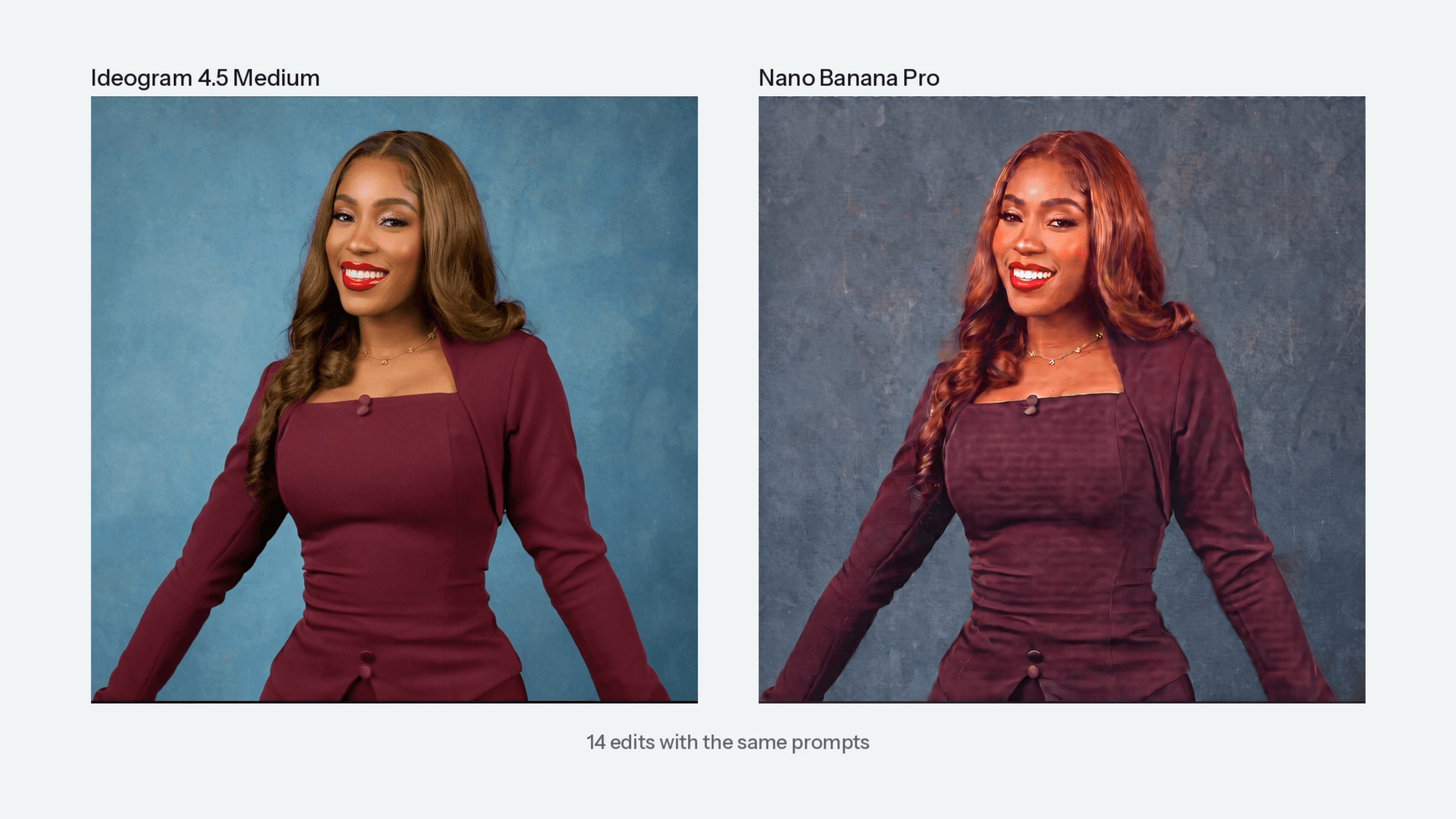
Google will now allow users to remove visible watermarks from AI content
Google has announced a policy change that allows users to remove the visible watermarks that have previously been applied to AI-generated content produced through its platforms. The move gives users more control over the appearance of their output, while the company maintains that its deeper layer of identification will not be affected by the change.
The key distinction here is between visible and invisible watermarking. Visible watermarks are the on-screen logos or labels that identify content as AI-generated at a glance. SynthID, Google's proprietary invisible watermarking technology developed by Google DeepMind, works differently - it encodes identifying information directly into the pixels of an image or the structure of other media types in a way that is imperceptible to the human eye but detectable by compatible tools. SynthID has been gradually extended beyond images to audio, video, and text since its initial rollout.
By allowing visible watermark removal while keeping SynthID intact, Google is effectively separating the cosmetic layer of AI disclosure from the technical one. This matters for provenance and accountability - even if a piece of content no longer carries an obvious visual label, the embedded SynthID signal can still, in principle, identify it as AI-generated when passed through a detection system. Whether that detection infrastructure is widely accessible enough to make SynthID meaningful in practice remains an open question, particularly as AI-generated content circulates across platforms that have no integration with Google's tools.
The change reflects a broader tension in the AI content space between user experience and transparency. Visible watermarks can feel restrictive for creators who want to use AI-generated media in polished or commercial contexts, but removing them without any fallback identification raises concerns about the spread of unlabeled synthetic content. Google's approach here is a middle ground - trusting the invisible layer to carry the accountability burden, while easing the friction that comes with persistent on-screen labeling.