Here’s the problem with putting an AI image generator in Google Earth

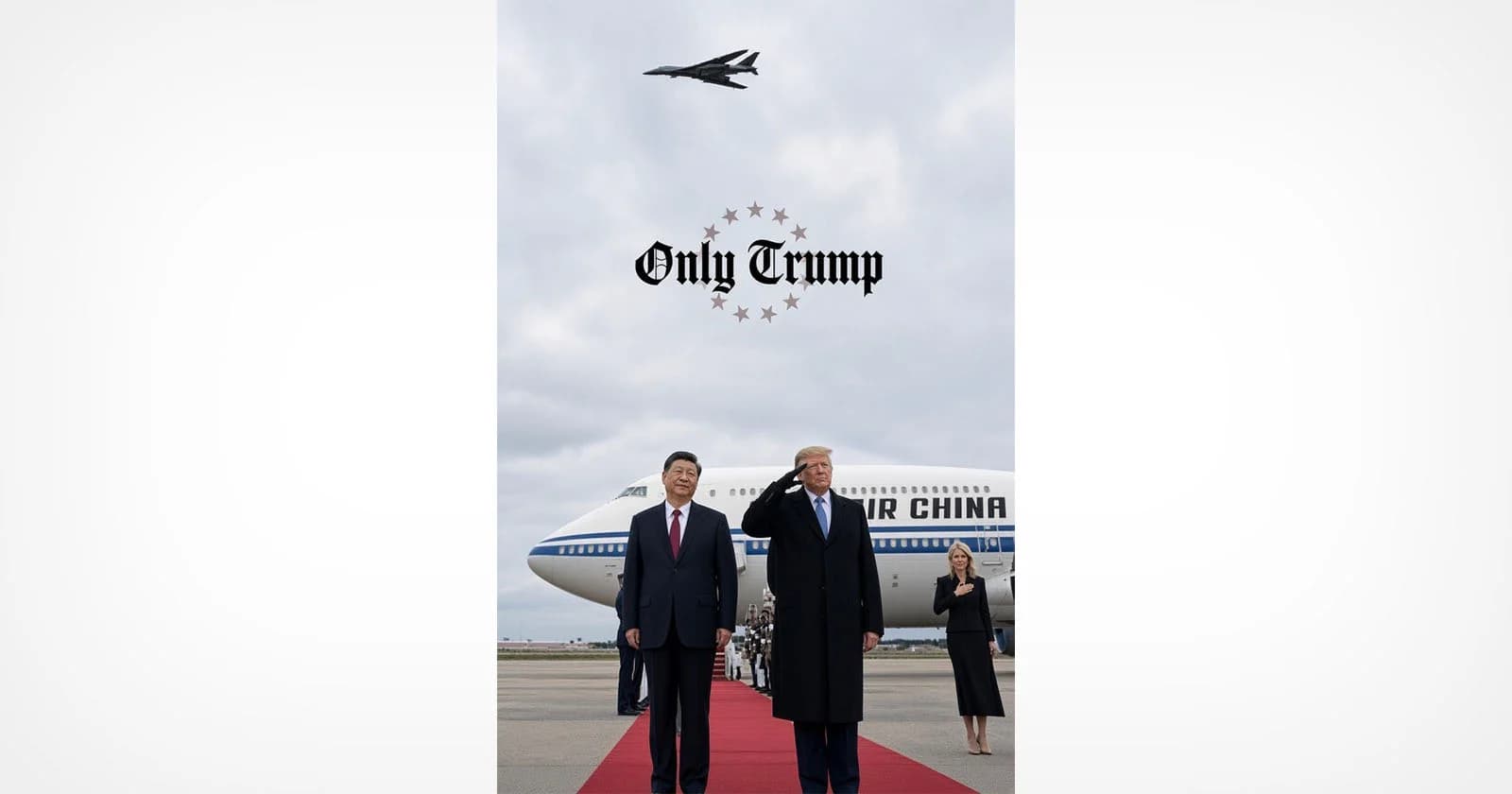
Google Earth has added an AI image generation feature called Nano Banana, which allows users to combine text prompts with the platform's satellite, aerial, and 3D imagery to produce synthetic visuals grounded in real geographic data. The result is a tool that can make fabricated scenes look far more plausible than standard AI image generators, because the underlying geography is drawn from actual locations.
The concern became concrete quickly. Henk van Ess of Digital Digging used the feature to generate images depicting refugees near the Mexican border and a bomb crater alongside a hospital in Gaza - neither scene real, but both rendered with the kind of locational specificity that lends false credibility. These types of images touch on active geopolitical flashpoints where misinformation can have serious consequences, and the ease of creating them with a simple text prompt is what makes the tool particularly notable.
Google has defended the feature by pointing to SynthID, its digital watermarking system, which it says is embedded in every image produced through Nano Banana. The company also noted the "@verifyai" tag as an additional layer of transparency, and suggested users who are uncertain about an image's authenticity can check it through the Gemini app or via Google Lens in Search. SynthID is a steganographic watermark - meaning it is embedded invisibly within the image data itself - designed to survive common modifications like screenshots and crops, though its robustness under more deliberate manipulation is an ongoing area of scrutiny.
The broader issue is one of friction, or the lack of it. Watermarks help downstream verification, but they rely on viewers knowing to look, having access to the right tools, and encountering the image before it has been stripped or re-shared in ways that obscure its origins. Placing generative AI directly inside a platform built on trusted geographic data shortens the distance between intent and a convincing fake considerably - and that gap is where most misinformation does its damage.