I Turned Jordan Drake Into a Knight Using ChatGPT’s New Image Model
OpenAI has updated the image generation model available within ChatGPT, with improved faithfulness to source photographs as a central focus of the change. The update appears aimed at closing a gap that has long frustrated users - earlier versions of the model would often drift noticeably from the appearance of a person shown in a reference image, producing results that felt only loosely inspired by the original rather than grounded in it.
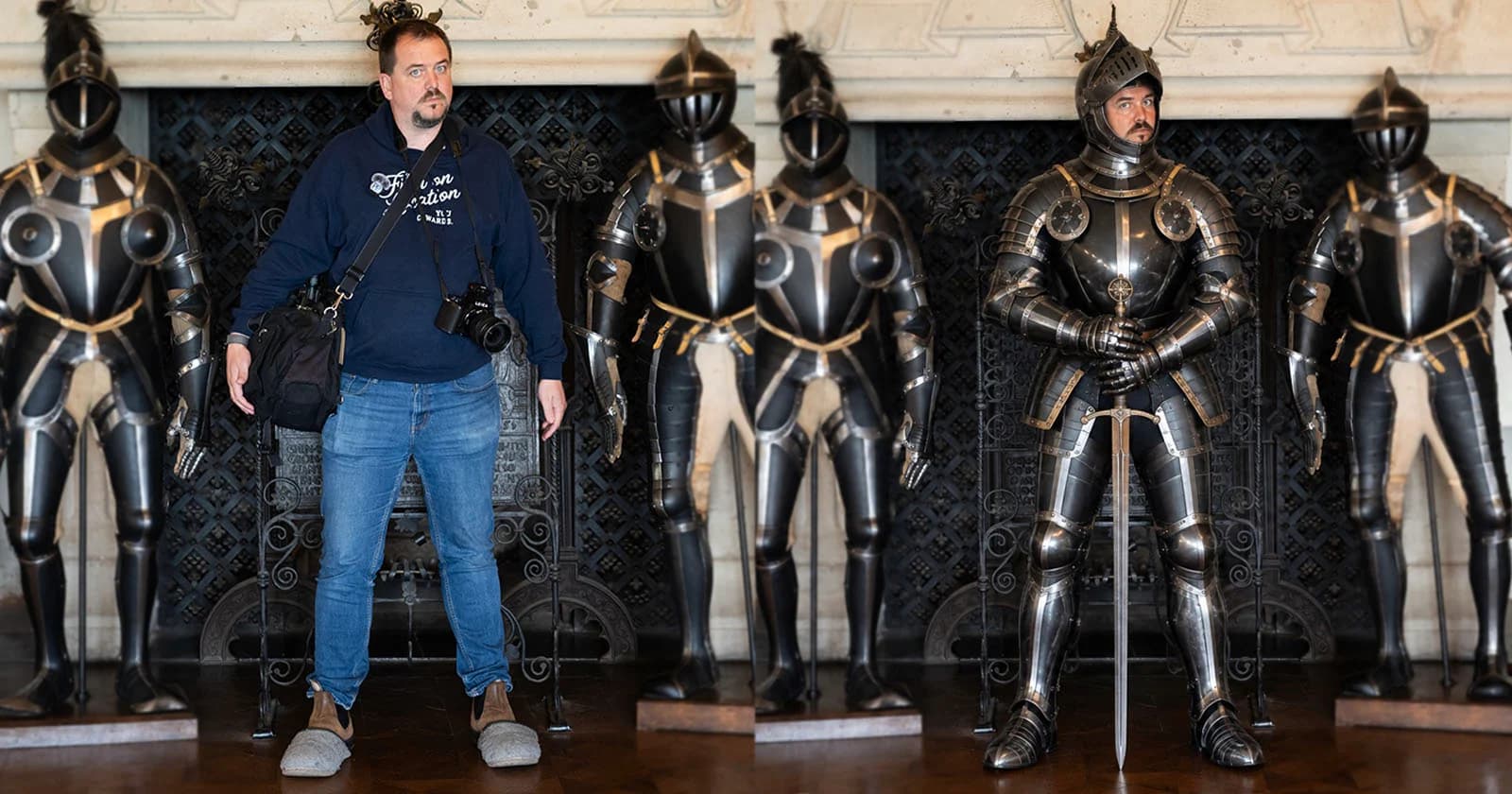
To test the claim, PetaPixel used the updated model to reimagine one of their own staff members, Jordan Drake, as a medieval knight. This kind of portrait-to-fantasy transformation is a common benchmark for image AI tools, since it requires the model to preserve recognizable facial features while applying a substantial visual style change. It is a harder task than it might appear, because the model must balance two competing pressures - staying true to the source likeness while also committing convincingly to the new aesthetic.
The exercise is part of a broader wave of hands-on evaluations that followed OpenAI's image model updates earlier this year. Those updates, which introduced the model now accessible directly inside ChatGPT, drew attention for improved instruction-following and better handling of text within images. Likeness preservation in photo-based prompts is a natural next frontier, and one that carries real implications for portrait photographers, content creators, and anyone who wants to place a real person into a generated scene.
How well the updated model actually performs on likeness tasks is something reviewers are still working through, and results can vary depending on the quality and framing of the source photo. PetaPixel's test provides one concrete data point, using a known subject and a clear before-and-after comparison. As these tools continue to improve, the line between photo editing and AI image generation is becoming harder to draw.