
Instagram Pushes AI Video of Film Crew Shooting Miami Disaster to 700 Million Views
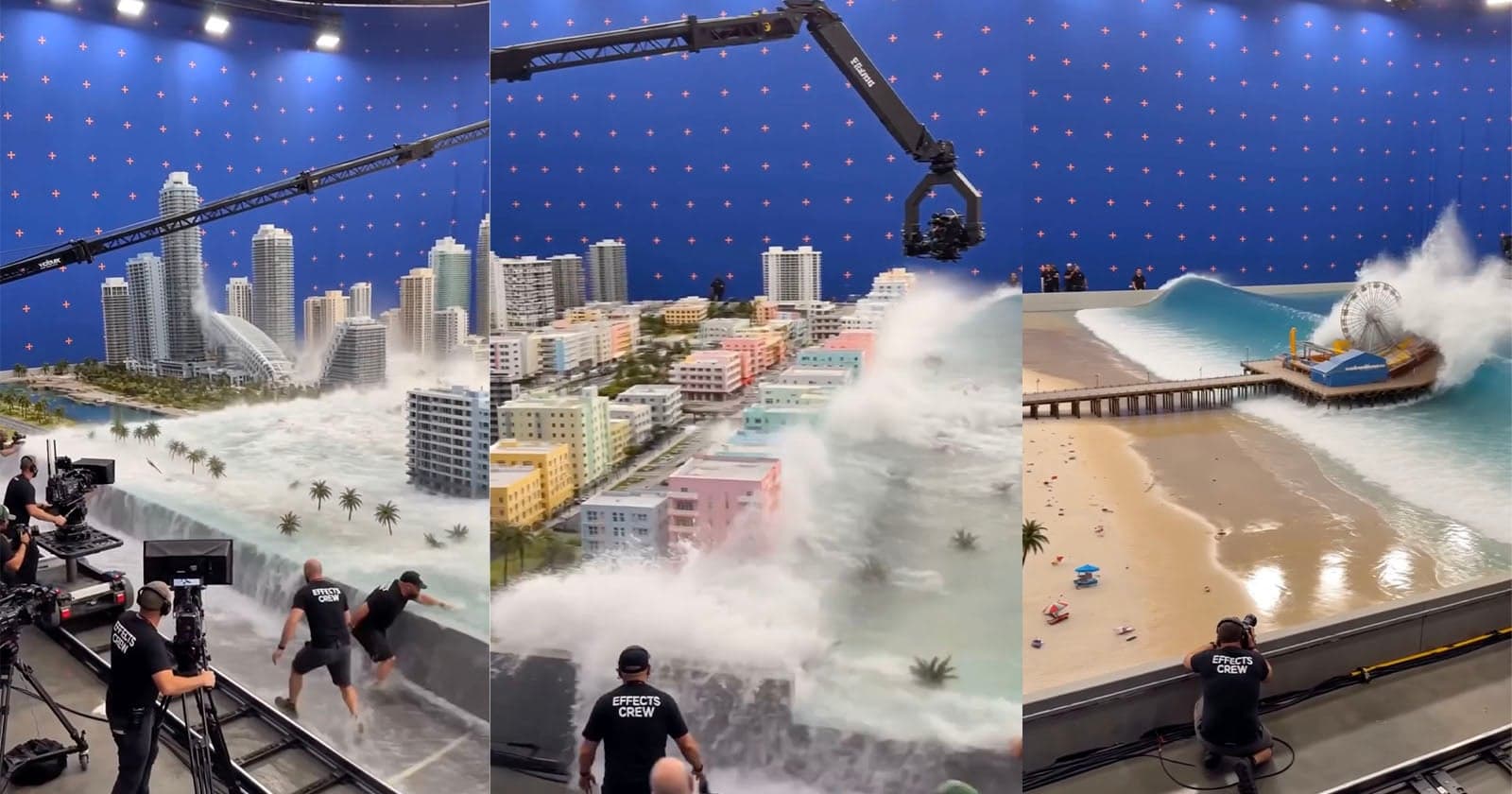
A video generated entirely with AI tools, depicting a miniature version of Miami being overwhelmed by a giant wave while a staged film crew captures the destruction, has reached an extraordinary 700 million views on Instagram. The clip's spread has drawn attention not just because of the scale of its virality, but because of the apparent role Meta's own recommendation algorithm played in pushing it to such a wide audience.
The video belongs to a growing genre of AI-generated disaster content - scenes that combine realistic-looking destruction with a self-referential twist, such as the fictional crew conceit here. This kind of framing can create a layer of ambiguity: some viewers may read it as obvious creative fiction, while others, scrolling quickly, could mistake the imagery for footage of a real event or at least feel uncertain. Miami, as a coastal city with a well-documented vulnerability to flooding and hurricanes, is a particularly loaded choice of setting.
The concern raised by critics is less about the video itself and more about how it spread. Instagram's content recommendation systems - which surface Reels to users who have not followed the original account - appear to have actively amplified the clip at scale. Meta has, over the past couple of years, leaned heavily into AI-generated content on its platforms, and has introduced labeling policies requiring creators to disclose when realistic-looking content is AI-made. Whether those labels were present here, or whether they appeared prominently enough to give viewers adequate context, remains a relevant question.
The episode touches on a broader tension in the generative video space: as tools for creating photorealistic synthetic footage become more accessible, platforms face growing pressure to decide how aggressively to distribute it and what responsibilities come with that reach. Disaster imagery - floods, fires, collapses - tends to perform strongly on social media, and AI now makes such scenes cheap and fast to produce. How recommendation systems respond to that incentive will likely shape public trust in online video for years to come.
