Man Faces Up to 10 Years In Prison After Sharing AI Image of a Crocodile
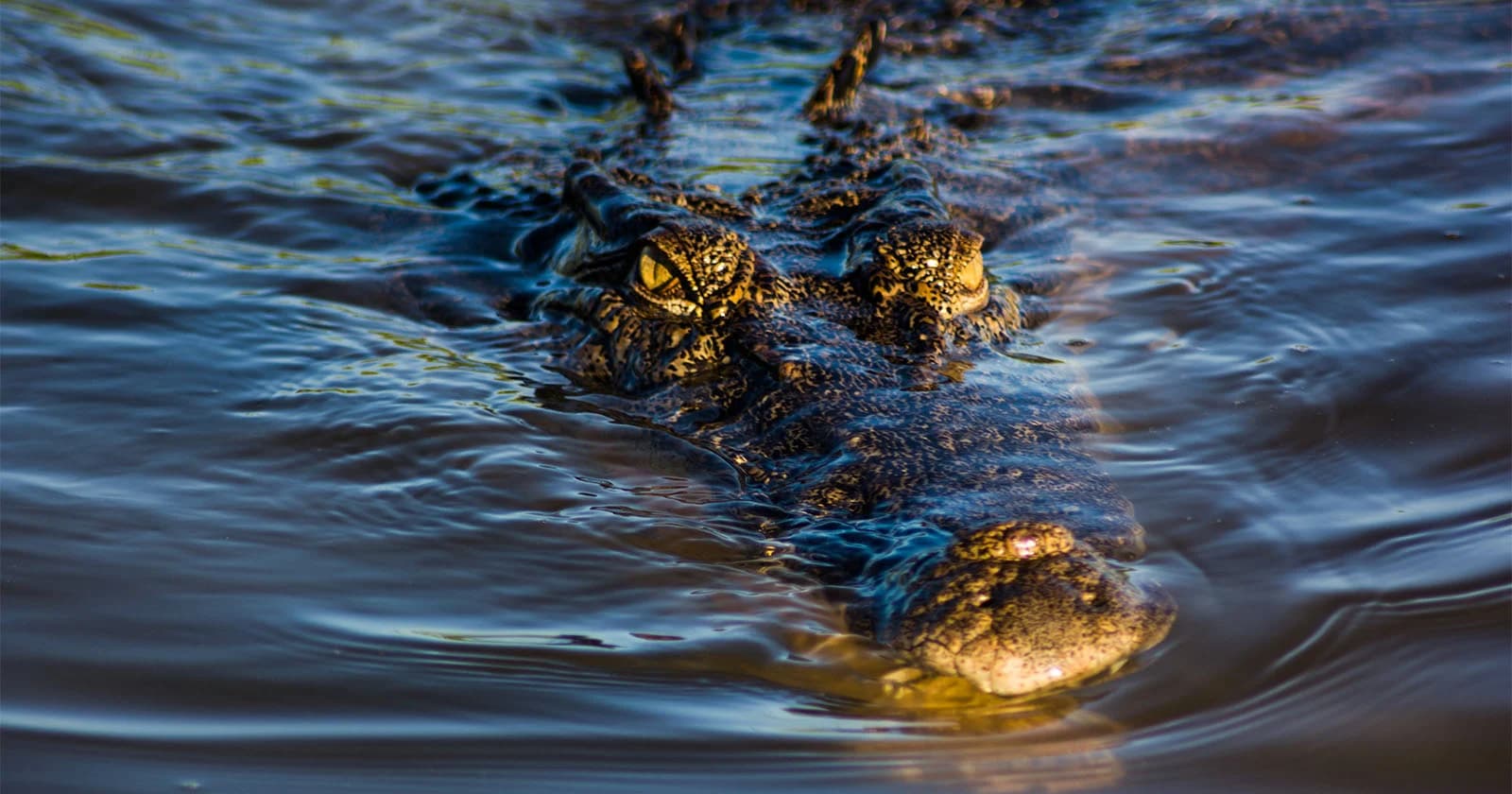
Singaporean authorities have arrested and charged a man for allegedly posting an AI-generated image showing a saltwater crocodile swimming in a public water area. The image, which was fabricated rather than photographed, was shared in a way that reportedly caused public concern - drawing a response from law enforcement that underscores how seriously officials are treating the spread of misleading AI imagery.
The charge likely falls under Singapore's laws prohibiting the communication of false messages or public mischief, which carry severe penalties. Depending on the specific statute applied, the man could face up to 10 years in prison. Singapore has a track record of enforcing such laws strictly, and this case appears to be one of the first to test their application specifically to generative AI content.
The incident raises broader questions about how jurisdictions will handle AI-generated images that are realistic enough to cause genuine alarm. Saltwater crocodiles are occasionally spotted in Singapore's waterways, which lends a degree of plausibility to such an image and may have contributed to the public reaction. That plausibility - a direct consequence of how convincingly modern image generators can render animals and environments - is likely central to the prosecution's case.
For the generative AI community, the case serves as a concrete reminder that the legal consequences of sharing fabricated imagery extend well beyond copyright or defamation. Even images depicting animals or environments, rather than people, can fall under criminal statutes if they are judged to have caused public disruption or fear. As AI image tools become more accessible, legal systems around the world are beginning to catch up - and Singapore's case may set an early precedent for how far that liability can reach.