Meta gives its Muse AI agent video avatars, email addresses, and Mac control

At Meta Connect 2026, the company outlined a substantial expansion of Muse, its AI agent platform. The headline additions include video avatars that give Muse a visible, animated face during interactions, personal email addresses that allow the agent to send and receive messages on a user's behalf, and Mac computer control that lets it navigate and operate macOS applications autonomously.
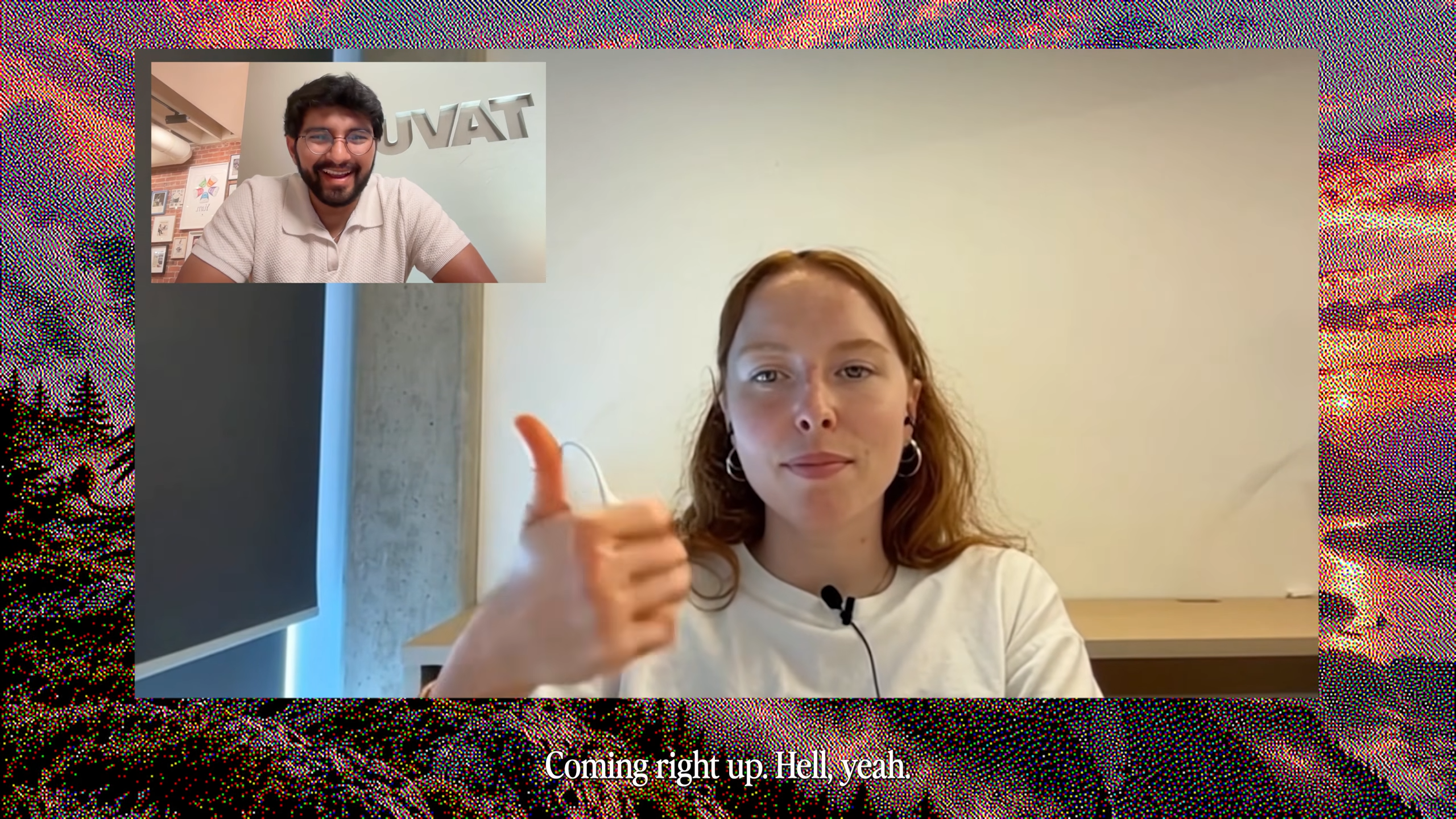
The video avatar feature is a notable shift in how users are expected to relate to AI agents - moving from text or voice interfaces toward something that more closely resembles a person on a call. This kind of embodiment has been explored by several AI companies, but integrating it directly into an agent that also manages files, emails, and system-level tasks marks a meaningful step in combining presence with utility.
Mac control places Muse in direct competition with similar computer-use capabilities offered by Anthropic's Claude and OpenAI's Operator product. The ability for an agent to observe a screen, interpret its contents, and take actions such as clicking, typing, or opening applications is technically demanding and raises practical questions around security and user oversight. Meta's approach to sandboxing these interactions - and how much visibility users retain over what the agent does - will be a key factor in adoption.
The email address feature extends Muse's reach into asynchronous communication, allowing it to handle correspondence without requiring the user to be present. Combined with the other updates, Meta appears to be building toward an agent that can maintain a continuous presence across a user's digital life rather than waiting to be prompted. New hardware announced at the event is expected to complement these software capabilities, though the specific devices and their integration with Muse were not detailed in initial reports.