New York Seizes 12 Celebrity Deepfake Websites
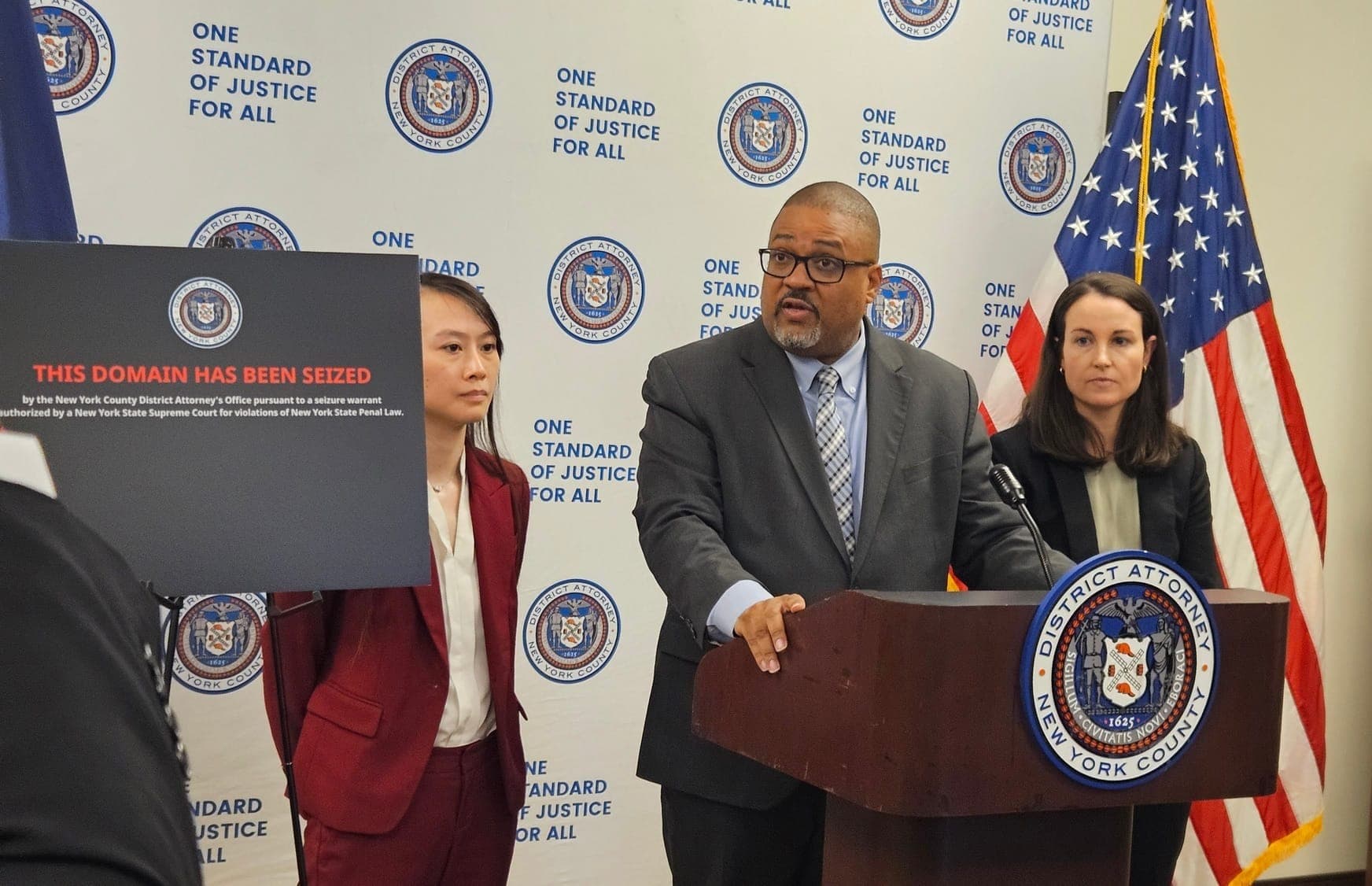
New York District Attorney Alvin Bragg announced on Monday that his office had seized 12 websites dedicated to hosting non-consensual deepfake sexual imagery of celebrities and other public figures. Speaking at a press conference, Bragg said the sites contained depictions of approximately 1,200 individuals rendered in what he called "hyper-realistic" sexual imagery - content generated without the knowledge or consent of those depicted.
The seizures represent a notable escalation in how U.S. law enforcement is treating the proliferation of AI-generated non-consensual intimate imagery (NCII). While federal legislation specifically targeting deepfake pornography has moved slowly through Congress, district attorneys and state-level prosecutors have increasingly looked to existing statutes - covering fraud, identity theft, and harassment - to pursue operators of these platforms.
The scale of the operation is worth noting. Twelve domains taken down in a single coordinated action, combined with the breadth of 1,200 named individuals, signals that prosecutors are building capacity to target not just individual bad actors but the infrastructure that makes this content widely accessible. Deepfake generation tools have become significantly more capable and easier to use over the past two years, lowering the barrier for creating convincing synthetic imagery and fueling a growth in sites that aggregate or produce such content commercially.
The broader context here matters for the generative AI industry as well. As image and video synthesis tools grow more capable, the legal and regulatory environment around their outputs is tightening. Actions like this one in New York add pressure on platform operators, hosting providers, and potentially tool developers to consider how their products are used. For those targeted by this kind of content, the DA's action offers a concrete - if still limited - example of what accountability can look like at the state level.