
New York Times Prohibits Photographers From Using Photoshop 2027
Adobe's Photoshop 2027 (version 28.0.0) arrived with a notable expansion of AI-driven features, deepening the integration of generative tools into what has long been the industry-standard application for image editing. For many photographers, the update represents a continued shift in what Photoshop is - moving from a precision retouching and compositing tool toward something that can generate and manipulate image content in ways that go well beyond traditional darkroom-style corrections.
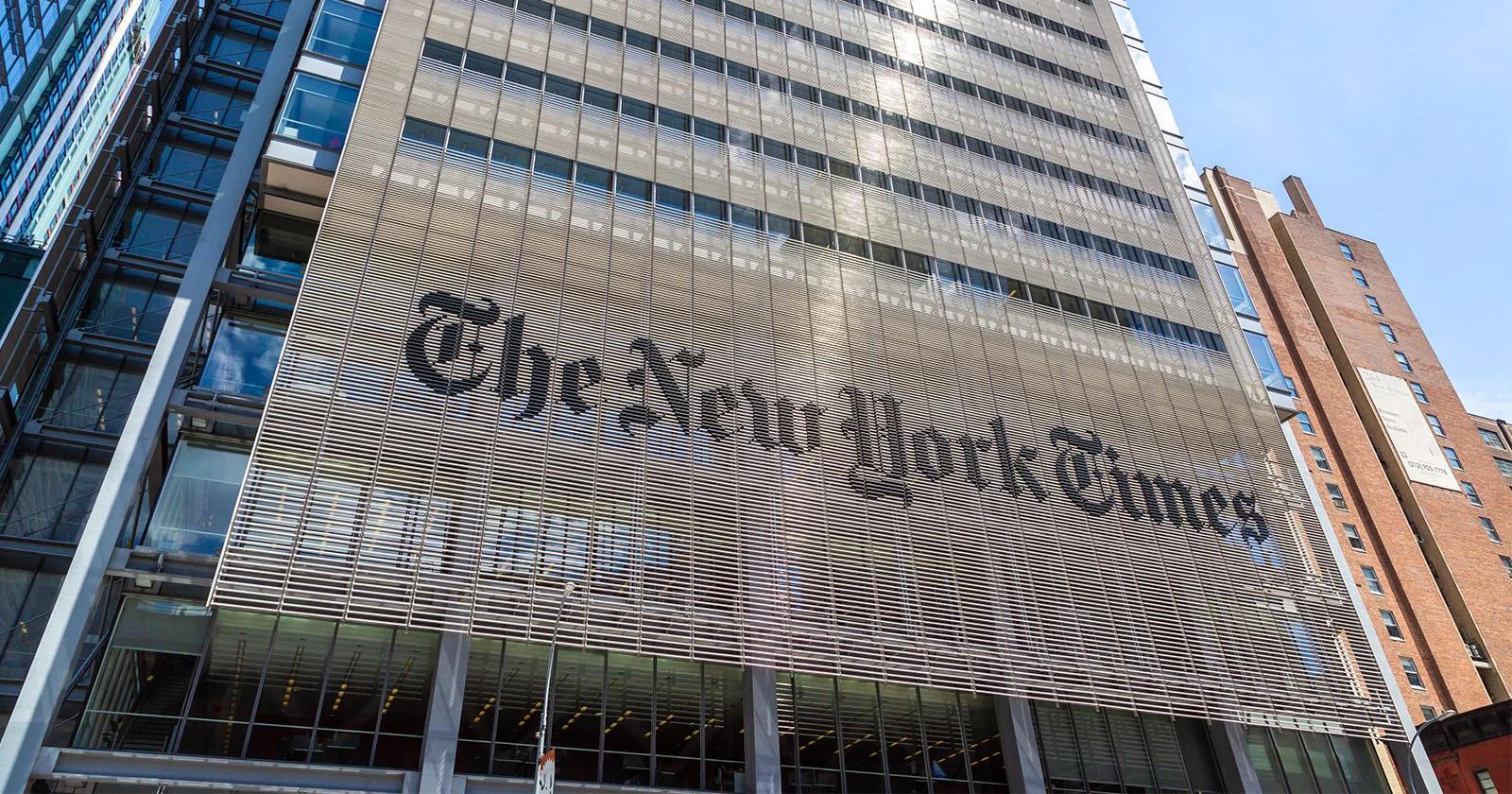
The New York Times has responded by banning its photographers from using the new version of Photoshop. The decision places the Times among news organizations that are actively drawing boundaries around AI-assisted image tools, particularly as those tools become capable of altering or synthesizing visual content in ways that could compromise the factual record. Photojournalism has always operated under strict ethical guidelines around manipulation, and the concern is that generative AI features - even when used subtly - blur the line between documentation and fabrication.
This is not entirely new territory. Debates over Photoshop's role in photojournalism stretch back decades, with organizations like World Press Photo maintaining detailed rules about what constitutes acceptable post-processing. What has changed is the scale and accessibility of AI-powered manipulation. Features that once required significant technical skill or separate specialized software are now embedded directly into a tool photographers use daily, raising the stakes for editorial policy decisions.
The Times' policy shift is likely to prompt similar conversations at other outlets. As Photoshop and competing applications continue to deepen their generative AI capabilities, news organizations will face increasing pressure to define - and enforce - clear standards. For working photojournalists, the practical implication may be a turn toward older software versions or alternative tools that offer editing capabilities without the generative AI layer that has made Photoshop 2027 a sticking point.
