Now that Generative AI Is the Villain, Luminar Is Spinning Its Messaging
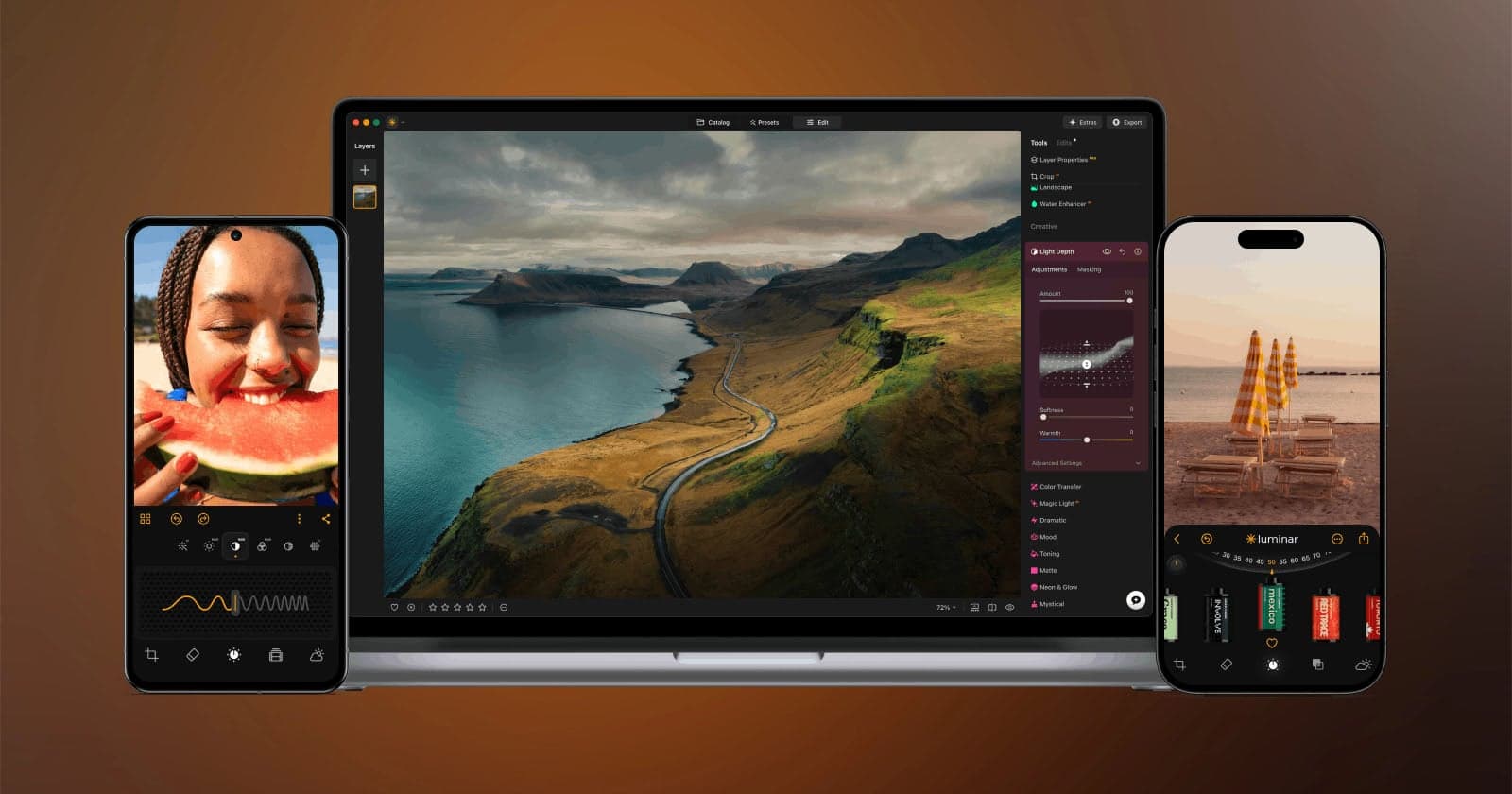
Skylum has long positioned Luminar as a flagship example of AI-driven photo editing, using machine learning tools for tasks like sky replacement, portrait retouching, and scene enhancement. For several years, leading with "AI" was a straightforward marketing advantage - it signaled speed, automation, and modernity. That calculus appears to be changing.
As generative AI has become more closely associated in the public mind with copyright disputes, job displacement, and the erosion of creative authenticity, the word itself has taken on negative connotations in creative communities. Photographers, illustrators, and artists have been among the most vocal critics, making them a difficult audience for any company whose brand identity is built around AI tooling.
Skylum's response is to shift its messaging away from AI as the headline feature and toward the human photographer as the central figure. The framing emphasizes that Luminar's tools exist to serve the artist's intent rather than replace it - a distinction the company is now making more explicitly in how it communicates with customers. This kind of repositioning is less about changing the software itself and more about changing the story told around it, acknowledging that the same features land differently depending on how they are introduced.
The move reflects a broader pattern forming across the creative software industry. Companies that integrated AI features during a period of enthusiasm are now navigating a more complicated reception, particularly among professional and enthusiast users who feel their craft is under pressure. Whether Skylum's messaging adjustment is enough to rebuild trust - or whether it reads as a transparent pivot - will likely depend on how authentically the company follows through in its product decisions alongside its public statements.