Parents Are Using AI to Create Their Kids’ School Photos Instead of Paying Photographers
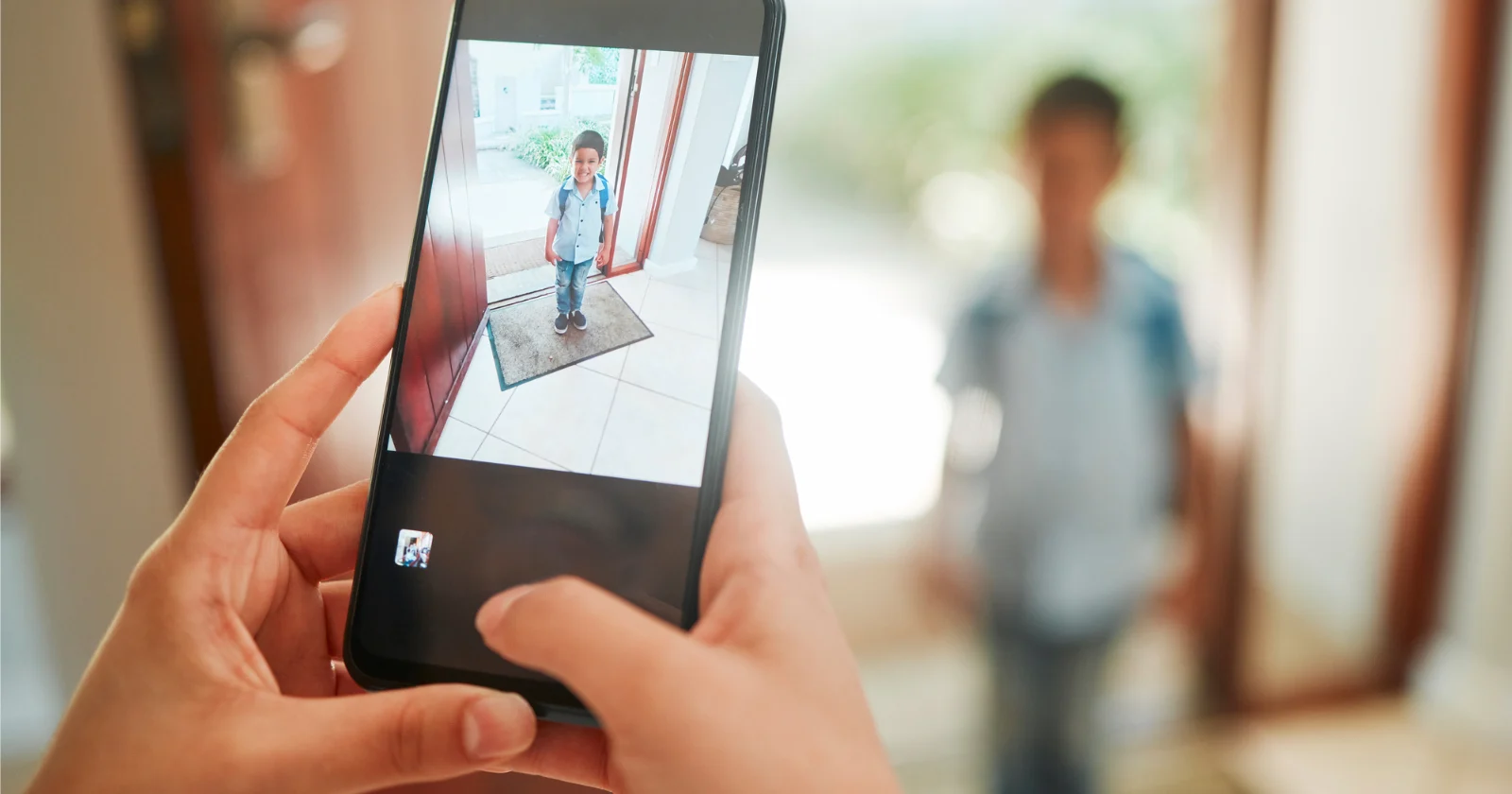
School portrait photography has long been a reliable revenue stream for professional photographers, with annual or semester shoots contracted through schools and packages sold directly to families. That model is now facing pressure from a new direction - parents who are turning to AI image generation tools to produce comparable results at little to no cost.
The practice takes two main forms. Some parents are uploading reference photos of their children and using generative AI tools to produce polished, portrait-style images that mimic the look of traditional school photos. Others are taking a more direct route, using AI-powered tools to strip watermarks from low-resolution proof images provided by photographers, effectively obtaining the final product without paying for it.
Both approaches cut photographers out of the transaction entirely. School portrait work is often handled by specialist studios that operate on tight margins, relying on volume sales to make the business viable. When families opt out - whether through AI generation or watermark removal - the financial impact compounds quickly across a shoot. Beyond the economic dimension, watermark removal in particular raises clear legal questions, as it likely constitutes copyright infringement in most jurisdictions regardless of the technology used to accomplish it.
The broader context here is the rapid improvement of AI image generation when it comes to realistic human portraits. Tools that once struggled with faces and fine detail have become significantly more capable, making it plausible for a non-technical user to produce a convincing school photo with minimal effort. For the photography industry, this represents a shift that goes beyond simple price competition - it introduces a category of substitution that did not exist even two or three years ago, and one that is likely to become more accessible over time.