Photography Gallery’s Decision to Exhibit AI Images Sparks Anger
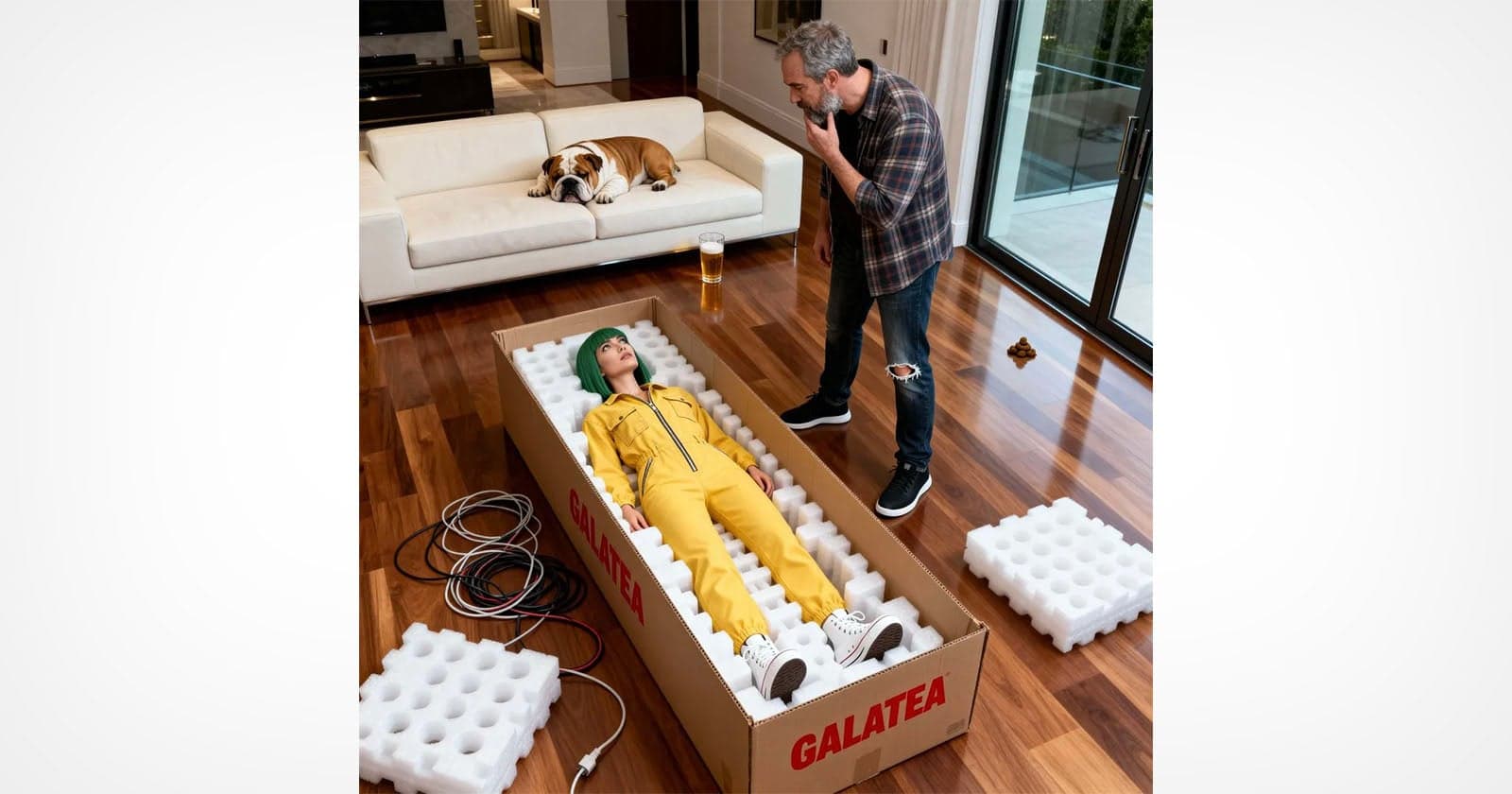
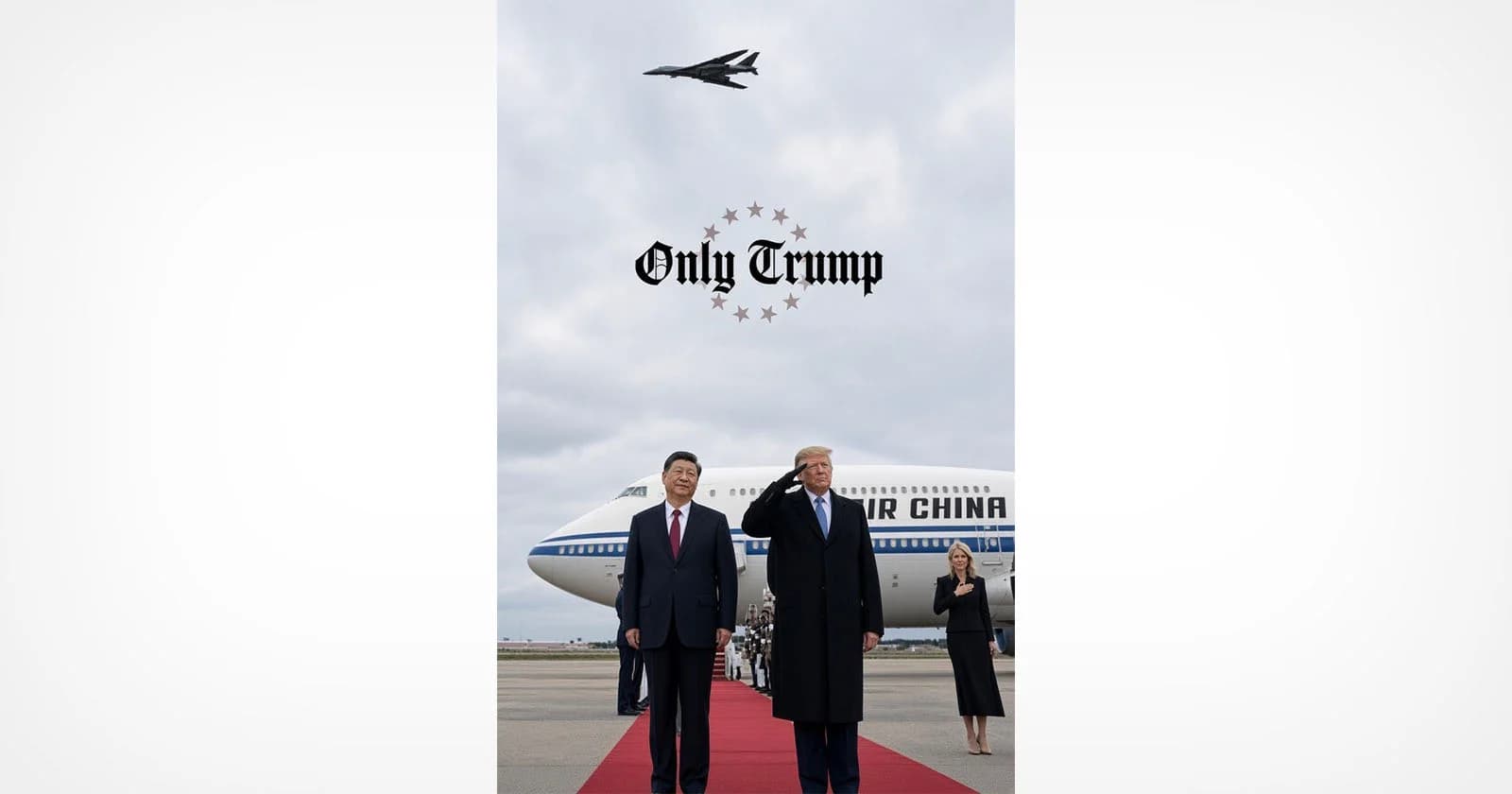
A photography gallery in Belfast has become the latest flashpoint in the ongoing argument over AI-generated imagery in traditional art spaces. The controversy arose after one artist in a group exhibition submitted a series of AI images, prompting backlash from photographers and observers who feel that galleries dedicated to photography should maintain a clear distinction between lens-based work and AI generation.
The core of the criticism centers on questions of category and representation. Photography, as a medium, carries specific connotations - it involves a camera, a human behind it, and a set of deliberate choices made in the physical world. When AI-generated images appear in a photography context without clear disclosure or distinction, many practitioners feel it blurs a line that matters both professionally and artistically. For working photographers, the concern is not only aesthetic but also practical, as exhibition slots and institutional recognition are limited resources.
This is not an isolated incident. Galleries, competitions, and publications around the world have been wrestling with how to handle AI imagery as the technology has become more accessible and the outputs increasingly photorealistic. Some institutions have responded by explicitly banning AI entries from photography categories, while others have opted to create separate classifications. The Belfast case suggests that even well-intentioned inclusivity on the part of a gallery can land badly when the community feels its medium is being redefined without its input.
What makes these disputes difficult to resolve is that there is no single governing body for photography that sets binding rules, leaving each gallery or competition to establish its own policy. The Belfast gallery has not yet indicated whether it will revise its submission guidelines for future exhibitions. How institutions choose to handle that policymaking - and how transparently they communicate it to both artists and audiences - will likely determine how much trust they retain with the photography community going forward.