Photos of ‘Cat in the Hat Serial Killer’ Are AI-Generated, Police Say
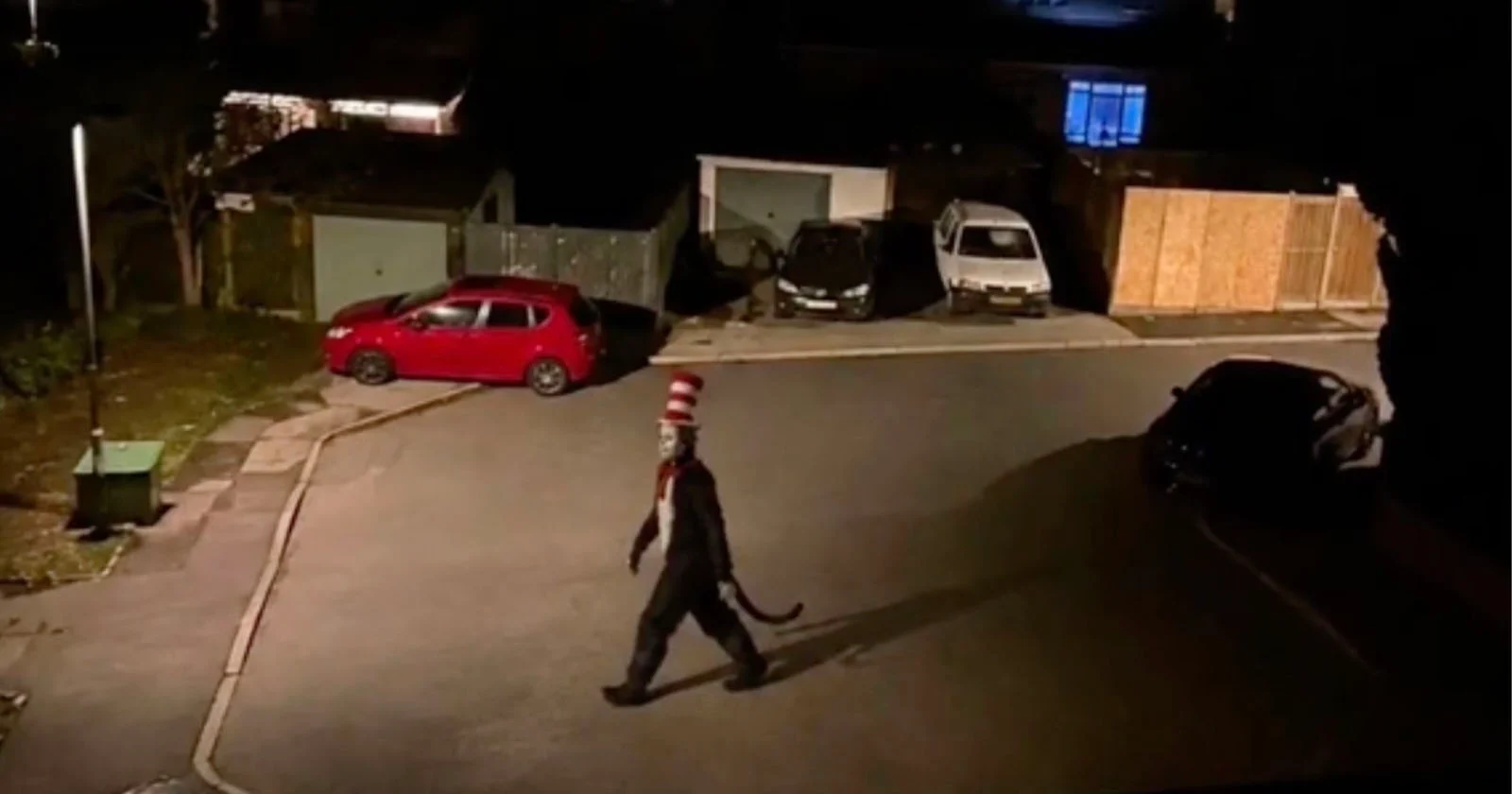
Police forces across the U.K. and Ireland found themselves in an unusual position this week, issuing formal statements to reassure the public that a so-called "Cat in the Hat Serial Killer" does not exist. The warnings came in response to a wave of AI-generated photos and videos circulating on social media, depicting a figure resembling the iconic Dr. Seuss character in contexts designed to look like genuine crime documentation. The imagery was convincing enough that it prompted real concern among some members of the public.
The incident is one of the more striking recent examples of AI-generated content causing demonstrable, real-world confusion that requires an official response. While the subject matter is darkly absurd, the underlying dynamic is serious: realistic synthetic media, produced with widely accessible generative AI tools, spread faster than corrections can follow. The fact that law enforcement felt compelled to weigh in underscores how the threshold for public alarm has shifted as the visual quality of generated imagery has improved.
From a technical standpoint, the content likely draws on the kind of image and video generation models that have become broadly available over the past few years - tools capable of combining recognizable character aesthetics with photorealistic or documentary-style framing. The Cat in the Hat's highly distinctive design, tall striped hat and all, makes it a relatively simple prompt target, and the contrast between the whimsical source material and violent framing probably contributed to the content's spread.
The episode also puts a spotlight on how platforms and the public are still adjusting to a media environment where synthetic imagery is routine. Authorities in both countries used straightforward, even wry language in their statements - acknowledging the absurdity while making the correction plainly. Whether that kind of direct communication scales as a strategy for countering AI-generated misinformation remains an open question, but for now, the official record is clear: the Cat in the Hat is a fictional character, and the photos are not real.