Powering the world’s first AI arts museum
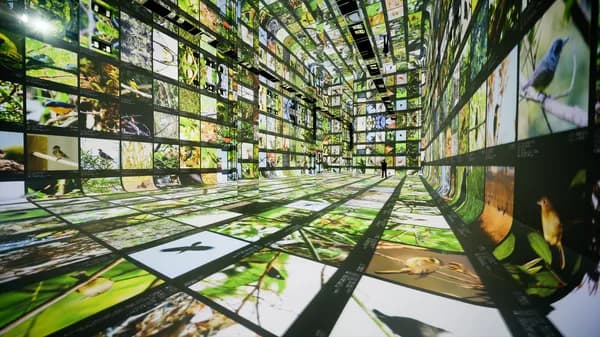
Rafik Anadol Studio has opened Dataland, described as the world's first museum dedicated entirely to AI arts. The project is powered by Google Cloud and backed by Google Arts & Culture, signaling a growing interest from major tech institutions in supporting AI-driven creative work at a cultural scale.
Rafik Anadol is a media artist and director known for large-scale data sculptures and immersive installations that use machine learning to process and visualize vast datasets - works that have appeared on the facades of buildings and inside major institutions around the world. Dataland extends that practice into a permanent museum context, giving generative AI art a dedicated home rather than treating it as a temporary exhibition or a novelty within a broader program.
The involvement of Google Cloud points to the significant compute demands that underpin this kind of work. AI art installations at the scale Anadol's studio operates require continuous processing of large datasets, real-time rendering, and reliable infrastructure to keep experiences running for museum visitors. Google Arts & Culture, which has previously partnered with institutions to digitize collections and make art more accessible online, adds a layer of cultural legitimacy and outreach capability to the project.
Dataland's opening raises broader questions about how the art world categorizes and contextualizes work made with generative AI tools. By framing it within a museum dedicated specifically to the medium, Anadol and his collaborators are making an argument that AI arts constitute a distinct field worthy of its own institutional home - rather than a subset of digital or media art more generally. Whether the museum model proves durable for a field that moves as quickly as generative AI remains to be seen, but Dataland sets a visible precedent for others to follow.