gen‑ai.news
← Back
Video

Runway News | How BBC Studios Brought a Live AI Avatar to Broadcast Television for the First Time
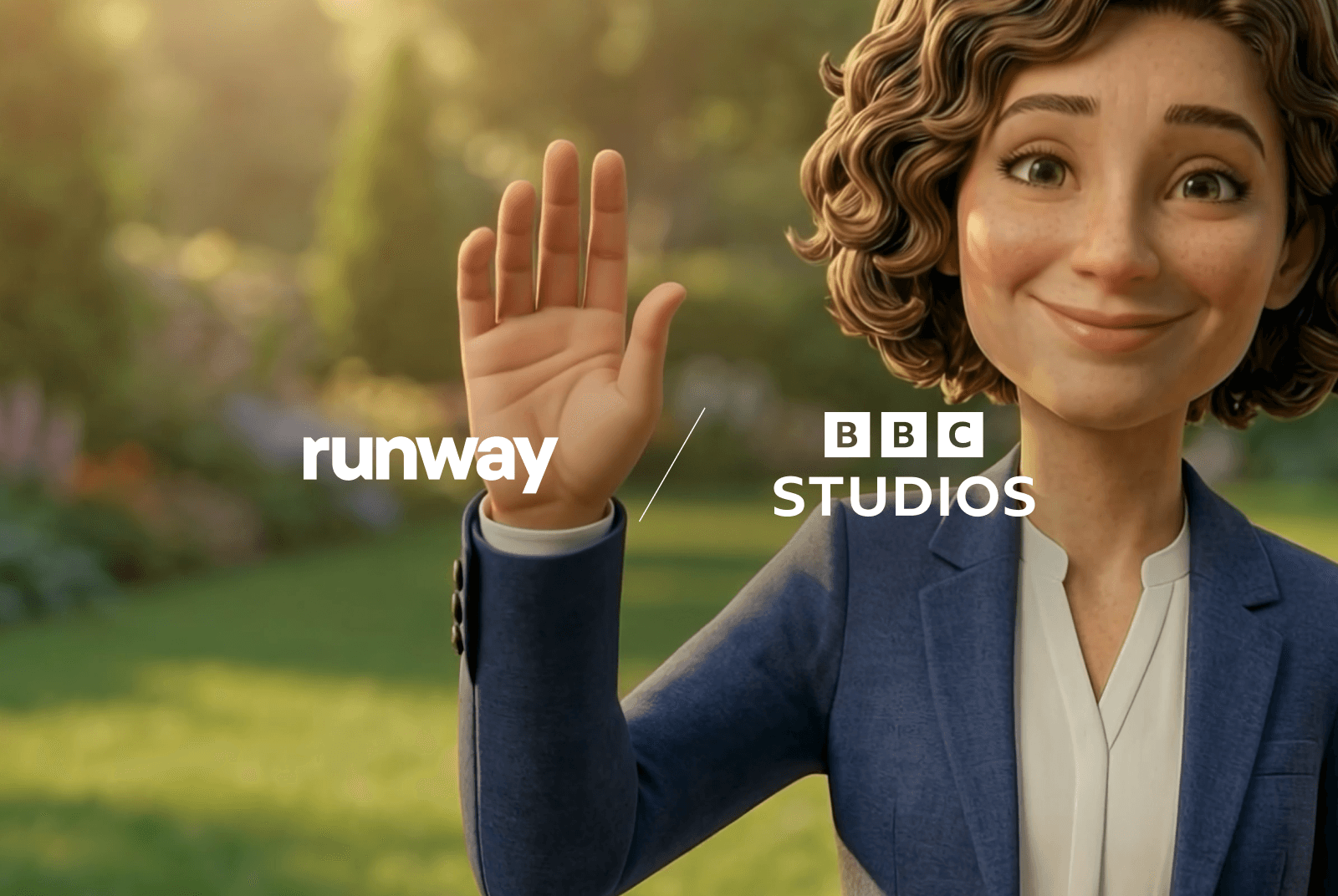
Runway News | How BBC Studios Brought a Live AI Avatar to Broadcast Television for the First Time

BBC Studios has partnered with Runway to bring a live AI avatar to broadcast television, a milestone that highlights the growing willingness of established media companies to integrate generative AI directly into their on-air output. Rather than using AI as a behind-the-scenes production aid, this project placed the technology visibly in front of audiences, raising the bar for what broadcasters are prepared to attempt with the tools now available.

The avatar was deployed live - meaning it was not pre-rendered or composited in post-production, but generated and presented in real time during broadcast. This distinction matters technically, as live generation imposes strict constraints on latency, visual stability, and consistency that pre-recorded AI content does not face. Achieving a result suitable for the scrutiny of a broadcast audience represents a meaningful threshold.

Runway, which has built its reputation around generative video and image tools aimed at creative professionals, has been expanding its footprint in professional media workflows. BBC Studios, the commercial production and distribution arm of the BBC, brings significant institutional weight to the collaboration. The fact that a public broadcaster of that scale is willing to put an AI avatar on live television signals that the technology has reached a level of reliability that organizations with strict editorial and technical standards are prepared to trust.

The longer-term implications for broadcast production are worth watching. AI avatars have been used in online video, digital news platforms, and corporate communications for some time, but live broadcast television carries different expectations around quality and authenticity. How audiences respond, and how regulators and editorial standards bodies treat AI-generated on-screen talent, will shape how quickly this kind of deployment becomes more common across the industry.

Read at Runway →
Share:X

Enjoy this story? Get the next one in your inbox.

Twice a week: the most important stories in generative image and video AI, distilled into a 2-minute read.

Free. Unsubscribe any time. No spam, ever.

Your next read

Video

Taking Trainium3 to the Track: Generating Videos with LTX-2.5

Hugging Face has published a walkthrough of running LTX-Video 2.5, a leading open video generation model, on AWS Trainium3 accelerators. The post explores how Amazon's latest AI training chip holds up against more familiar GPU-based workflows for diffusion-based video synthesis. It offers a practical look at an emerging hardware option for teams working with open-source generative video tools.

AI-Generated Characters Are Stealing Content Creators’ Viral Videos
Video

AI-Generated Characters Are Stealing Content Creators’ Viral Videos

Content creators are reporting a growing trend of their viral videos being recreated with AI-generated characters swapped in to replace them - keeping nearly everything else intact. The copies closely mimic original videos in format, pacing, and content, raising serious questions about attribution and consent. This emerging practice sits in a legal and ethical gray area that platforms have yet to meaningfully address.

David Fincher is being dragged for suspected use of AI in his latest film
Video

David Fincher is being dragged for suspected use of AI in his latest film

David Fincher's upcoming Netflix film, The Further Mis-Adventures of Cliff Booth, is facing scrutiny after early screenings left some viewers questioning whether generative AI was used in its production. Critics and moviegoers have pointed to visual inconsistencies that feel out of place for a director known for meticulous, technically precise filmmaking. The film, a sequel to Quentin Tarantino's Once Upon a Time in Hollywood starring Brad Pitt, is set to premiere on November 25th.