gen‑ai.news
← Back
Video

Runway News | Inside Salomon’s Latest Global Brand Campaign, Built on Runway
Runway News | Inside Salomon’s Latest Global Brand Campaign, Built on Runway

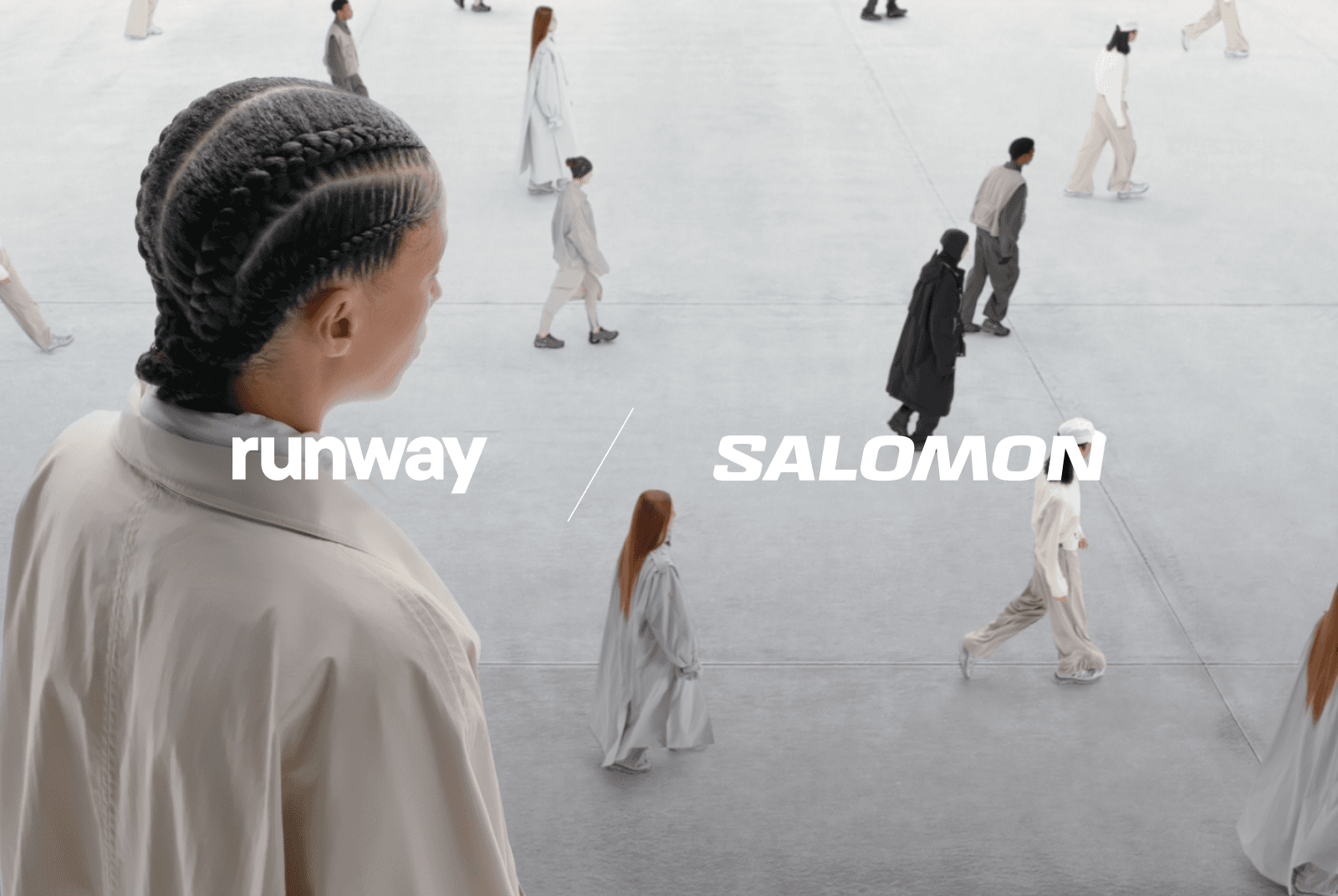
Salomon, the French outdoor and sports equipment brand best known for its ski gear and trail running products, used Runway's generative AI platform as part of the production pipeline for its latest global brand campaign. The partnership, highlighted by Runway on its news channel, provides a concrete example of how generative AI is moving from experimental side projects into the core of commercial creative work.

Details from the collaboration suggest that Runway's tools were used to produce or augment visual assets at scale - something that would traditionally require extensive location shoots, large crews, and long post-production timelines. For a global campaign spanning multiple markets and formats, the ability to generate or modify footage and imagery programmatically can reduce both time and cost while expanding the range of visual possibilities available to a creative team.

Salomon's use of Runway fits into a broader pattern among consumer brands that are quietly integrating generative AI into their marketing workflows. Rather than replacing creative direction, these tools tend to function as a production layer - handling iteration, background generation, scene extension, or stylistic consistency across a large volume of assets. The result is a workflow that can keep pace with the demands of modern multi-platform campaigns without a proportional increase in production resources.

Runway has been building out its platform with features oriented toward professional and enterprise use, including tools for video generation, image-to-video conversion, and custom model training. Salomon's campaign represents the kind of real-world, high-visibility deployment that helps establish what generative AI production looks like in practice for brands operating at a global scale. As more campaigns like this surface, they are likely to shape expectations around what AI-assisted production can and should deliver in a commercial context.

Read at Runway →
Share:X

Also covered by

Enjoy this story? Get the next one in your inbox.

Twice a week: the most important stories in generative image and video AI, distilled into a 2-minute read.

Free. Unsubscribe any time. No spam, ever.

Your next read

Video

Taking Trainium3 to the Track: Generating Videos with LTX-2.5

Hugging Face has published a walkthrough of running LTX-Video 2.5, a leading open video generation model, on AWS Trainium3 accelerators. The post explores how Amazon's latest AI training chip holds up against more familiar GPU-based workflows for diffusion-based video synthesis. It offers a practical look at an emerging hardware option for teams working with open-source generative video tools.

AI-Generated Characters Are Stealing Content Creators’ Viral Videos
Video

AI-Generated Characters Are Stealing Content Creators’ Viral Videos

Content creators are reporting a growing trend of their viral videos being recreated with AI-generated characters swapped in to replace them - keeping nearly everything else intact. The copies closely mimic original videos in format, pacing, and content, raising serious questions about attribution and consent. This emerging practice sits in a legal and ethical gray area that platforms have yet to meaningfully address.

David Fincher is being dragged for suspected use of AI in his latest film
Video

David Fincher is being dragged for suspected use of AI in his latest film

David Fincher's upcoming Netflix film, The Further Mis-Adventures of Cliff Booth, is facing scrutiny after early screenings left some viewers questioning whether generative AI was used in its production. Critics and moviegoers have pointed to visual inconsistencies that feel out of place for a director known for meticulous, technically precise filmmaking. The film, a sequel to Quentin Tarantino's Once Upon a Time in Hollywood starring Brad Pitt, is set to premiere on November 25th.