
Snapchat is cracking down on AI slop in Spotlight
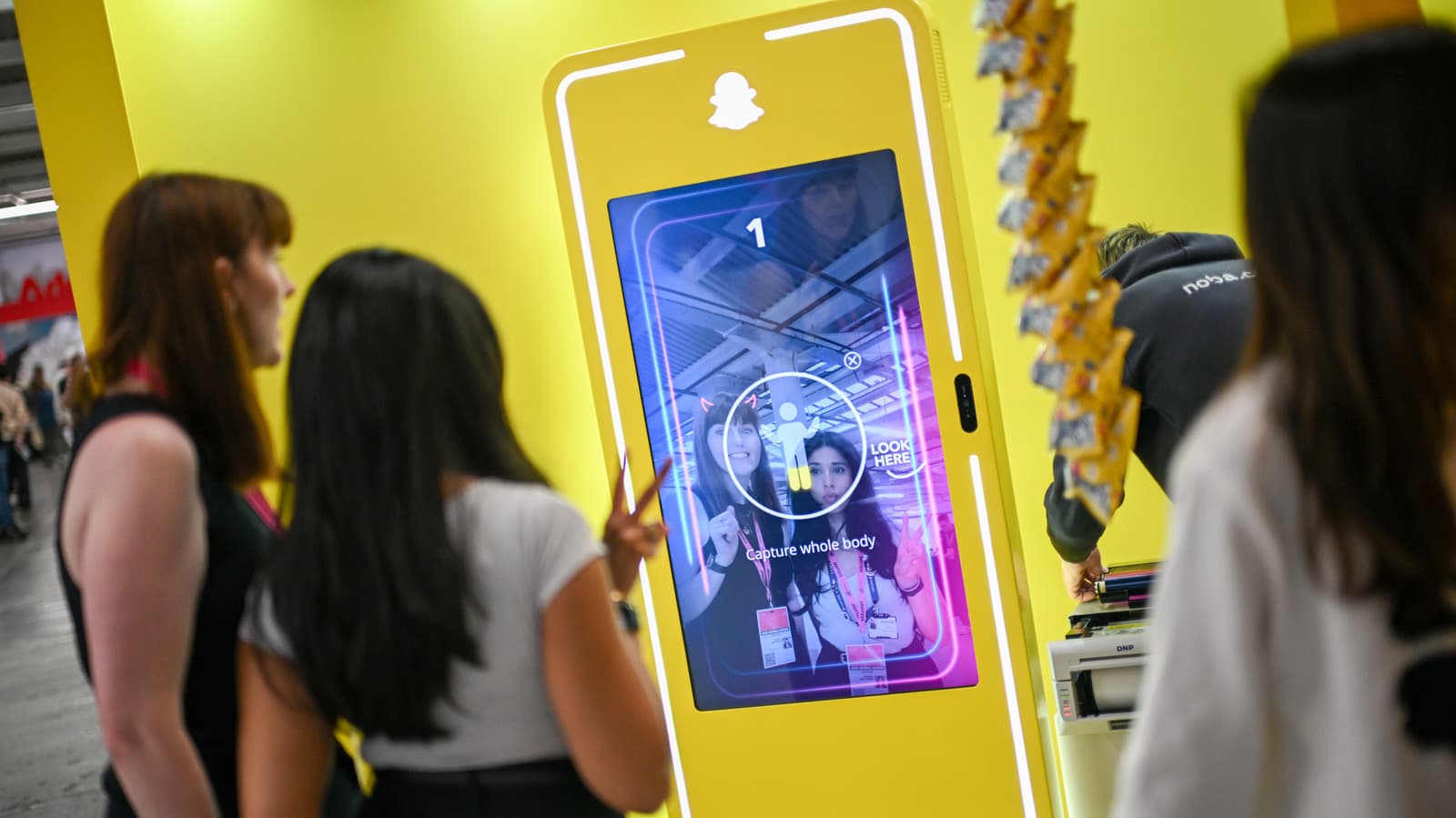
Snapchat has announced that AI-generated videos will no longer appear in Spotlight, the app's public feed designed to surface content to users beyond their existing social graph. The policy applies to recommendations - meaning creators can still upload AI-made videos, but those clips will only be visible to their existing followers rather than being pushed to a broader audience.
The move is a response to the growing volume of low-quality, AI-generated content that has flooded short-video platforms over the past couple of years. Often produced in bulk using text-to-video or image-animation tools, this material tends to lack the personal or creative substance that keeps users engaged, and platforms have found it difficult to filter out through purely automated means. Snapchat's approach is blunt by design - rather than trying to detect and score quality on a case-by-case basis, it removes the distribution incentive for AI video content altogether.
Spotlight has been a key part of Snapchat's effort to compete with TikTok and Instagram Reels, offering a discovery surface where content from unfamiliar creators can find large audiences. Keeping that feed credible and engaging is important to retaining users who might otherwise migrate to competing apps. By restricting AI-generated video from recommendations, Snap is betting that human-made content - even if less polished - holds more appeal for the average viewer browsing outside their friend group.
It is worth noting that the policy raises practical questions about enforcement. Detecting AI-generated video at scale remains an unsolved problem, and disclosure typically relies on creators self-reporting. Snap has not detailed what detection methods, if any, will back up the policy, or what consequences creators face for failing to label synthetic content. How aggressively the rule is enforced will likely determine whether it meaningfully changes what users see in Spotlight, or remains largely symbolic.
