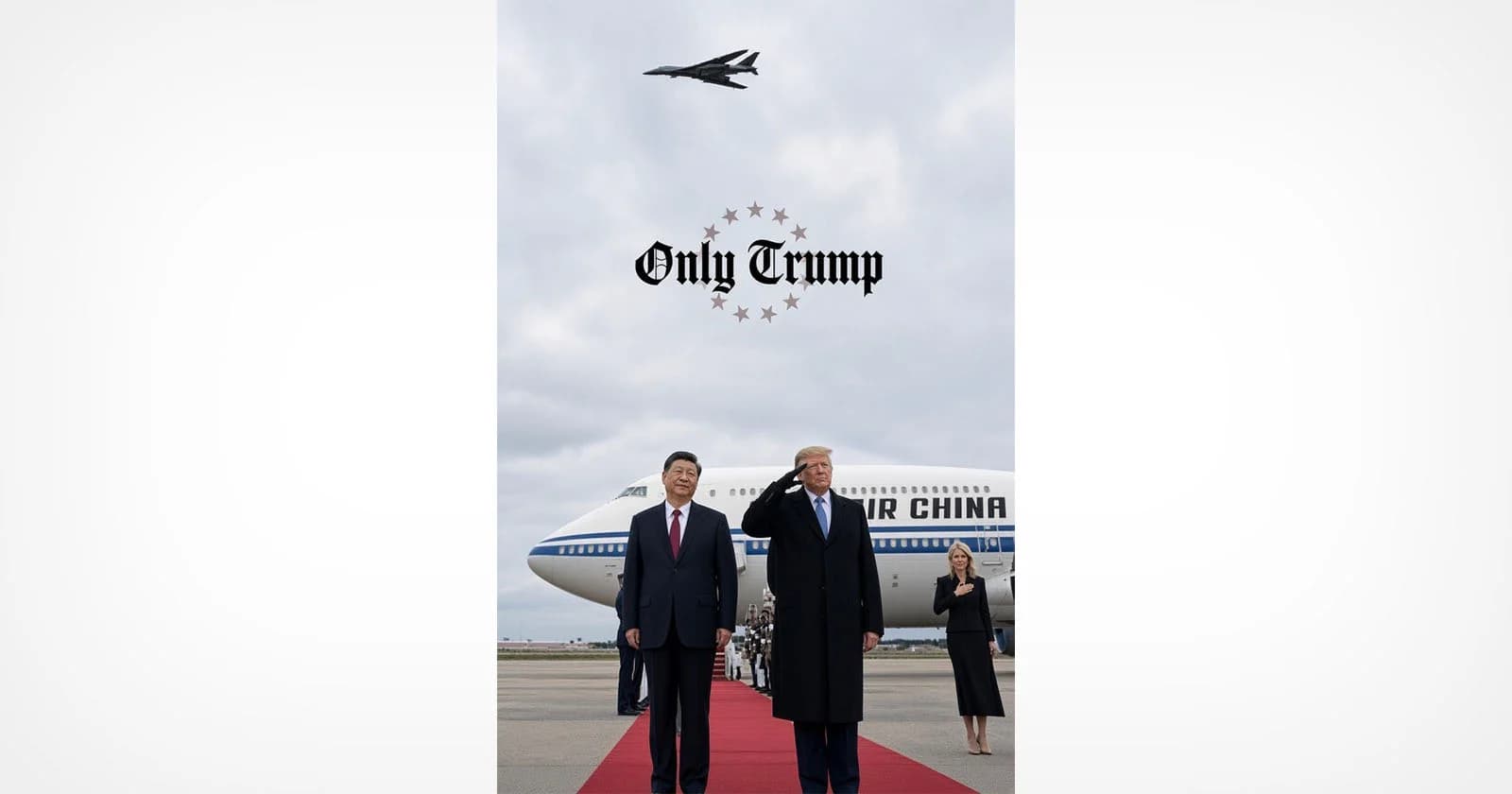
Soderbergh Used AI-Generated Images Throughout Lennon Documentary
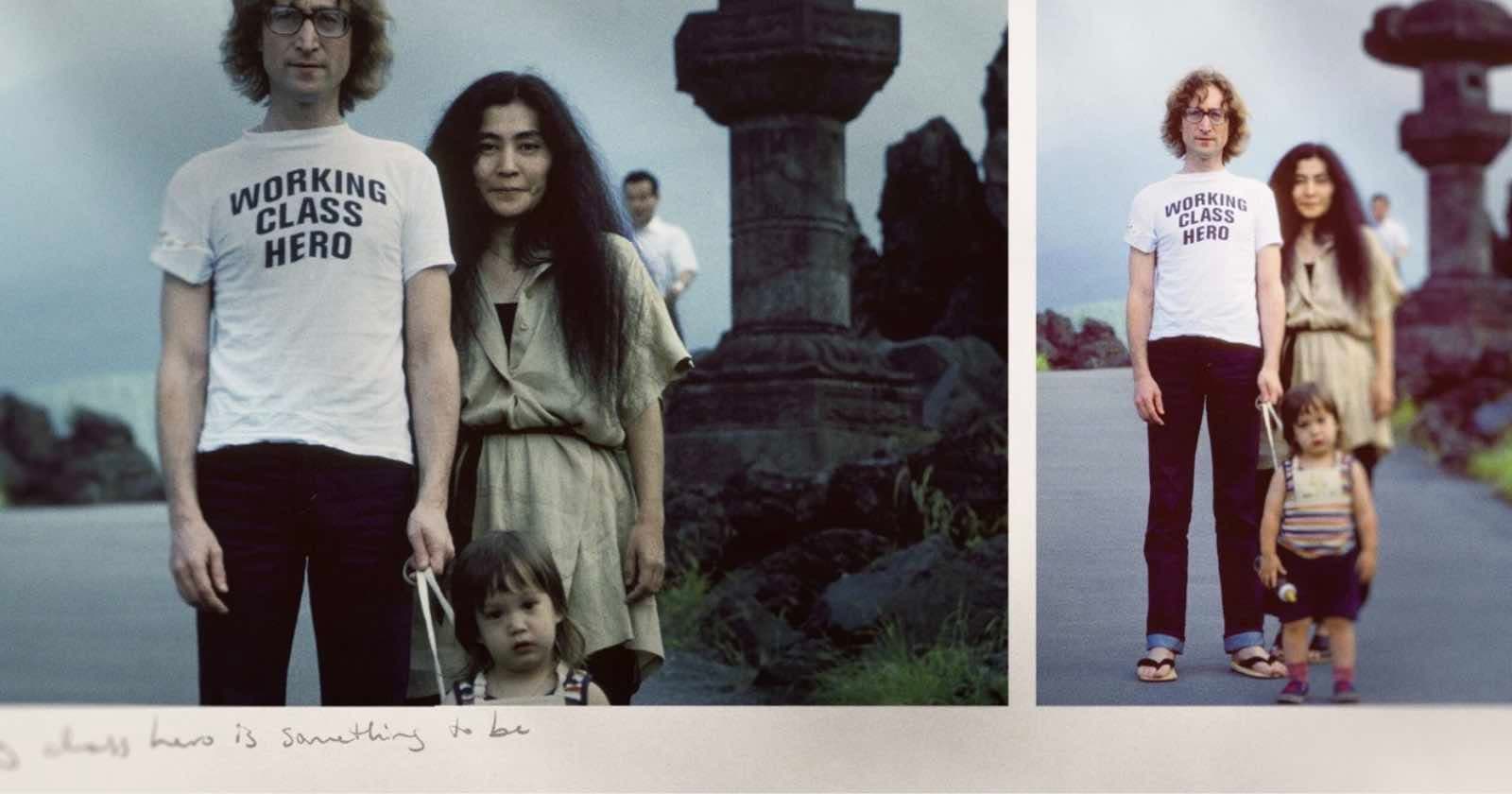
Steven Soderbergh has confirmed that his documentary 'John Lennon: The Last Interview' makes deliberate use of AI-generated imagery, making it one of the more visible cases of an established, widely recognized filmmaker choosing to incorporate generative visuals into a non-fiction film. Soderbergh addressed his decision publicly, which adds a concrete and credible reference point to what has largely been a theoretical debate about whether and how AI tools belong in documentary work.
The film centers on Lennon's final recorded interview, conducted by RKO Radio journalist Dave Sholin on December 8, 1980, hours before Lennon was killed. Because the historical record for that period is naturally limited in terms of visual material, the production faced a common documentary challenge: how to illustrate a story when archival footage and photographs can only go so far. AI-generated imagery appears to have served as one solution to that gap, providing visual texture for moments or contexts that no camera captured at the time.
Soderbergh's reasoning, as he has discussed it, reflects a practical rather than ideological stance. Rather than treating generative tools as a statement about the future of filmmaking, he seems to have approached them as one option among several for solving a specific production problem. That framing is notable because it sidesteps the more charged arguments about authenticity in documentary film and instead treats AI imagery the way an earlier generation of filmmakers might have treated dramatic reconstruction or archival illustration.
The use does, however, raise questions that the documentary field has not fully worked through. Non-fiction filmmaking carries an implicit contract with audiences about the relationship between images and reality, and generative visuals - which can look photographic without depicting anything that happened - complicate that contract in ways that stylized animation or obvious reconstruction typically do not. Whether and how filmmakers disclose AI-generated content, and how viewers are expected to interpret it, remains unsettled.
Soderbergh's profile gives the conversation some weight it has previously lacked. Debates about AI in documentary have often centered on lower-budget or experimental work, where the stakes feel more abstract. A filmmaker with his track record choosing these tools openly, and discussing that choice, pushes the question into more mainstream territory and may prompt broadcasters, festivals, and industry guilds to think more concretely about disclosure standards and editorial guidelines.