What 3 creatives built with unlimited access to Google Flow
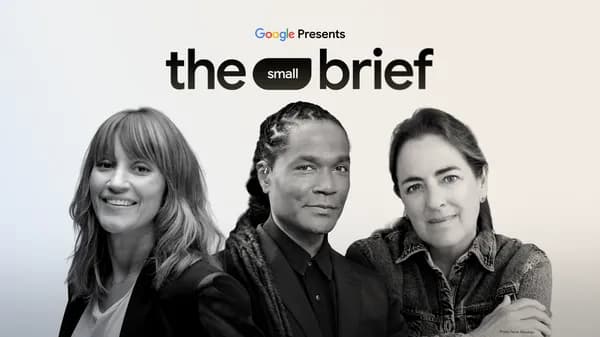
Google Flow is the company's AI creative studio, designed to help users generate and iterate on visual content for advertising and marketing purposes. Rather than showcase the tool through controlled demos, Google took a different approach - handing access to three working creatives and asking them to develop genuine campaigns for local businesses, with minimal constraints on how they used the platform.
The exercise is notable because local business campaigns tend to operate under tight budgets and fast turnarounds, conditions that are quite different from the polished environments in which AI tools are often introduced. By placing Flow in that context, the experiment surfaces more practical questions: how much creative control does the tool actually offer, how well does it handle brand-specific constraints, and where does human judgment still need to step in.
Each creative came to the project with a different background and set of expectations, which makes the comparison useful. Across the three campaigns, the work spans different business types and visual styles, giving a broader sense of Flow's range - and its limits. The outputs reflect both what the AI handles with relative ease, such as generating varied visual concepts quickly, and where the creatives had to guide, correct, or supplement what the model produced.
For those following the development of AI tools in advertising and content production, this kind of applied case study carries more signal than benchmark comparisons. It shows how Flow fits - or doesn't fit - into an existing creative workflow, and what skill set a user needs to get usable results. As more studios and independent creatives weigh whether to incorporate generative tools into client work, accounts like these help set more grounded expectations about what the technology can and cannot yet replace.