With Dazzle, Marissa Mayer bets your camera roll has more info on your life than your inbox
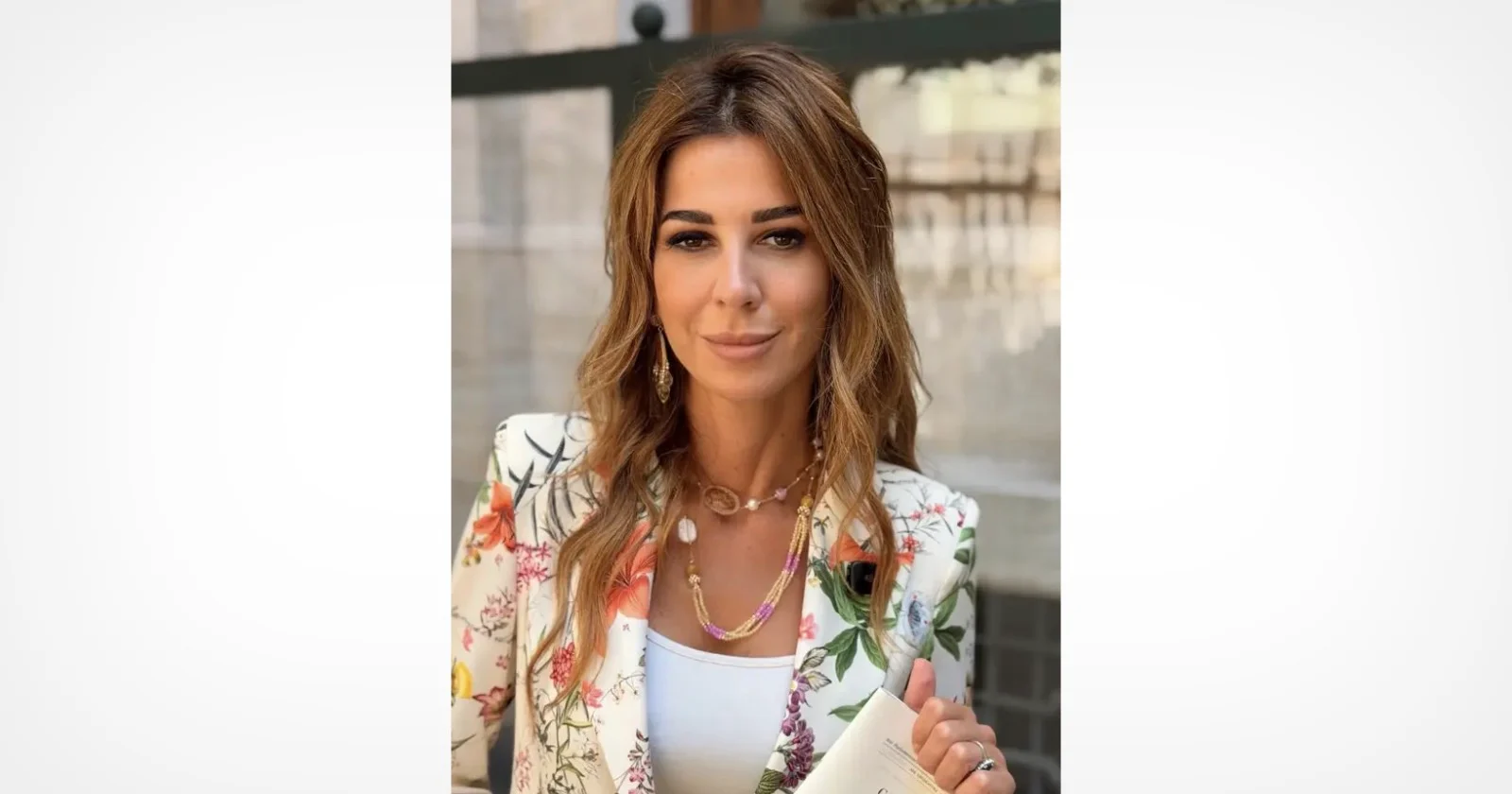
Marissa Mayer is back in the consumer tech spotlight with Dazzle, a new AI personal assistant built around a simple but pointed premise: your photo library knows more about your life than your email does. Where most AI assistants have leaned on inboxes, calendars, and documents as their primary data sources, Dazzle takes a different approach - treating the camera roll as the central repository of a person's experiences, relationships, and habits.
The logic behind the choice is intuitive enough. Photos capture meals, travel, receipts, whiteboards, handwritten notes, faces, and places in a way that structured data rarely does. A generative AI model trained to parse that kind of visual input can, in theory, build a surprisingly detailed and personal picture of someone's day-to-day life - without relying on the user to manually log anything.
Mayer, who led Yahoo from 2012 to 2017 and has been relatively quiet in the years since, is positioning Dazzle as a product that gets smarter the more photos a person has accumulated. That framing puts long-time smartphone users at an advantage, since years of camera roll history would give the model more material to work with. It also raises the obvious questions around privacy and data handling that any product of this kind will need to answer clearly - granting an AI system access to a lifetime of personal photos is a significant ask of any user.
The broader context here is a crowded but still-evolving market for AI personal assistants. Large players like Apple, Google, and Microsoft have been steadily integrating generative AI into their own photo and productivity tools, which means Dazzle enters a space where the competition has both more resources and existing user trust. Whether a photo-first approach is enough of a differentiator - and whether users will extend the necessary privacy permissions - will likely determine how much traction the product finds.