xAI Sues Photographer, Blaming Him for Sexual Images Created With Grok
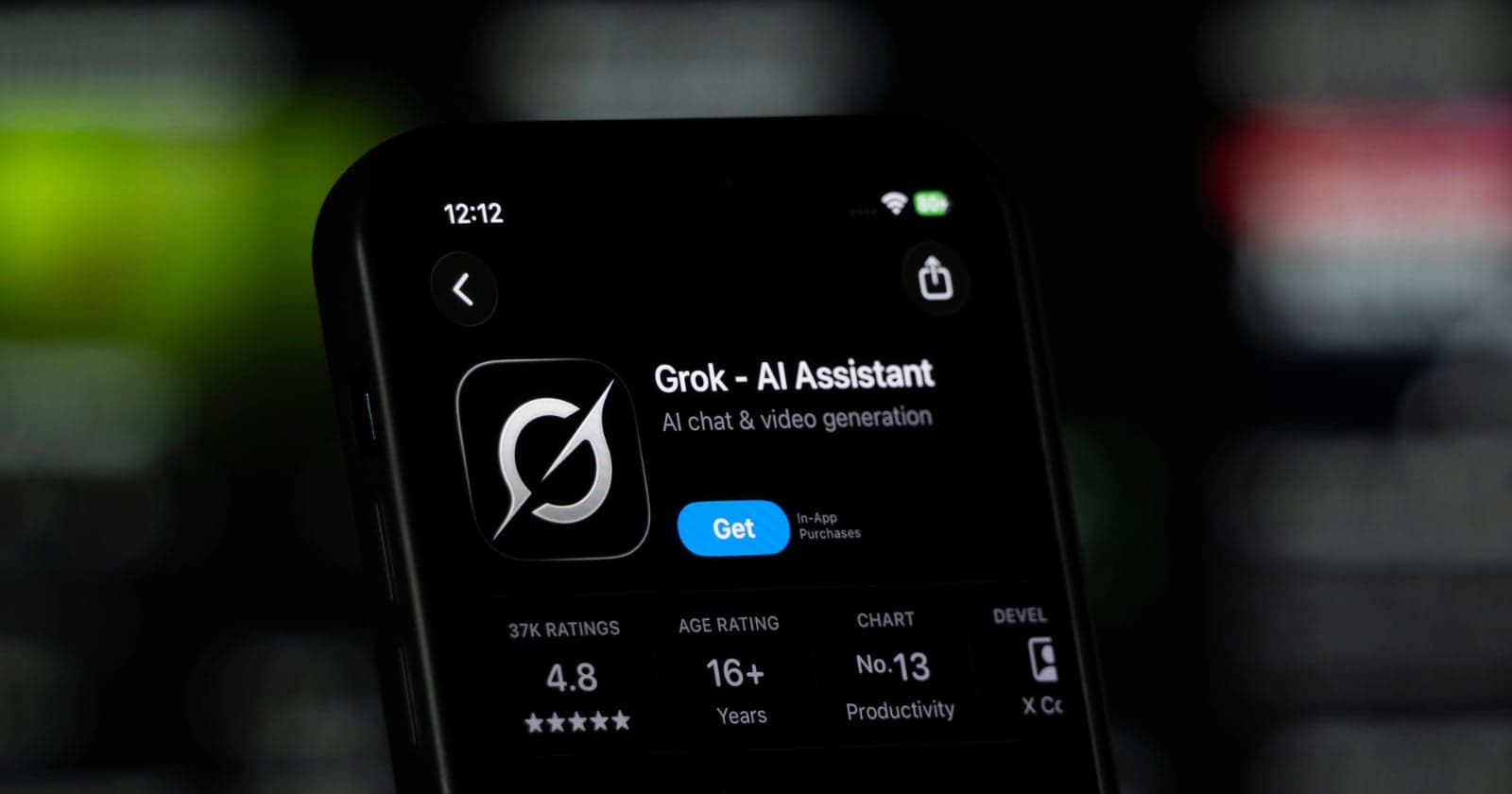
Elon Musk's AI company xAI has taken the unusual step of suing one of its own users - an Arkansas photographer accused of using the Grok image generation platform to produce sexually explicit material involving minors. The lawsuit argues that the photographer, who had access to photographs of minor clients through his professional work, bears full legal responsibility for the content he allegedly prompted the system to create.
The legal strategy xAI is pursuing is notable: rather than a platform quietly banning a user or cooperating silently with law enforcement, the company is going on the offensive in civil court. By filing suit, xAI is making an explicit public argument that the human operator of an AI tool - not the tool's maker - is the liable party when that tool is used to produce illegal material. This framing has broader implications for how AI companies may choose to respond to misuse cases going forward.
The case touches on one of the more difficult ongoing debates in generative AI: where responsibility sits when a model produces harmful content. AI image generators have faced sustained criticism for their potential to be misused for the creation of non-consensual or child sexual abuse material (CSAM). Companies including Stability AI, Midjourney, and others have implemented filters and usage policies intended to block such outputs, though the effectiveness of those safeguards varies and determined users have found ways around them. How well Grok's own guardrails performed in this instance is likely to be a point of scrutiny as the case develops.
For photographers and other professionals who work with images of minors, the case serves as a stark illustration of how generative AI tools can be weaponized using material obtained in trusted contexts. For the broader AI industry, the lawsuit may signal an emerging approach - preemptive litigation against bad actors - as companies seek to protect themselves from reputational and regulatory exposure tied to platform misuse. The outcome could influence how courts weigh user conduct against platform design in future AI-related harm cases.