A Portrait Photographer Puts 6 Common AI Retouching Myths to the Test
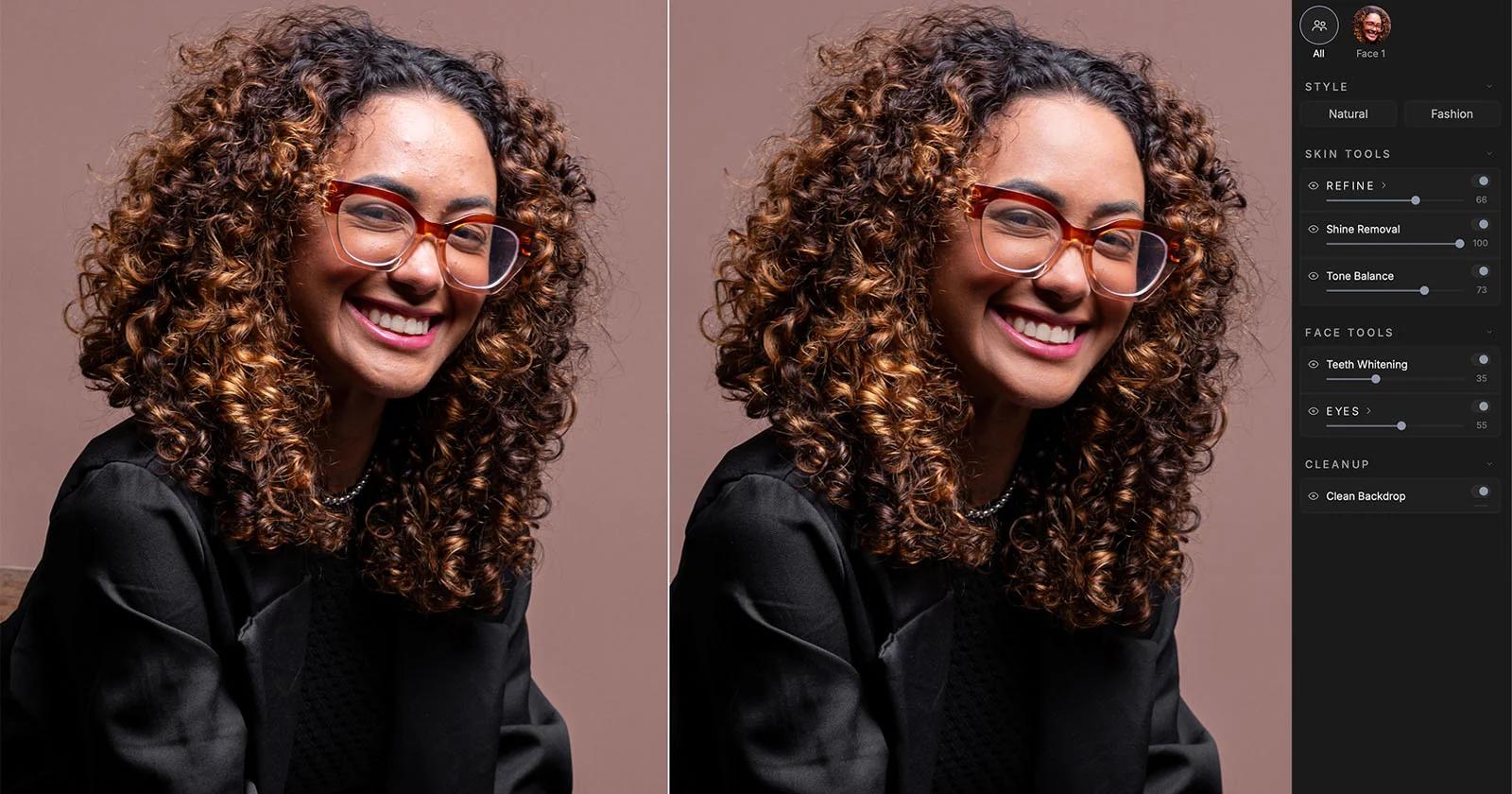
AI retouching has become a standard feature in tools like Lightroom, Capture One, and a growing number of standalone apps, yet many professional photographers remain cautious about folding it into their actual client workflows. The reservations are understandable - early versions of these tools had a reputation for over-processing skin, flattening texture, and producing results that looked more like digital illustration than photography. PetaPixel worked with Joe Fraga, a portrait photographer based in Salvador, Brazil, to find out how many of those criticisms still apply today.
Fraga tested six myths that circulate regularly in photography communities - claims such as AI retouching always looks plastic, that it cannot handle diverse skin tones accurately, or that it removes too much detail from areas like hair and eyes. By running the tools against actual portraits from his client sessions rather than controlled test images, the exercise reflects conditions closer to real professional use, where lighting, skin variation, and subject movement are all factors.
The findings land somewhere between reassurance and caution. Some older criticisms have lost their edge as the underlying models have been trained on broader datasets and given more nuanced controls. Skin texture preservation, for example, has improved noticeably in recent generations of AI retouching. Other concerns - particularly around consistent performance across a range of skin tones - remain valid enough that photographers working with diverse subjects would still be wise to review results carefully rather than apply corrections in bulk.
For photographers weighing whether to introduce AI retouching into their process, the practical takeaway is that the tools are more capable than their reputation in some areas and still uneven in others. The gap between a quick automated pass and a careful manual retouch has narrowed, but it has not closed. Fraga's approach - treating the AI output as a starting point rather than a finished result - reflects how most experienced retouchers currently describe their own use of these features.