LeBron James Sues Sports-Betting App for Using AI-Generated Images of Him
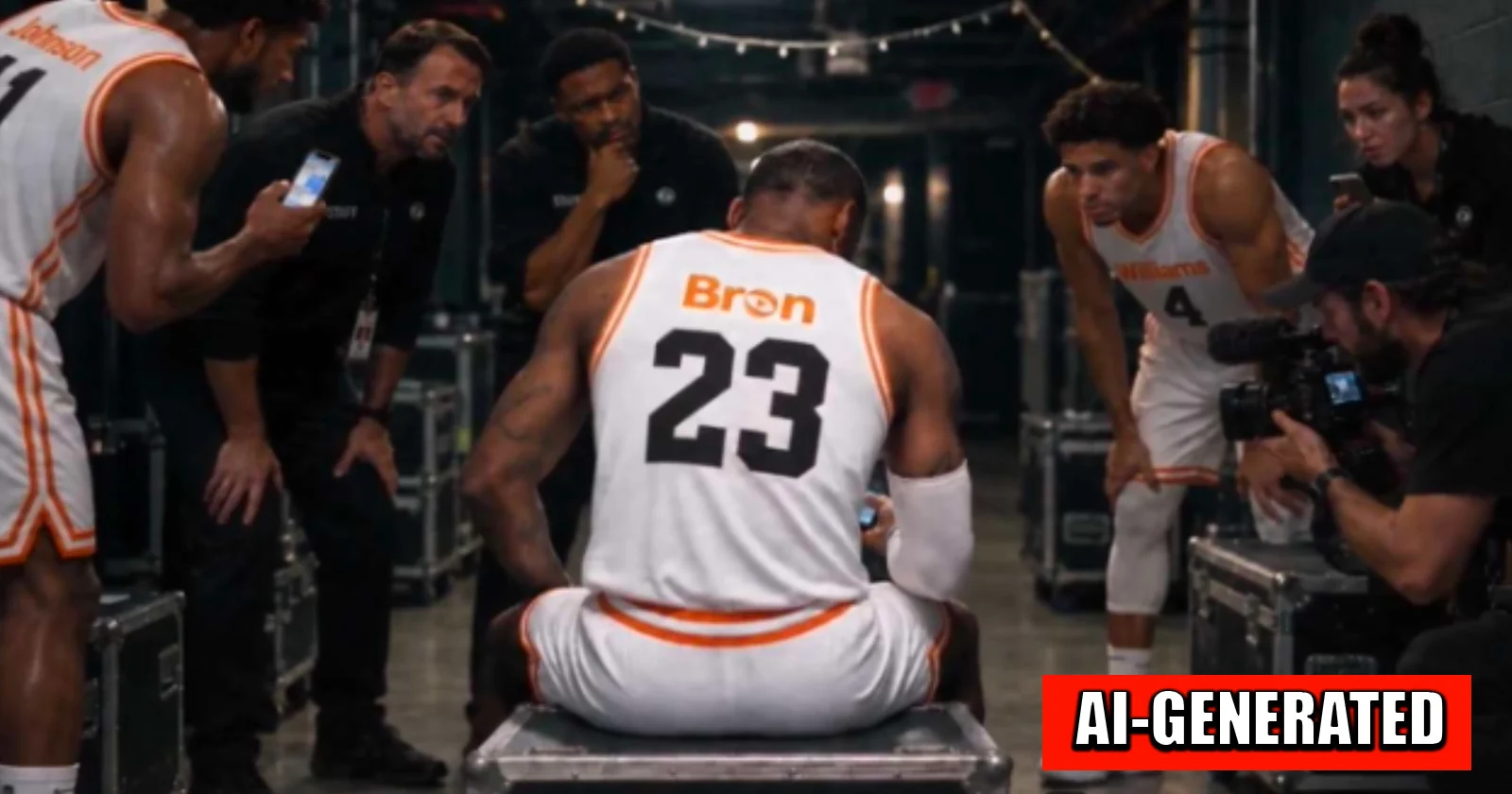
LeBron James has filed a lawsuit against the developers of an AI-driven sports-betting application, claiming the company used AI-generated images depicting him in its marketing materials without obtaining his permission. The suit targets a form of AI misuse that has become increasingly common as image generation tools grow more capable of producing convincing likenesses of real, recognizable individuals.
At the core of the case is the question of personality rights - the legal protections that give individuals, particularly public figures, control over how their name, face, and likeness are used for commercial gain. While James is a public figure, that status does not grant companies the right to imply his endorsement or association with a product, especially when the depiction is fabricated using generative AI rather than sourced from actual footage or photography.
The lawsuit is notable in the broader context of generative image AI, where the barrier to producing photorealistic images of real people has dropped significantly. Tools capable of generating convincing portraits or action shots of celebrities are now widely accessible, and their commercial misuse - particularly in advertising and app marketing - has outpaced the legal frameworks designed to address it. Cases like this one are helping to establish precedents that courts and legislators will likely rely on in the years ahead.
For the AI industry, the outcome of suits like this carries real weight. If companies deploying generative image tools for marketing are found liable when those tools produce unauthorized likenesses, it creates a clearer deterrent and may push developers to build stronger safeguards against generating images of identifiable real people. James's legal team will likely argue that the harm is both reputational and financial - unauthorized association with a gambling product being a specific concern for athletes whose public image is carefully managed.