AI-Edited Photos Can Lead People to Form False Memories
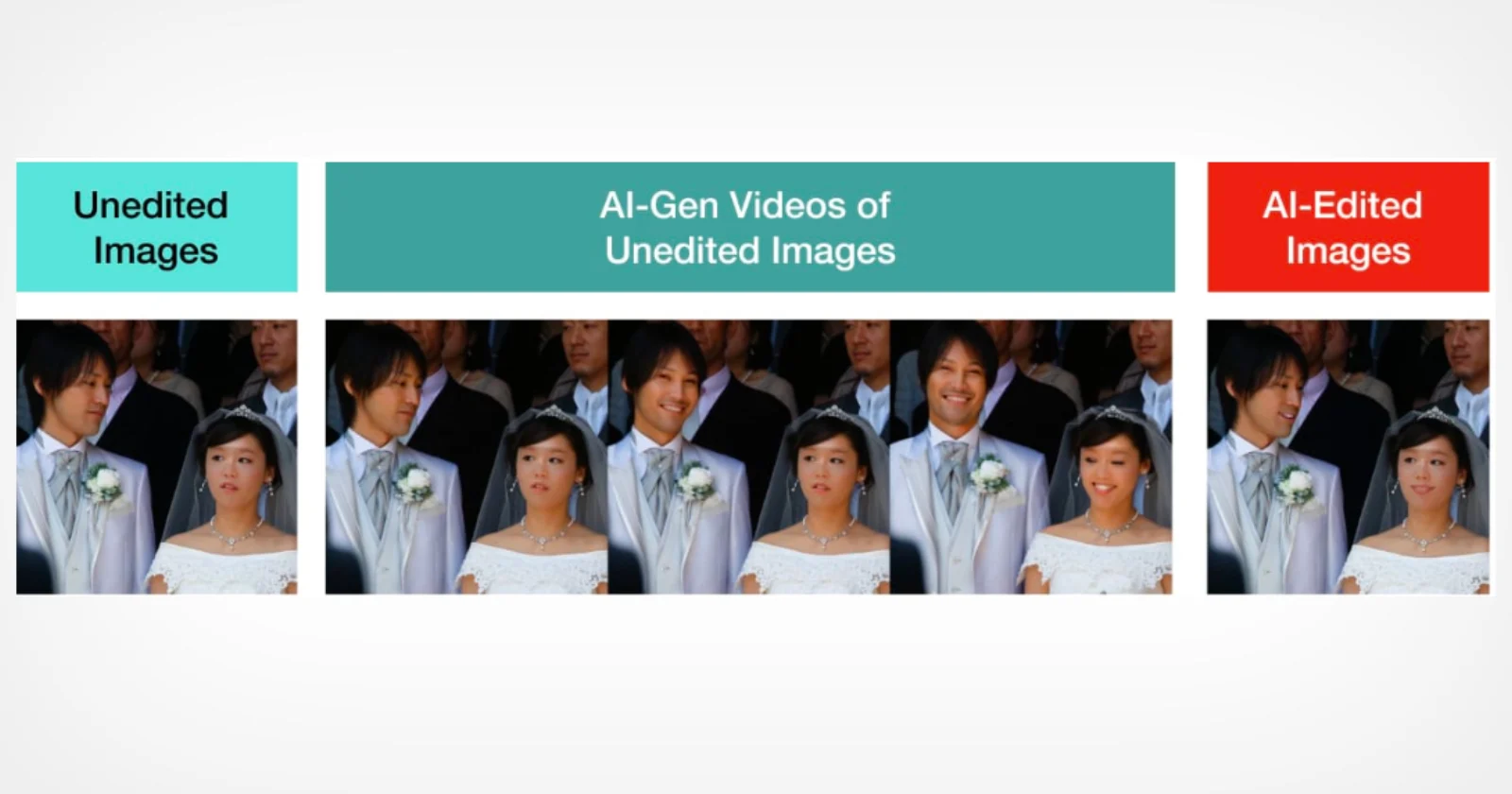
A growing body of research is examining how AI-altered imagery affects human memory, and a newly highlighted study adds a troubling data point: people who view AI-edited photographs or videos not only tend to form inaccurate memories of the events depicted, but also report higher confidence in those false recollections. The combination of distorted memory and increased certainty is considered particularly concerning by researchers studying misinformation.
The mechanism at play connects to well-established psychology around the "misinformation effect," a phenomenon in which post-event information - such as a misleading news photograph - can alter a person's memory of what they originally witnessed or experienced. What makes AI editing a distinct variable is the degree of visual realism it can introduce. Unlike obvious composites or crude alterations, AI-touched images can seamlessly change details of a scene in ways that are hard to detect, giving the altered version an air of authenticity that appears to reinforce its staying power in memory.
The implications reach beyond individual viewers. In legal, political, and journalistic contexts, eyewitness accounts and public perception of events can carry real weight. If AI-edited imagery can systematically shift what people believe they saw - and make them resistant to correction because of their elevated confidence - that represents a meaningful challenge for fact-checkers, courts, and anyone attempting to establish a shared factual record. Social media platforms, where manipulated imagery spreads rapidly and often without clear labeling, are a natural focal point for concern.
This research arrives as AI image and video editing tools have become widely accessible to non-specialists. Applications that can alter facial expressions, change backgrounds, remove or add objects, or even reconstruct entire scenes are now available at low or no cost. Provenance standards like C2PA content credentials are being developed to help establish the authenticity of digital media, but adoption remains uneven and consumer awareness of such tools is still limited. Studies like this one underscore why that gap matters at a human cognitive level, not just a technical one.